Our Green Classroom: Nature-Based Learning in Talaghattapura
At Hastam, learning is not confined to four walls. Our terrace garden and green spaces serve as a living laboratory where curiosity leads the way.
Our campus is full of small wonders. We were lucky to host a family of sunbirds who built their intricate nest right outside our window. It was a beautiful, real time lesson in nature, patience, and the cycle of life for the children.
We found this tiny snail on a leaf in our garden. The children gathered around with a magnifying glass to observe its delicate shell and slow movement. These small, spontaneous moments spark so much curiosity and respect for all living things.
A small spider found a home among the flowers on our campus. As Maria Montessori said, "A child, more than anyone else, is a spontaneous observer of nature." I simply provide the environment for these observations to happen.
The view of our garden during the monsoon season. The rain brings everything to life, creating a lush, green sanctuary for the children to explore and connect with the rhythms of nature.
Our garden is a living, breathing part of our school. I believe that just as every child is a different kind of flower, together they make this world a beautiful garden.
A small harvest of green peppers from our terrace garden. The children get to see the entire process, from planting a seed to harvesting the vegetable, which gives them a real connection to their food.
Fresh, ripe tomatoes picked straight from the vine in our garden. Involving children in gardening and harvesting teaches them patience and where their food comes from.
These vibrant purple beans were another exciting find during our little harvest. The unique color and shape sparked a lot of conversation and curiosity among the children.
About A Classroom Without Walls: Nature & Discovery
Here, the curriculum changes with the seasons. When the monsoon brings new life or a spider weaves a web, the day's planned activity takes a backseat to spontaneous discovery. We do not just teach biology from books; children harvest vegetables they planted themselves, learning the patience of the seed cycle firsthand.
In the Montessori philosophy, nature is not a backdrop—it is a teacher. On our 5500 sqft campus at Kanakapura Road, we intentionally blur the lines between indoors and outdoors. If a child finds a snail on a leaf, we pause. We bring out the magnifying glasses, observe the delicate shell, and talk about its movement. This is where scientific inquiry begins.
Many schools treat gardening as a weekly session, but here, it is embedded in daily life. From the moment children sow a seed in our terrace garden to the day they harvest those green peppers or tomatoes, they are participating in a real, tangible cycle. This hands-on process builds patience—a trait often missing in today's instant-gratification culture.
Our environment is designed to be a sanctuary. When the rains come, the children witness the lush transformation of the garden. When sunbirds build nests near our windows, we turn down the volume of the world so they can watch quietly. We have witnessed how these moments ground a child, reducing the rush of modern city life and replacing it with focused attention. Whether it is identifying insects or understanding the life cycle of plants, our nature-based approach nurtures a deep, intrinsic respect for the living world.
Similar work from other experts
Browse through Curated picks from other experts on mytribe
Learning Beyond the Classroom Walls: Nature-Based Montessori
Nature-Based Learning at Kinfolk Montessori
 15
15
Learning in Nature's Classroom
Nature, Gardening & Outdoor Exploration
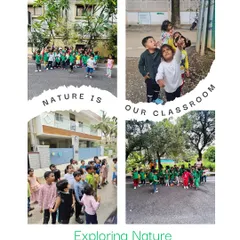
Hands-On Science and Nature Discovery for Kids
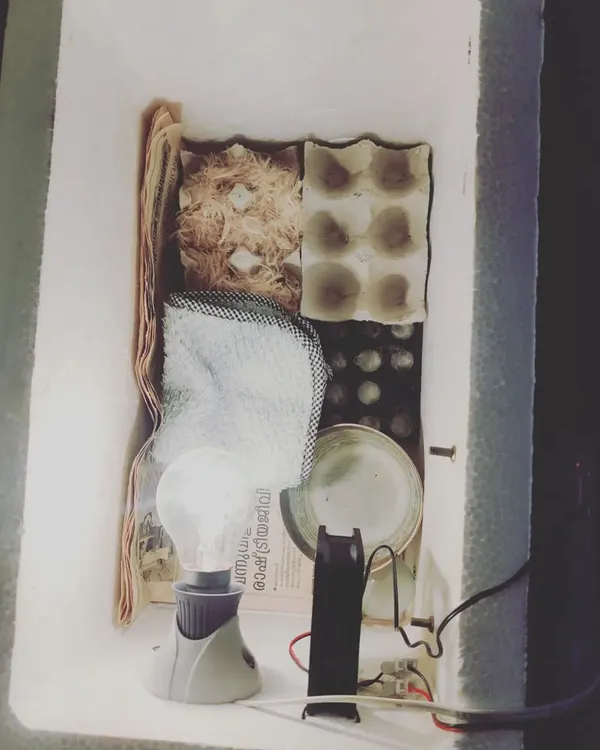 71
71
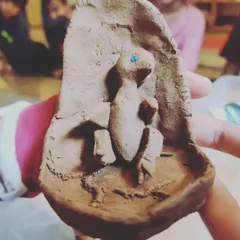
Hands-On Science and Nature Study
More from Montessori-Inspired Summer Camp by Hastam Montessori
More services by Hastam Montessori