The Magic and Mess of Finishing Your Pottery
Pottery is rarely just about what happens on the wheel. It is the long, quiet process after the shaping that defines a piece. Come learn the patience behind the beauty.
Glazing is a multi-step process of applying layers of color that will transform in the kiln. This fast-forward video shows the patient work of painting, drying, and adding more layers to a pierced lamp.
Welcome to the not-so-fun, but very important, side of pottery: cleaning the bottoms of glazed pieces. Every piece must be wiped clean to prevent it from sticking to the kiln shelf during firing.
The "mazdoor life" of a studio potter. This is the process of sanding the bottom of a finished piece to make it smooth. It's the final touch that makes a handmade item feel professional.
Nothing goes to waste in the studio. This is the vicious but vital circle of clay recycling, where we reclaim all our scraps and dried pieces to make them workable again. It's a messy but sustainable practice.
The kiln is always full of surprises. Sometimes pieces come out with unexpected cracks or glaze runs. In this video, I'm unboxing some new bowls and learning to embrace the quirks and imperfections.
Heartbreak is when a piece you've poured your heart into cracks. I tried the Mishima inlay technique for the first time on two plates, and one didn't survive. It's a reminder that we can't fix everything, and that's okay.
About The Magic & Mess of Finishing
When you join my workshops, you will learn why I spend hours sanding the bottoms of every bowl and carefully wiping away glaze to ensure nothing sticks to the kiln shelf. These are not just chores. They are necessary steps that teach you that in ceramics, patience is just as important as creativity. Every tiny detail, from how you hold your brush during underglazing to how you stack your work, determines whether your piece survives the heat or cracks under pressure.
The final stage of pottery is where the real 'mazdoor life' happens. It is the unglamorous, dust-filled, and utterly vital work that turns a lump of clay into a piece of art.
The Lifecycle of a Piece
Whether you are learning hand-building or wheel throwing, the process doesn't end when you create the shape. We dive into the science and art of the finish:
- The Glazing Ritual: Applying layers of color is like painting, but you have to imagine how the heat will change it. It is a slow, meditative process.
- The Cleaning Phase: We talk about why we must wipe the bottom of every piece. If you skip this, your work will fuse to the kiln shelf, and trust me, the 'kiln god' is not forgiving.
- The Firing Surprise: This is the most nerve-wracking part. Opening the kiln is always a gamble. You might find a perfectly finished vase or a cracked plate.
I believe in embracing the flaws. When I tried the Mishima inlay technique for the first time, one plate cracked, and the other survived. It was heartbreaking, but it reminded me that everything cannot be fixed, and that is okay.
My studio is not a factory. We don't chase mass-produced perfection. We recycle clay, we accept the wobbles, and we learn from the cracks. If you are looking for a place to slow down, get your hands messy, and actually understand how a ceramic piece is born from start to finish, you will feel right at home here.
Similar work from other experts
Browse through Curated picks from other experts on mytribe
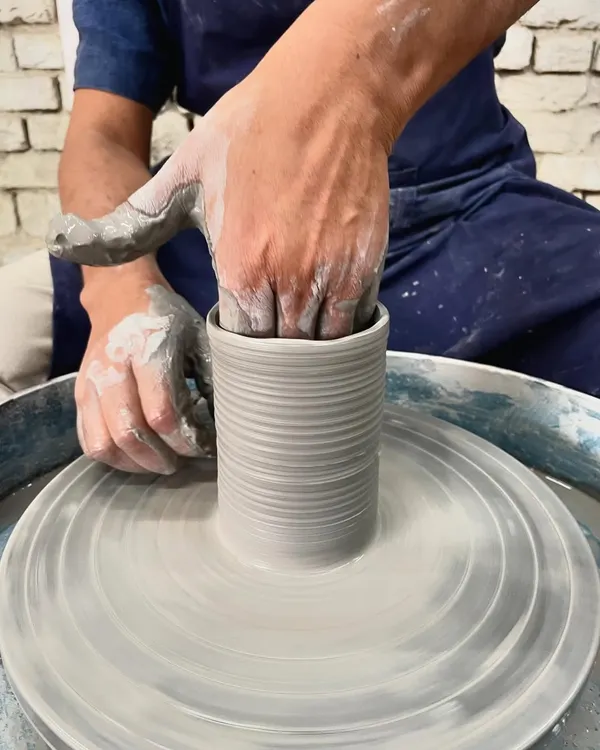 14
14From Clay to Kiln: The Art of Slow Pottery
The Art of Finishing: Painting and Firing Pottery
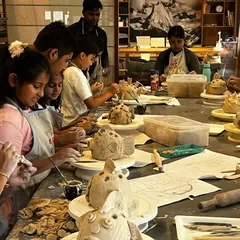
Hand-Building Pottery and Ceramics Workshops in Gurugram

Master Pottery Glazing & Surface Decoration
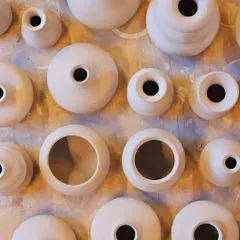
Step Inside Our Pottery Studio
 6
6
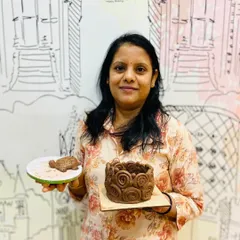
Hands-On Pottery and Clay Workshops
More from Pottery Workshops by Malvika
More services by Malvika