The Art of Finishing: Painting and Firing Pottery
The journey of clay does not end at the wheel. From the precision of trimming to the transformation of kiln firing, these final steps turn raw clay into lasting art.
This video provides a closer look at underglaze painting, a technique that allows for detailed and colorful designs. You can see various students and myself applying intricate patterns before the final firing.
Learning to decorate and paint your pottery is a key part of the creative process. My workshops guide you through different techniques to add color and personality to your work.
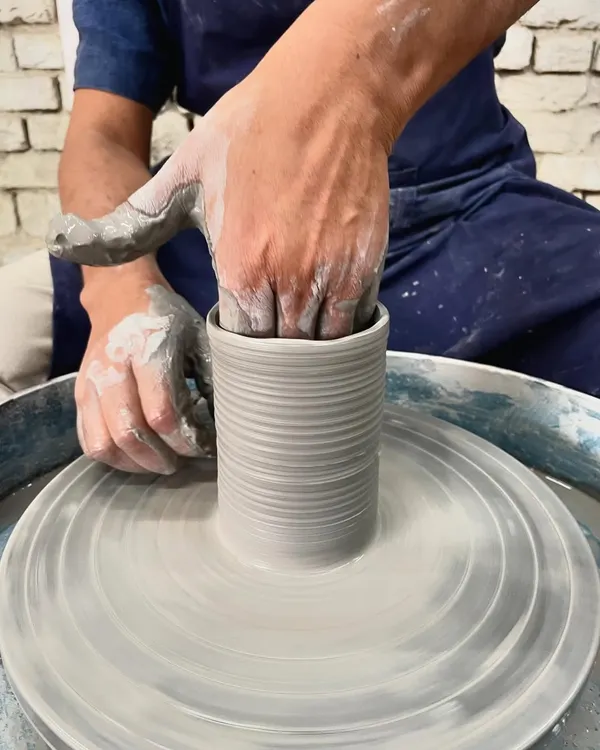
Trimming is a crucial step that transforms a rough pot into a refined piece. Watch how I use specialized tools to carefully remove excess clay and define the foot of a mug.
Students in my workshop learn to decorate their hand-built bowls and platters. Here, a student meticulously paints a detailed pattern of cats onto her plate before it goes into the kiln.
This video shows the dramatic Obvara firing process. Hot pottery is plunged into a fermented mixture, creating unpredictable and beautiful patterns on the surface of the pieces, like the mask shown here.
Another view of the Obvara firing technique. You can see the steam and hear the sizzle as the hot ceramic piece is submerged, a moment where science and art meet to create a unique finish.
This montage shows various finishing techniques, from slab work construction and painting to the exciting Obvara firing process. It also features a glimpse of my work being recognized by an art gallery.
About The Art of Finishing: Painting & Firing
Getting the finish right is where science meets intuition. Whether it is trimming the foot of a mug to perfection or managing the precise temperature for an Obvara firing, every detail counts. I treat these final stages with the same care as the throwing process, ensuring that the piece you hold is not only functional but uniquely yours.
Understanding the Final Transformation
The most critical phase of ceramics happens after the initial shaping. This is where a piece gains its durability, personality, and final look. My studio focuses on two distinct paths: precise decorative painting and the organic, volatile nature of alternative firing.
The Precision of Underglaze Painting
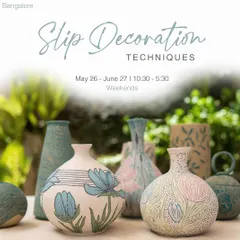
Unlike traditional glazing, underglaze painting allows for high-detail work before the final coat is applied. In my workshops, I encourage students to see the leather-hard clay as a canvas. We use specific brushes and pigments to map out designs—from geometric patterns to intricate florals. This technique ensures the artwork is sealed beneath a food-safe, durable finish, making the mugs, bowls, and platters I create safe for daily dishwasher and microwave use.
The Magic of Obvara Firing
If you have seen the smoky, web-like patterns on my sculptural vases, that is the Obvara technique. It is an Eastern European firing method that feels more like an event than a process. We pull the work from the kiln at roughly 700 degrees Celsius and immediately plunge it into a fermented mixture of flour, water, yeast, and sugar. The steam and the rapid cooling create unpredictable, charred patterns that can never be replicated. It is messy, loud, and entirely dependent on the atmosphere—which is exactly why I love it.
Trimming and Refinement
Before any painting or firing, the piece must be trimmed. This step is often overlooked, but it is what separates a heavy, clunky pot from a refined, balanced one. Using sharp trimming tools, I remove excess weight from the base, creating a clean foot ring. It transforms a lump of clay into a piece that feels light and intentional in your hand.
Similar work from other experts
Browse through Curated picks from other experts on mytribe
The Magic and Mess of Finishing Your Pottery
 14
14From Clay to Kiln: The Art of Slow Pottery
Master Pottery Glazing & Surface Decoration
 27
27
The Art of Pottery: Process and Technique
Behind the Scenes of Handmade Pottery
The Art Behind Every Maati Sona Ceramic Creation
More from Custom Pottery Commissions by Dipti Gupta
More services by Dipti Gupta