Sensory Integration Therapy
Is your child easily overwhelmed or seeking constant movement? We use play-based sensory gyms to help children regulate their responses and navigate the world with confidence.
The therapeutic swing is a cornerstone of sensory integration therapy. The gentle, rhythmic motion provides vestibular input that helps children feel calm, centered, and ready to learn.
Our Visual & Auditory Unit at the Jabalpur branch. The calming lights and bubbling sounds of this bubble tube provide gentle sensory input that can help reduce anxiety and improve visual focus.
A look at some of our liquid sensory gel toys. These tactile floor tiles and number sets provide a unique sensory experience, encouraging touch and exploration in a mess-free way.
A dimly lit session using a simple light source inside a bottle. This activity helps a child with visual tracking and focus in a low-stimulation environment, ideal for those sensitive to bright lights.
This graphic illustrates how a single activity can target multiple areas of sensory development. We focus on vestibular, proprioceptive, and tactile input to help a child build a better understanding of their world.
This infographic explains some common signs of Sensory Processing Disorder. We use this knowledge to create targeted therapies for children who seek movement, avoid textures, or have trouble with body awareness.
About Sensory Integration in Action
Parents often worry when a child cannot sit through a session or follow instructions. We do not force compliance. Instead, we regulate their system first using vestibular input—like gentle swinging or tactile exploration—to help them feel grounded. Once a child feels comfortable in the environment, their ability to focus and engage with the therapy tasks naturally improves.
Sensory integration is about more than just sitting still; it is about how the brain takes in and responds to information from the environment. Many children we see face challenges with sensory processing—they might be over-sensitive to noise, avoid certain textures, or constantly seek movement like jumping or spinning.
How We Approach Sensory Therapy
Our centers are designed as safe, indoor playgrounds. We avoid a clinical, hospital-like feel because we know that play is the most effective way for a child to learn. Our sessions are not cookie-cutter; every plan is built after a 90-minute clinical assessment that maps your child's specific sensory profile.
Core Techniques We Use
- Vestibular Input: We use specialized swings and balance beams to help children develop balance and core stability. This is crucial for kids who are restless or seeking constant movement.
- Tactile Stimulation: From liquid gel toys to varied textures, we help children who are tactile-defensive get comfortable with new sensations.
- Proprioceptive Work: Heavy work activities like tire pulling or obstacle courses help children understand where their body is in space, which builds body awareness and confidence.
- Visual & Auditory Regulation: In our sensory-friendly rooms, we use bubble tubes and controlled lighting to calm anxiety, creating a space where the nervous system can relax.
Whether you are visiting our centers in Gurgaon, Jabalpur, or our other locations, the goal remains the same: helping your child feel secure enough to participate. If your child struggles with texture, movement, or focus, we invite you to come in and see how we integrate these essential developmental targets into a routine that feels like 'Fun Time' rather than work.
Similar work from other experts
Browse through Curated picks from other experts on mytribe
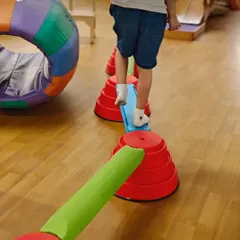
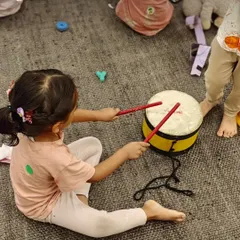
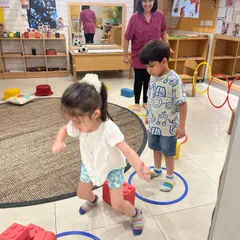
Building Essential Skills Through Play
 6
6
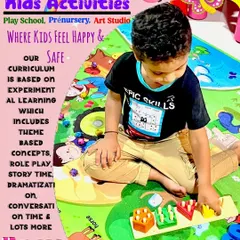
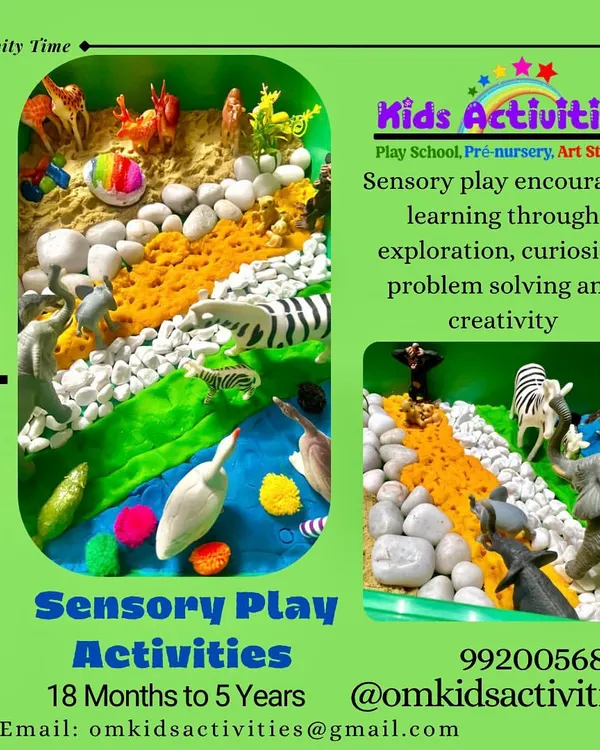
Hands-On Sensory Exploration
 14
14

Pediatric Occupational Therapy: Building Essential Skills Through Play
Toddler Gym Classes for Early Motor Skills
Action-Packed Obstacle Courses & Games for Kids
 33
33
Sensory & Play Corners for Creative Kids
More from Occupational & Physical Therapy by Sankalp and Gurukul
More services by Sankalp and Gurukul