Heritage Restoration and Adaptive Reuse
We breathe new life into ageing structures, preserving their original architectural character while adapting these historic spaces for the demands of contemporary life.
This video documents the ongoing restoration of the 100-year-old Collector's Camp Office in Nagapattinam. It shows the transformation process, including the application of traditional red oxide finish on the verandah pillars, highlighting my commitment to preserving architectural heritage.
A look at the process of creating a mud wash for the gymnasium walls at the Nagapattinam project. We used reused Mangalore tiles for the masonry and finished them with a simple mud plaster to express their natural texture.
This exploded axonometric drawing illustrates the renovation strategy for the Nagapattinam Collector's camp office. It details the scale, material, and process for conserving this more than 100-year-old heritage building.
A detailed section drawing showing how we reused single groove Mangalore tiles, salvaged from the main house, as a masonry unit. This technique replaces conventional masonry and adds a unique tactile layer to the structure.
This drawing shows the deconstruction and reconstruction process for the roof and verandah of the main house at the Nagapattinam project. The goal is to restore the building to its original tropical architectural character.
A presentation video for the Nagapattinam Collector's camp office renovation. It combines renders of the proposed interiors with photos of the existing structure and the ongoing work, outlining the ambitious vision for the project.
About Heritage Restoration & Adaptive Reuse
Restoration is a forensic act. For the Nagapattinam Collector’s office, we did not just paint over the decay; we salvaged single-groove Mangalore tiles from the main house to use as custom masonry units for the gymnasium. This approach keeps the material history intact while solving the structural needs of the new administrative space.
Our Approach to Conservation
Heritage restoration is not about freezing a building in time. It is about understanding the narrative of the structure and continuing that story through sensitive interventions. We begin every project with an as-built study, documenting load-bearing elements and identifying where modern functionality can be woven into the existing fabric without compromising its soul.
The Nagapattinam Project: A Case Study
The renovation of the 100-year-old Collector’s camp office required a delicate balance between administrative efficiency and architectural preservation. Working with the Public Works Department, our focus was to maintain the tropical colonial character of the site while making the spaces liveable.
We employed several core strategies:
- Material Salvage: Instead of discarding old Mangalore tiles, we repurposed them into masonry blocks, creating a textural link between the old roof and the new gymnasium walls.
- Traditional Finishes: We utilized red oxide flooring and mud wash plastering to restore the original tactile quality of the verandahs, avoiding modern synthetic finishes that hide the building's age.
- Structural Honesty: Every intervention, from reinforcing aging rafters to redesigning internal flows, was done to improve light and ventilation while respecting the original footprint.
Why Adaptive Reuse Matters
Adaptive reuse is the most sustainable form of construction. By working with existing heritage buildings, we reduce the carbon footprint associated with new builds and keep traditional craftsmanship alive. Whether you are dealing with a colonial bungalow, a traditional courtyard home, or an institutional structure, our process prioritizes structural strengthening and minimal intervention to ensure the building remains a living, breathing part of the landscape.
Similar work from other experts
Browse through Curated picks from other experts on mytribe
 28
28
Reimagining Heritage Architecture
 11
11
Adaptive Reuse & Heritage Conservation Architecture
Adaptive Reuse and Heritage Conservation Architecture
 10
10
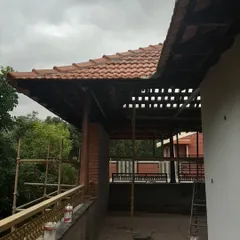
Traditional Home Restoration and Renovation Services
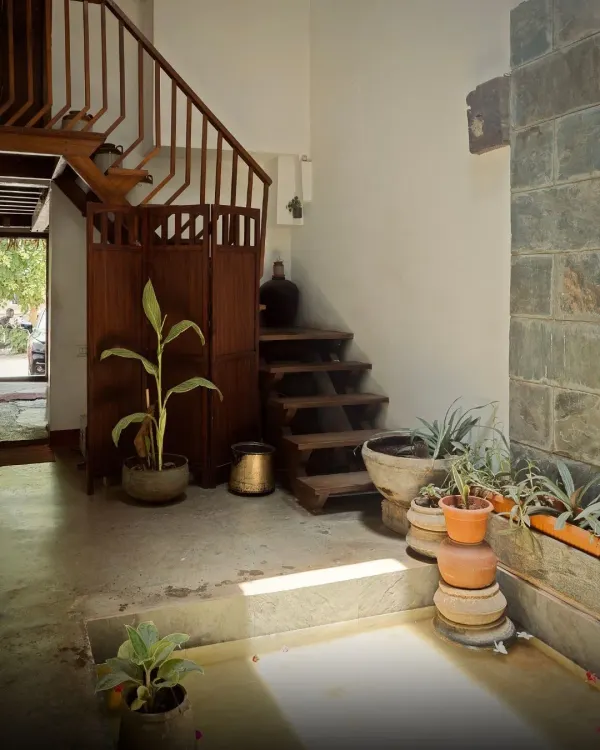 10
10
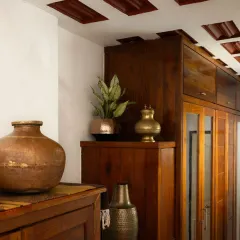
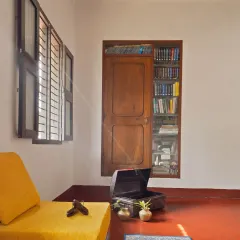
Heritage Home Restoration and Vernacular Architecture
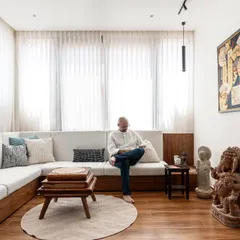
Home Renovations and Restorations in Bengaluru
More from Architectural Design by Betweenlines
More services by Betweenlines