Expert Dog Training & Behavior Tips
Understanding your dog's world is the first step toward a stronger bond. Here are my practical, relationship-centered tips for raising a calmer, more confident pup.
I often get asked why a trial stay is mandatory. It's a crucial step to ensure your dog feels safe and comfortable in my home, especially if they are prone to anxiety. This helps us build trust before a longer stay.
A reliable recall is the product of a strong relationship. This video of Bagheera coming back to me took years of consistent practice. It shows that with patience, you can build incredible trust with your dog.
Dogs communicate discomfort through subtle calming signals like lip licking, yawning, and "puppy eyes". This video shows a dog's anxiety about bed dusting and why it's important to recognize these signs.
After noticing his fear, I worked to desensitize this anxious pup to the bed dusting process over four days. By using his favorite toys and treats, we turned a scary event into a positive one.
This is the journey of Dobby, an anxious and underconfident dog. Through confidence-building activities at home and then outdoors, we are slowly helping him feel safer in the world.
Teaching the 'Place' command is one of the most useful things for any dog. It gives them a designated spot to relax, which is invaluable when guests arrive or you just need them to settle down.
Getting a dog is a huge responsibility. They demand very little but need their basic needs for food, play, and walks met. This is a reminder to only bring a dog home if you are ready for that commitment.
With anxious dogs, there are no quick fixes. My approach is about building confidence slowly and steadily, focusing on what feels good to them rather than rushing for results.
Building a rock-solid relationship with your dog is about trust. This graphic shares three key ways to do that: be present on walks, make them work for their food, and always advocate for them in stressful situations.
If your dog is reactive on walks, don't get stressed. Instead, focus on a good schedule of indoor mental enrichment and obedience training to build their confidence in a calm environment.
About Expert Training & Behavior Tips
Instead of searching for a quick trick to change your dog's behavior, start by observing their calming signals. Whether it is lip licking, yawning, or avoiding eye contact, these are their subtle ways of saying they feel overwhelmed. Recognizing these small cues early allows you to advocate for them and lower the pressure before their stress turns into a reaction.
Training as a Team
True behavior change is not about teaching tricks like shaking paws or rolling over. It is about building a relationship where your dog trusts you to guide them through our human world. When I work with a family, I focus on the basics that actually matter in real life. Can your dog settle on a mat when guests arrive? Can they ignore something on the ground during a walk? These are safety and sanity skills that make daily life easier for both of you.
The Art of Slowing Down
We live in a world of instant gratification, but training requires the opposite. If you are teaching a 'Place' command or working on reactivity, consistency beats intensity every time. Practice for five minutes, three times a day, in a low-stress environment. If a training session feels frustrating, stop. Your dog picks up on your energy, and a calm, patient handler is the most important tool you have.
Practical Tips for Everyday Life
- Ditch the Food Bowl: Use snuffle mats, puzzle toys, or even cardboard boxes for kibble. Making them work for food is a massive mental energy burner that keeps dogs from getting bored.
- Respect the 'Sniffari': On walks, let your dog lead with their nose. Sniffing is meditative and provides crucial mental exercise. It is not about how far you walk, but how much they get to explore.
- Advocate for Your Dog: You are your dog's safety net. If they are scared at the vet, do not force them. Stand between them and the stranger. Politely tell people 'no' when they try to rush over and pet your shy pup. They rely on you to keep them safe, and that trust is the foundation of everything else.
Similar work from other experts
Browse through Curated picks from other experts on mytribe
Our Dog-Centric Training and Behaviour Philosophy
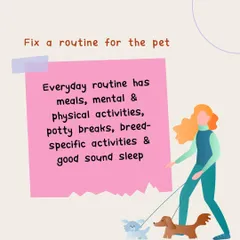
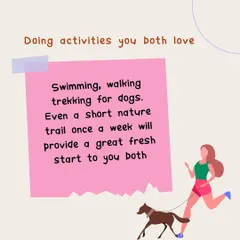
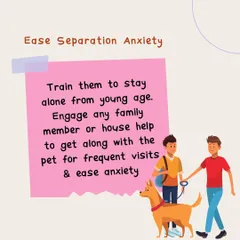
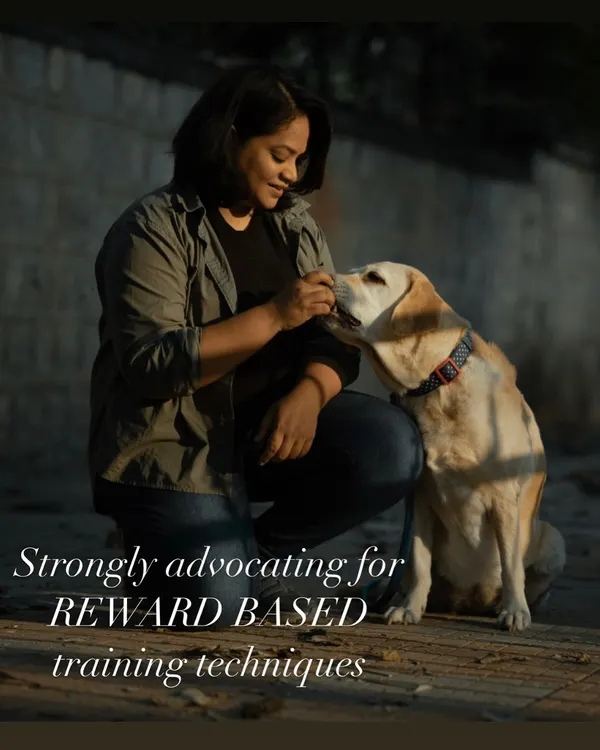
My Positive Dog Training Philosophy & Practical Tips
 8
8
Science-Based Online Dog Training & Behavior Coaching
Practical Dog Training Tips & Behavioral Insights
Canine behaviour training and educational insights

Building a Lasting Bond with Your Dog
More from Premium Home Boarding by Furry Story
More services by Furry Story