Practical Dog Training Tips & Behavioral Insights
I’m Dikshit, The Canine Coach. Whether you’re struggling with puppy biting or just trying to get your dog to focus, it usually comes down to understanding them better. Here are my go-to techniques to help you and your dog find a rhythm.
My entire training philosophy rests on three non-negotiable pillars: Patience, Perseverance, and Consistency. As you can see with Ninja here, when you combine these, you build a foundation of trust and respect that makes training a successful and rewarding journey for both you and your dog.
Have you ever seen that "guilty face" and thought your dog knows what they did? The truth is, what you're seeing is fear and stress, not guilt. They are reacting to your tone and body language, so let's stop blaming them and start understanding them.
Is your dog not listening? Try this five-second fix. Before giving a command, say their name, pause, and wait for eye contact. That single moment of focus is a total game changer for clear communication.
Many people wait until their puppy is six months old to start training, but that misses the golden window. You can and should start training from the day you bring your puppy home, as early as eight weeks, to build good habits from the very beginning.
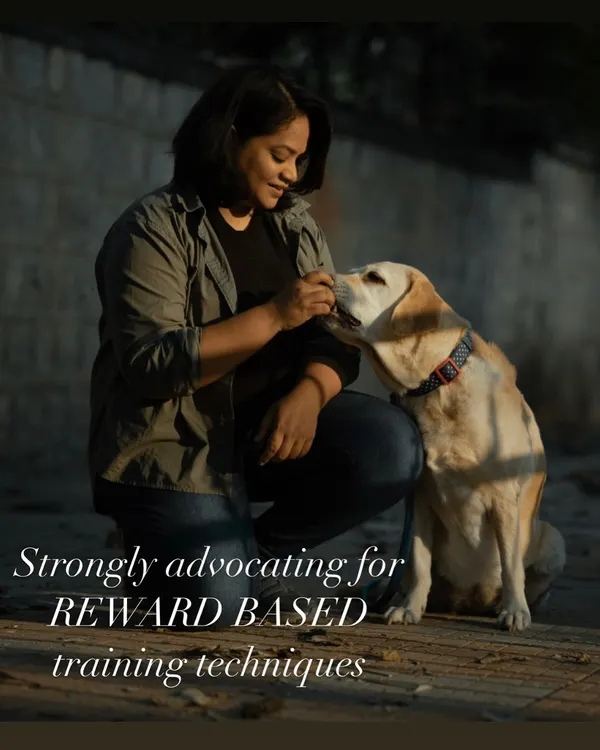
Do you think using treats is bribery? Think of it this way: your salary isn't a bribe, it's payment for a job well done. Treats are a powerful tool for positive reinforcement, motivating your dog and rewarding them for good behavior.
Car rides can be stressful for anxious dogs. A simple but powerful combination of a secure crate and an engaging toy, like a Kong, can make a world of difference, helping your dog stay calm and relaxed on the move.
A dog's name should always be a positive word. I even give my own dog two names: one for praise and another for correction. Just like we had childhood nicknames, this helps your dog clearly understand your intention.
Watch how this white dog calmly steps in to diffuse a potential fight. This is true leadership. Dogs communicate through energy and intent, and learning to be a calm, confident leader is the key to a better relationship with your own dog.
About Featured
Stop thinking of training as just teaching commands like 'sit' or 'stay.' Training is really about two-way communication. Before you try to correct a behavior like barking or leash pulling, ask yourself if your dog actually understands what you are asking. Often, the frustration comes because we are speaking different languages, and my goal is to help you bridge that gap so you can stop blaming them and start guiding them.
Building a Relationship, Not Just Obedience
Many pet parents come to me looking for a 'magic fix.' The reality is that successful dog parenting is built on three non-negotiable pillars: Patience, Perseverance, and Consistency.
There are no weekends off for your dog, and habits are only formed through repetition. If you lose your cool, you lose the chance to teach. You have to be more determined than your dog is stubborn.
Why Your Dog Isn't 'Stubborn'
- The 'Guilty' Look: That face your dog makes when they've chewed a slipper? They aren't feeling guilt. They are reacting to your stressed body language. Stop blaming them and start observing what triggers their fear.
- Treats are Salary: Stop calling treats a bribe. Think of them as a salary for a job well done. You wouldn't work for free, and neither will your dog. This is positive reinforcement in its simplest form.
- Name Strategy: A dog’s name should always be a positive word. I recommend using two names—one for praise and one for correction—so your dog clearly understands when they are in trouble versus when they are doing a good job.
The Golden Window
Don't wait until your puppy is six months old to start. You can and should begin training the day you bring them home, as early as eight weeks. We can work on house breaking, bite inhibition, and basic manners before bad habits have a chance to settle in.
Whether you need a 60-minute video consultation to diagnose aggression or a structured 4-week mentorship for your new puppy, my approach is always tailored to your home environment. Let's make dog parenting less stressful.
Similar work from other experts
Browse through Curated picks from other experts on mytribe
 8
8
Science-Based Online Dog Training & Behavior Coaching
Practical Dog Training and Family Consults
Canine behaviour training and educational insights
Expert Dog Training & Behavior Tips
Real-Life Dog Training Transformations

Dog Training Success Stories and Proven Results
More from Dog Parent Coaching & Workshops by The Canine Coach
More services by The Canine Coach