How to Build a Balanced Diet Effectively
Stop guessing what to eat. I create structured, balanced meal plans that prioritize your health goals without eliminating your favorite foods.
This healthy eating pyramid illustrates the ideal structure of a balanced diet. It prioritizes protein and vegetables at the base, followed by complex carbohydrates and fruits, showing how to build your meals for optimal nutrition.
This food pyramid provides a comprehensive guide to a balanced diet, detailing food groups from vegetables and whole grains at the base to healthy fats and even occasional sweets at the top. It visualizes the principle of moderation and variety.
This chart breaks down the recommended daily servings for each food group, from fruits and vegetables to proteins and healthy fats. It provides a clear, quantitative guide to help you build a balanced plate every day.
A balanced diet includes a variety of food groups. This infographic explains the roles of whole grains, dairy, vegetables, fruits, and protein, and even shows how treats can fit into a healthy lifestyle in small amounts.
This graphic simplifies the concept of a balanced diet by listing the essential food groups: whole grains, fruits, vegetables, protein, dairy, and fats. Eating from all these groups in the right quantities is the key to good health.
Understanding macronutrient ratios is crucial for a balanced diet. This guide provides a simple percentage breakdown for fruits and vegetables, protein, fiber, carbohydrates, and fats to help you structure your meals properly.
Wondering what to eat? This detailed list breaks down healthy choices across all food categories, including grains, vegetables, fruits, nuts, lean meats, and dairy. Use this as a shopping guide for stocking a healthy kitchen.
This scientific breakdown shows how different macronutrients like proteins, carbs, and fats are digested and what they turn into in your body. Understanding this process helps you appreciate why a balanced intake is so important for energy and cell function.
This infographic explains the essential roles of the three macronutrients. Protein for muscle maintenance, fat for hormone health and energy reserves, and carbohydrates for primary fuel. A balanced diet requires all three.
A smart breakfast includes carbohydrates for energy. This image compares a carb-free breakfast that leaves you hungry in minutes to a balanced breakfast with carbs that keeps you full for hours, demonstrating the importance of smart meal composition.
About Building a Balanced Diet
A balanced diet isn't about counting every calorie, but understanding the composition of your plate. When I build your plan, we focus on macronutrient ratios—protein for muscle maintenance, fats for hormone health, and carbohydrates for energy—specifically tailored to your metabolic rate and activity levels. This ensures you feel full, energized, and satisfied, rather than restricted.
Many people believe that achieving a healthy body requires starving themselves or cutting out entire food groups. My approach is the opposite. A truly balanced diet is sustainable, flexible, and grounded in science, not trends.
Understanding Your Nutritional Needs
Every body processes nutrients differently. My plans start with a full diagnostic review—analyzing your body fat, BMI, and visceral fat—to determine exactly what your metabolism needs. Instead of generic advice, I provide:
- Macronutrient Structuring: We balance your intake of proteins, healthy fats, and carbohydrates based on your daily activity. This prevents the energy crashes often caused by restrictive diets.
- Portion Management: Learn how to enjoy regular Indian meals—rotis, dal, and sabzi—while hitting your nutritional targets.
- Condition-Specific Adjustments: If you are managing PCOS, Thyroid, Diabetes, or Hypertension, your meal plan includes targeted tweaks (like Glycemic load management for Diabetes or anti-inflammatory foods for PCOS) to address the root cause, not just symptoms.
Why Sustainable Eating Wins
The goal is long-term independence. You will learn to navigate restaurant menus, family events, and busy schedules without fear. By the end of our program, you won’t just be at your target weight; you will understand how to maintain it for life. No crash diets, no magic pills—just data-driven habits that fit into your lifestyle.
Similar work from other experts
Browse through Curated picks from other experts on mytribe
How to Build a Balanced, Energizing Plate
 14
14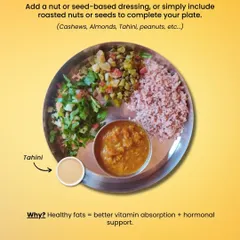
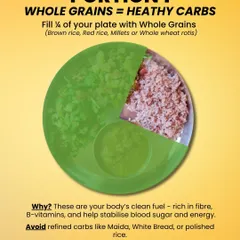

The Healthy Plate: A Simple Formula for Daily Nourishment
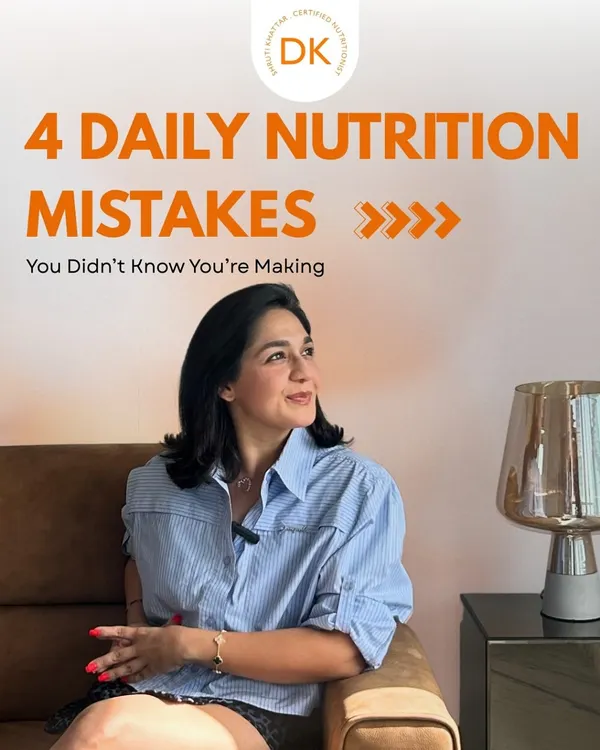 47
47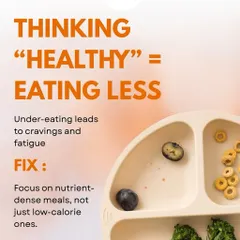


Smart Eating Tips for Sustainable Weight Loss
 143
143


The Science of Sustainable Nutrition
 6
6

Nutrition That Fits Your Life
 7
7


Building Your Healthy Plate: Practical Nutrition for Indian Meals
More from Health Condition Diet Plans by Surbhi Aggarwal
More services by Surbhi Aggarwal