How to Build a Balanced, Energizing Plate
Stop counting every calorie and start building plates that actually fuel you. Here is my simple, visual method for portioning your meals—no weighing scales required.
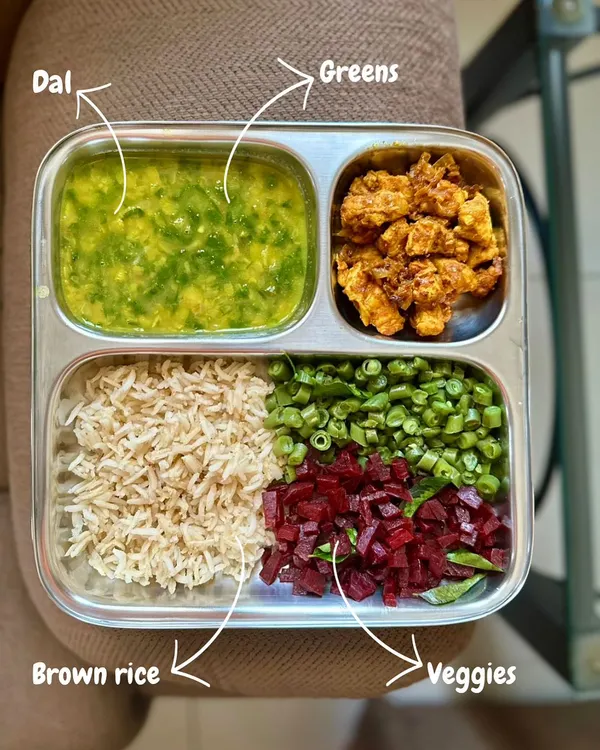
This is how you build a balanced plate. I demonstrate how to divide your plate into portions for carbs (rice), protein (dal and paneer), and fiber (vegetables), with a side of curd for probiotics.
The first rule of a balanced plate is to fill it with color. Vegetables should take up a large portion of your meal, as they provide essential micronutrients, aid in fat loss, and help your body recover.
Choosing the right protein is crucial. I recommend lean sources like chicken, fish, low-fat dairy, and sprouts, while advising to avoid heavy, fried, or cream-based dishes for better results.
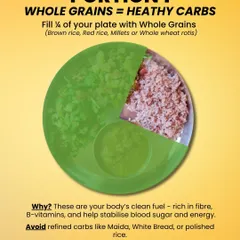
Carbs are not the enemy; you just need to pick the right ones. I explain why you should choose complex carbs like millets, brown rice, and oats over refined sugar and maida-based foods.
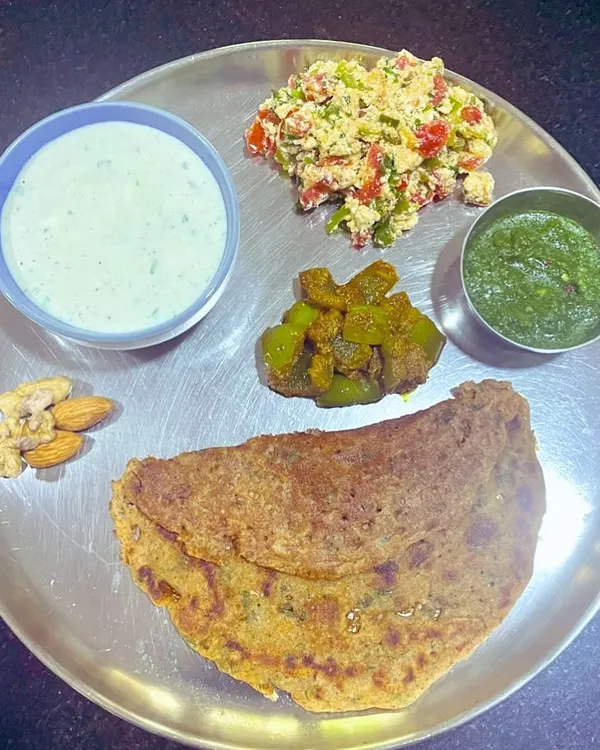
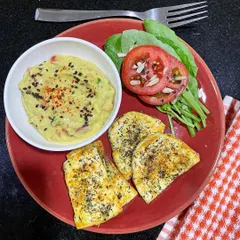
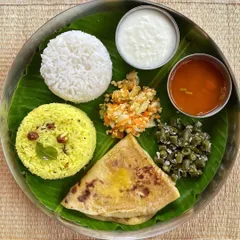
A perfect example of a balanced Indian meal. This plate features a whole wheat paratha (carbs), paneer bhurji (protein), and a side of steamed vegetables (fiber), showing that everyday food can be perfectly healthy.
A simple hack to manage blood sugar and hunger is to eat your protein first. Starting your meal with protein like eggs or yogurt leads to slower digestion and more stable energy compared to starting with carbs.
Are you just eating oats for breakfast? Oats alone can cause a glucose spike. I explain how to build a balanced oatmeal bowl by adding protein (like protein powder) and healthy fats (like nut butter) for sustained energy.
You can make your rice healthier with these three simple tips. I explain how soaking rice, adding a little oil while cooking, and letting it cool can lower its glycemic index and increase its fiber content.
To achieve your health goals, it's important to let go of a restrictive mindset. My approach focuses on building balanced, nourishing plates that you enjoy, rather than focusing on what you can't eat.
A sneak peek into what an Olympic nutritionist eats for dinner. This one-pan meal is packed with vegetables, protein, and complex carbs, proving that even high-performance meals can be simple and easy.
About Building Your Balanced Plate
The biggest mistake most people make isn't what they eat, but the order in which they eat it. Start your meal with your protein source—like dal, paneer, eggs, or chicken—before moving on to your carbs. This simple sequence slows down digestion, prevents the dreaded post-meal glucose spike, and keeps you feeling fuller for longer without needing to snack an hour later.
Building a balanced plate doesn't mean eating boring salads. My method is designed specifically for Indian kitchens and our staple meals. Imagine your plate divided into four sections. Two sections should be vegetables—yes, half your plate—to provide essential fiber and volume. One section is for your protein (think paneer, dal, sprouts, or lean meat), and the final section is for your carbs (rice, roti, or millets). This ratio ensures you get the nutrients you need without feeling deprived.
We often over-index on carbs because that's how our meals are traditionally structured. When you start with the protein, you naturally manage your hunger hormones better. It is a small tweak, but it changes everything for your energy levels throughout the day.
People often ask if rice or oats are 'bad.' They aren't. It is about how you serve them. For example, soaking rice in an acidic medium or letting it cool creates resistant starch, which is better for your gut. If you love oats, do not just eat them plain—mix in seeds, nuts, or protein powder to avoid that mid-morning energy crash.
Remember, 'Time lagega.' Your body needs time to adapt to new eating patterns. Do not stress about perfection at every single meal. Start by fixing your lunch or dinner today, and notice how much lighter and more focused you feel afterward. Theek hai?
Similar work from other experts
Browse through Curated picks from other experts on mytribe
 17
17

How to Build a Balanced Healthy Plate
 14
14

The Healthy Plate: A Simple Formula for Daily Nourishment
 12
12
Quick & Nourishing Meal Plates: Simple Recipes for Balanced Living
 47
47


Smart Eating Tips for Sustainable Weight Loss
 164
164

Balanced Indian Meal Plates for Sustainable Health
 7
7
Building Your Healthy Plate: Practical Nutrition for Indian Meals
More from Clinical Nutrition & Lifestyle Management by Shona Prabhu
More services by Shona Prabhu