Building Your Healthy Plate: Practical Nutrition for Indian Meals
Healthy eating isn't about restriction. It is about finding the right balance on your plate. Here is how you can use simple, everyday Indian ingredients to nourish your body and satisfy your cravings.
A classic South Indian meal of dosa with sambar and chutneys is a perfect example of a complete meal. The fermented dosa is great for gut health, while the lentil based sambar provides protein and fiber, making it a balanced and nutritious choice.
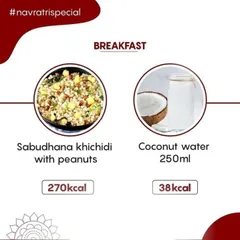
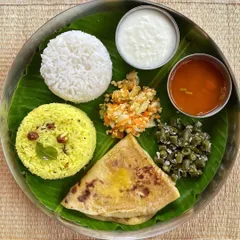
Poha is a perfect example of a traditional Indian breakfast that is both delicious and incredibly healthy. It is light on the stomach, a good source of healthy carbohydrates, and a natural probiotic. Adding vegetables and peanuts makes it a complete and balanced meal.
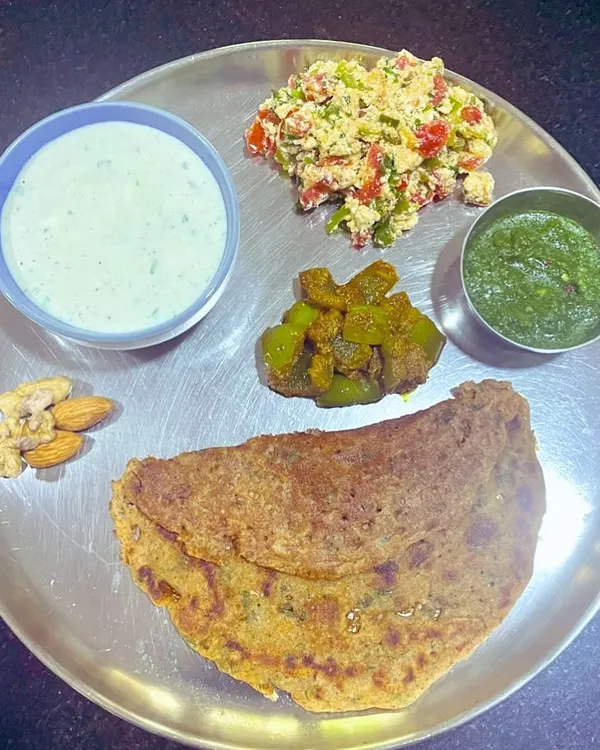
This besan chilla, or gram flour pancake, is a fantastic high protein breakfast or snack option. Besan is packed with nutrients, helps in weight management, and is great for heart health. It is a versatile ingredient that is always in my kitchen.
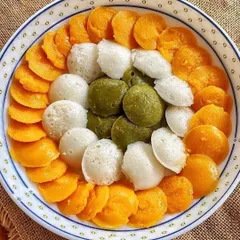
During Navratri fasting, this meal of Sama ka Chawal (Barnyard Millet) idli with coconut mint chutney and potato bhaji is perfect. Millets are light, easy to digest, and provide sustained energy, making them an excellent grain for any time of year.
Raw bananas are a wonderful and versatile vegetable, with a texture similar to potatoes. Whether parboiled and made into a masala stir fry or used in cutlets, they are a great source of potassium, fiber, and vitamins A and C.
Homemade pickles are a fantastic probiotic that can aid digestion and improve gut health. This raw mango and green chili pickle is a personal favorite. Remember to enjoy it in moderation as a flavourful side to your meals.
A simple look at my daily food choices. Starting the day with fresh fruits, staying hydrated with mint infused water, and having a simple salad in the evening are small habits that make a big difference in overall health and energy.
About Building Your Healthy Plate
People often think healthy eating means giving up their favorite foods, but look at the South Indian meal example here. By pairing a fermented dosa with lentil-based sambar, you get protein, fiber, and gut-friendly probiotics in one go. That is the philosophy I follow: it is not about what you remove, but how you balance what you add to your plate.
When I work with clients in Delhi NCR, the most common question I get is, 'What should I actually eat?' You do not need expensive superfoods to stay healthy. Traditional Indian meals—like poha with peanuts for protein, or besan chilla for heart health—are already nutritionally dense if you understand portion control.
My approach to building your healthy plate is simple:
The Plate Method
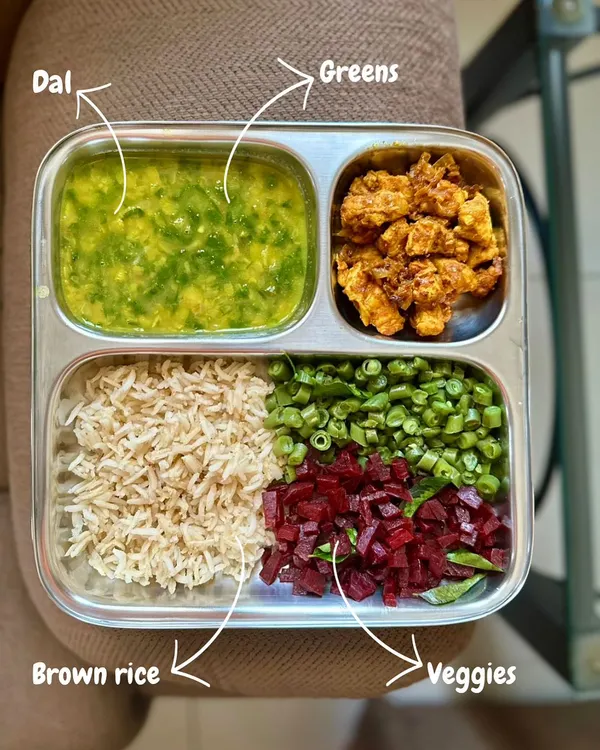
Visualise your plate. Half of it should be vegetables, one-quarter should be a protein source, and the last quarter should be your complex carbohydrates. Whether you are eating millet idli in the spring or raw banana stir-fry for lunch, this structure ensures you are full and energised without the post-meal slump.
Making It Work
Stop counting calories and start observing your energy levels. Are you feeling bloated? Are you craving sugar by 4 PM? These are signs your current plate is not serving you. I help you read food labels, navigate office cafeterias, and use kitchen staples like jeera, ajwain, and homemade pickles (in moderation!) to naturally support your gut health.
Fad diets tell you to cut out entire food groups, but that is unsustainable. I focus on what we can include. Whether you are managing PCOS, navigating a stressful corporate 9-to-5, or trying to get your kids to eat better, we build a plan that works with your life, not against it. No boring lectures, just practical, science-backed guidance that sticks.
Similar work from other experts
Browse through Curated picks from other experts on mytribe
 12
12
Quick & Nourishing Meal Plates: Simple Recipes for Balanced Living
Healthy Eating in Real Life: Simple Steps to Better Nutrition
 17
17
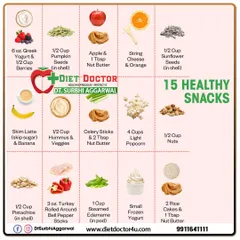
How to Build a Balanced Healthy Plate
 9
9
Healthy Eating Made Simple: Practical Indian Diet Plans

Simple Tips for Healthy Eating
 164
164
Balanced Indian Meal Plates for Sustainable Health
More from Corporate & Group Nutrition Workshops by Priya Arya
More services by Priya Arya