Evidence-Based Acne & Breakout Management
Stop the popping. Start the healing. I provide science-backed protocols to manage your breakouts, clear your skin, and prevent permanent scarring.
Thinking about popping that pimple? Please don't. Squeezing a pimple can push bacteria deeper into your skin, leading to more severe acne, inflammation, and permanent scars that are difficult to treat. I explain the three main reasons why you should keep your hands off your face.
As a dermatologist, I can always tell when a patient has been picking at their acne, even if they say they haven't. The signs, like excoriations and scabs, are clear. Remember, acne heals, but the scars from picking can be permanent.
If you are struggling with persistent forehead acne, there are specific things to consider. This video provides targeted tips, such as treating underlying dandruff and avoiding hair oil that can clog pores along the hairline.
For those with breakouts, I'm sharing a simple yet effective product combination. This video shows how to layer a salicylic acid and niacinamide gel with an azelaic acid gel in your evening routine to target acne. This is not suitable for sensitive skin.
Your diet can play a significant role in acne flare-ups. This video points out common trigger foods to avoid if you have acne-prone skin, including dairy, sugar, and highly processed packaged foods that can increase inflammation.
About Acne & Breakout Management
I often see patients who think drying out a pimple with a harsh scrub is the answer, but that actually damages your skin barrier and increases inflammation. In my practice, I focus on identifying the why—whether it is a hormonal trigger, a link to dandruff causing your forehead breakouts, or incorrect product layering—before recommending any medical-grade treatment. It is about managing the root cause, not just the visible spot.
Why DIY acne treatment often fails
Most over-the-counter shortcuts or Instagram hacks end up worsening your condition. When you pop a pimple, you aren't just removing pus; you are pushing bacteria deeper into the dermis, creating inflammation, and guaranteeing future scarring. My approach is strictly evidence-based:
- The Root Cause: We look at your medical history, hormonal profile (PCOD/Thyroid), and lifestyle triggers like diet and hair care habits.
- The Right Ingredients: Instead of random scrubs, I recommend targeted actives like salicylic acid or azelaic acid, correctly layered to match your skin’s tolerance.
- Clinical Intervention: For persistent cases, we move beyond topical creams. My in-clinic chemical peels use medical-grade exfoliation to dry out active lesions and reduce post-acne marks safely.
Common Concerns We Manage
- Forehead Acne: Often linked to hair care habits or scalp dandruff. We treat the scalp to clear the forehead.
- Post-Acne Scarring: Acne heals, but scars can be permanent. We intervene early with specific recovery protocols to minimize the risk.
- Diet & Inflammation: While not the cause for everyone, specific triggers like high-sugar diets or dairy can spike inflammation in acne-prone skin. We assess your lifestyle as part of your treatment plan.
If you have been struggling with a 'trial and error' approach, it is time for a proper diagnostic assessment to audit your products and get a plan that actually works.
Similar work from other experts
Browse through Curated picks from other experts on mytribe
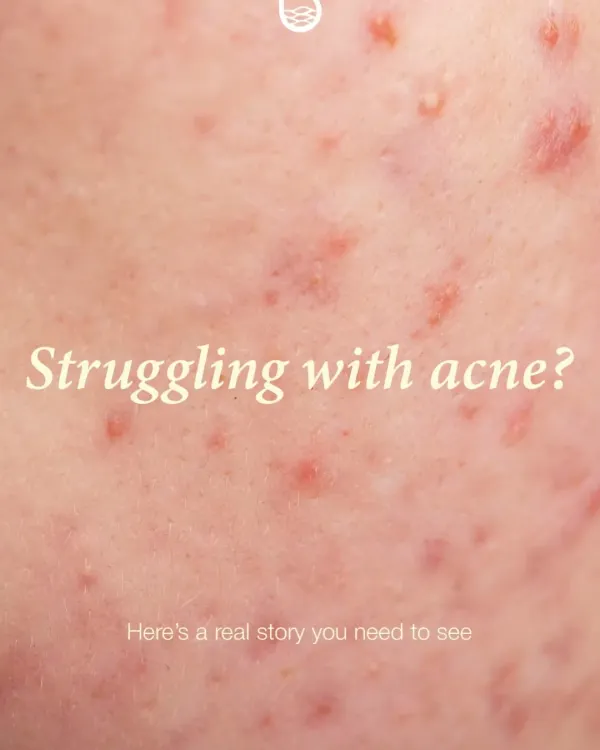
Acne Management: Scientific Solutions for Clearer Skin
 11
11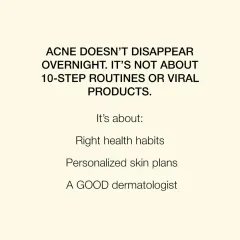


Acne & Breakout Solutions
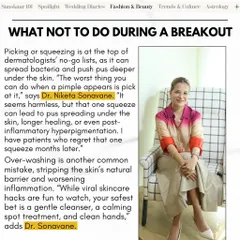
Stop Acne Breakouts: Real Causes and Simple Fixes

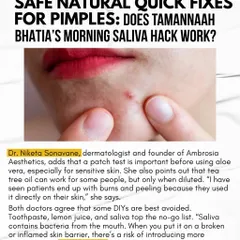
Understanding and Treating Acne Scientifically
Understanding and Managing Acne Breakouts
Expert Advice on Acne and Scarring Treatments
More from Medical Dermatology by Meha Tyagi
More services by Meha Tyagi