Understanding Sunscreen: A Dermatologist's Guide to Labels and Protection
Do not let confusing labels stop you from protecting your skin. Here is the science behind SPF, PA ratings, and the correct application to actually prevent damage.
To choose the right sunscreen, you first need to understand what you're protecting against. This graphic explains the difference between UVA rays, which cause aging, and UVB rays, which cause burns. A broad-spectrum sunscreen is essential because it blocks both.
What does SPF really mean? SPF, or Sun Protection Factor, is a measure of how well a sunscreen protects you from UVB rays. I explain the rating system so you can understand the level of protection offered by SPF 15, 30, and 50.
The 'PA' rating on a sunscreen label is just as important as the SPF. This system, developed in Japan, measures protection against UVA rays, the primary cause of photo-aging. Here's a simple guide to what PA+, PA++, and higher ratings mean for your skin.
Even the best sunscreen won't work if you don't apply enough. I share the dermatologist-devised "Teaspoon Rule" to help you understand the correct amount of sunscreen to apply to your face, neck, and body for full protection.
About Understanding Sunscreen
Most people apply way too little sunscreen, which is like wearing a raincoat with holes. If you are using a standard pump bottle, aim for the two-finger rule or a full half-teaspoon for just your face and neck to get the actual SPF listed on the bottle. If you are struggling with a white cast or breakouts after switching products, message me so we can find a formula that suits your specific skin type instead of guessing.
Decoding the Labels
Many patients come to me at my Gurugram clinic complaining that they 'used sunscreen but still tanned'. Usually, the problem is not the brand, but understanding the label.
- SPF (Sun Protection Factor): This specifically measures protection against UVB rays, which cause sunburns. If your skin normally burns in 10 minutes, SPF 30 gives you 30 times that duration. However, this is linear, not exponential. SPF 30 blocks 97% of rays, while SPF 50 blocks 98%. The jump is small, so do not obsess over high numbers; focus on reapplication.
- PA Rating (Protection Grade of UVA): UVA rays penetrate deeper, causing aging, wrinkles, and pigmentation. If you see PA++++ on your bottle, it offers extremely high protection against these deep-penetrating rays.
The Science of Application
Sunscreen is not a one-time morning task. If you are sitting near a window or commuting in Delhi/NCR, you are exposed to UVA rays that pass through glass.
- The Teaspoon Rule: A tiny pea-sized amount does almost nothing. Follow the guidelines: half a teaspoon for the face and neck, and significantly more for your body.
- The Wait Time: Apply your sunscreen 15 to 20 minutes before stepping out. Your skin needs time to form a film. If you apply it right at the door, you are unprotected for the first part of your commute.
Why 'Natural' Isn't Always Better
I hear a lot of 'nani-dadi' advice about using coconut oil or lemon for skin health. While I respect tradition, sun protection is chemical science. You need broad-spectrum coverage to block both UVA and UVB. If a 'natural' alternative does not have a clinical SPF rating, it is not protecting your DNA from damage. Let us stick to science-backed products that actually keep your skin healthy and pigment-free.
Similar work from other experts
Browse through Curated picks from other experts on mytribe
Sunscreen School: Expert Advice on SPF & Skin Protection
Sunscreen School: Your Daily Defense Against Sun Damage
The Ultimate Guide to Sunscreen
 19
19
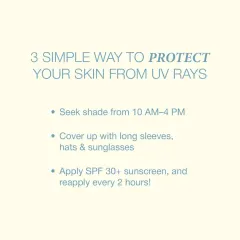
The Foundation: Sun Protection & SPF Guide
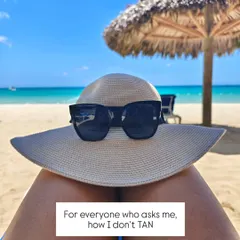
Sun Protection Simplified: A Dermatologist's Daily Guide

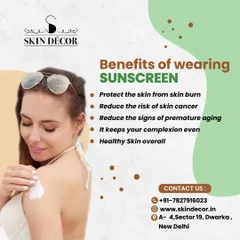
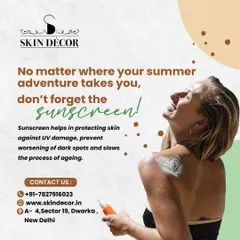
Sun Protection Essentials for Indian Skin
More from Medical Skin Treatments by Hemma Yadav