Stop Following These Dangerous Skincare Myths
Don't let influencers or the local chemist decide your skincare. I'm Dr. Meha, and I'm here to show you exactly which viral hacks are damaging your skin barrier, not helping it.
I often hear skincare advice that is not just wrong, but actively harmful. In this video, I break down five of the worst tips I hear as a dermatologist, from using coconut oil on acne-prone skin to the myth that tingling means a product is working. Let’s replace myths with science.
This is what can happen when you trust a *medical store bhaiya* or Google for skincare advice. These images show Topical Steroid Damaged Face, or TSDF, a severe condition I treat frequently caused by misusing fairness or steroid creams. Your skin is not an experiment; it needs a qualified dermatologist.
Here I am with a list of five products that I, as a dermatologist, will never recommend you use. These items are commonly available but can cause more harm than good for your skin.
The first product to avoid is any kind of fairness cream. These often contain harsh chemicals or hidden steroids that promise quick results but can lead to long-term skin damage, redness, and acne.
The second type of product to avoid is combination creams like Castor-NF. These often contain potent steroids mixed with antifungal and antibacterial agents, which should never be used without a doctor's prescription for a specific condition.
Third on my list to avoid are glutathione or so-called brightening soaps. These products make unrealistic claims and cannot change your skin tone; at best, they are ineffective, and at worst, they can cause irritation.
The fifth item to throw away is your loofah. Both plastic and natural loofahs are abrasive, can damage your skin barrier, and often harbor bacteria, leading to body acne and irritation.
Thinking about popping that pimple? Please don't. Squeezing a pimple can push bacteria deeper into your skin, leading to more severe acne, inflammation, and permanent scars that are difficult to treat. I explain the three main reasons why you should keep your hands off your face.
As a dermatologist, I can always tell when a patient has been picking at their acne, even if they say they haven't. The signs, like excoriations and scabs, are clear. Remember, acne heals, but the scars from picking can be permanent.
If you have dark or dull lips, your habits might be the cause, not your genetics. I explain five common habits that contribute to lip pigmentation, including lip licking, drinking hot beverages, and using certain types of lipsticks and toothpastes.
About Skincare Myths: What Not to Do
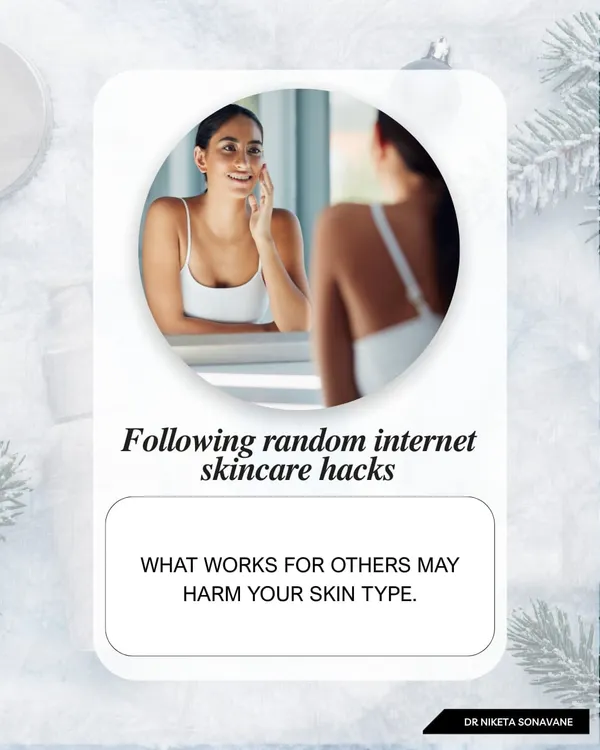
Before you try that viral mask, pause. Most DIY hacks—like putting lemon juice, toothpaste, or cinnamon on active acne—disrupt your skin’s pH and frequently lead to chemical burns or permanent scarring. I see patients every day dealing with the aftermath of these trends. If your skin is red, burning, or suddenly breaking out, stop everything and let’s re-evaluate your routine based on science, not guesswork.
The Reality of Viral Skincare
There is a massive difference between what looks good in a 15-second reel and what is medically safe for your skin. Most popular DIY trends prioritize immediate, superficial gratification over long-term skin health. As a dermatologist, my job is to clean up the mess left behind by these 'shortcuts.'
Common Myths I See Daily
- The 'Fairness' Trap: Products promising instant 'gore hone' (fairness) often contain hidden steroids. These might show quick results, but they eventually cause skin thinning, permanent redness, and a condition known as Topical Steroid Damaged Face (TSDF). It is not worth the risk.
- The 'Tingling' Myth: If a product burns or tingles, it is not 'working deep down.' It is irritating your skin. You are damaging your moisture barrier, which leads to dehydration and sensitivity.
- Kitchen Ingredients as Skincare: Lemon juice is highly acidic and can cause chemical burns. Loofahs harbor bacteria and are too abrasive for the face and body. Toothpaste on acne just burns the surrounding healthy skin without actually killing the bacteria.
Why Your Skin Needs Science, Not Trends
Your skin is an organ, not a science project. When you switch products based on the latest social media trend, you are constantly forcing your skin to adapt to new irritants. This leads to compromised barrier function and chronic inflammation.
Instead of guessing, we look at the root cause. Are you dealing with hormonal acne? Is it a fungal issue? Or is your current product causing the reaction? We identify the trigger, stop the inflammation, and then rebuild the skin barrier with clinically tested ingredients. If you are stuck in a cycle of irritation, it is time to stop the trends and start a medical-grade plan.
Similar work from other experts
Browse through Curated picks from other experts on mytribe
Skincare Myths vs. Facts: The Truth Behind Viral Trends
Debunking Viral Skincare Myths
Real Skincare Facts: Debunking Viral Myths
 18
18
Stop Guessing: Skincare Myths vs. Science-Backed Facts
Expert Skincare Advice: Debunking Common Myths
Expert Dermatologist Advice: Separating Skin Facts from Myths
More from Medical Dermatology by Meha Tyagi
More services by Meha Tyagi