The Foundation: Sun Protection & SPF Guide
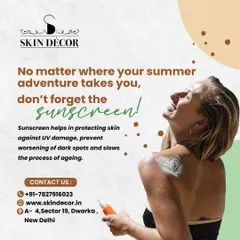
Sunscreen is the non-negotiable step for skin health. Whether you are managing pigmentation or preventing premature aging, understanding how to block UV rays correctly is your best line of defense.
This visual comparison of an orange shows the protective power of SPF. Sunscreen is the real MVP in your skincare routine, shielding your skin from damage and keeping it radiant.
This graphic outlines four key reasons to use sunscreen: it helps maintain an even skin tone, lowers cancer risk, prevents premature aging, and protects your skin from UV rays.
Why does UV protection always matter? UV rays cause skin aging, sunburn, and DNA damage. This exposure adds up over time, even during daily errands or on cloudy days.
Here are three simple ways to protect your skin from UV rays: seek shade during peak hours, cover up with clothing and hats, and apply SPF 30+ sunscreen every two hours.
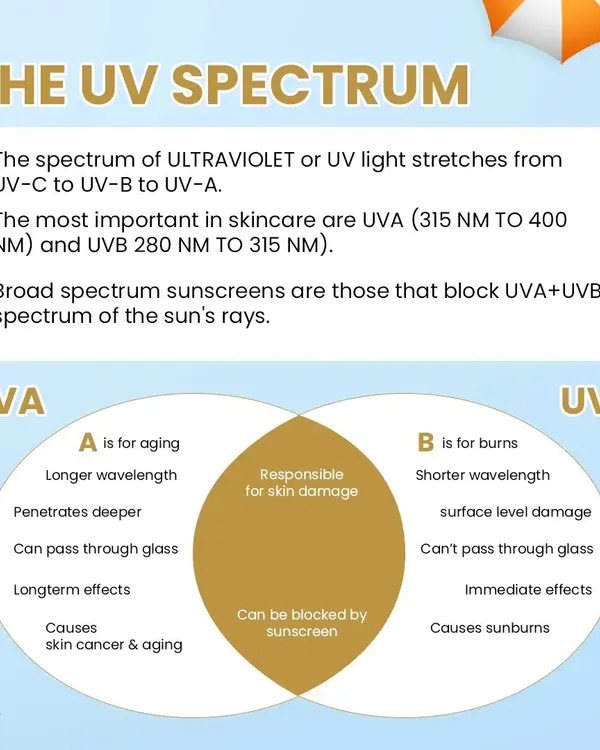
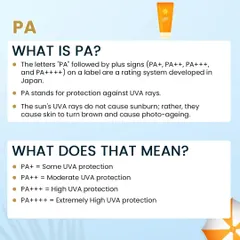
Always choose a broad-spectrum sunscreen to block both UVA rays, which cause aging, and UVB rays, which are responsible for burning and can lead to skin cancer.
It is a myth that pigment-rich skin doesn't need sun protection. Sunscreen use is just as essential for you if you have melanin-rich, darker skin tones to prevent damage and hyperpigmentation.
Skipping sunscreen is one of the biggest skincare mistakes. Neglecting to wear it daily can result in premature aging, sunburn, and an increased risk of skin cancer.
What is HEV (High Energy Visible) Radiation? This graphic explains that HEV, or blue light, is emitted by the sun and digital screens and plays a major role in causing hyperpigmentation.
Tinted sunscreens containing metal oxides like iron oxide and zinc oxide are gaining popularity, especially for melanin-rich skin, as they can protect against visible light.
But here's the catch: not all tinted sunscreens are equal. For optimal protection against blue light, look for formulas that combine multiple pigments, inorganic filters, and powerful antioxidants.
About The Foundation: Sun Protection
Most people assume any sunscreen will do, but I often see patients struggling with persistent pigmentation because their choice doesn't actually block the specific wavelengths causing their issues. If you have melasma or spend hours in front of screens, a standard chemical sunscreen might not be enough—you likely need broad-spectrum protection with iron oxides to block blue light. It is not just about applying SPF; it is about choosing the formula that actually works for your specific skin type and daily environment.
Why SPF is Non-Negotiable
Sun protection is the bedrock of any dermatological routine. It is the only way to prevent DNA damage that leads to pigmentation, uneven skin tone, and premature aging. If you are investing in treatments like chemical peels or laser toning, failing to protect your skin from UV rays is essentially undoing that progress.
The Science of Protection
- UVA Rays: These penetrate deep into the skin, causing aging and wrinkles.
- UVB Rays: These are responsible for immediate sunburn and are a primary factor in skin cancer.
- HEV (Blue Light): Emitted by sunlight and digital screens, this is often overlooked but plays a significant role in causing stubborn hyperpigmentation, particularly in melanin-rich skin.
Physical vs. Chemical Sunscreens
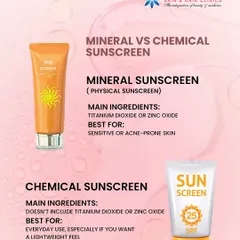
- Physical (Mineral) Sunscreens: These contain zinc oxide or titanium dioxide. They reflect UV rays and sit on top of the skin. They are typically the safest choice for sensitive skin as they are less likely to cause irritation.
- Chemical Sunscreens: These absorb UV rays and convert them into heat. While they are often more lightweight and cosmetically elegant, they require time to absorb (usually 15-30 minutes) before they become effective.
My Recommendation for Your Routine
If you suffer from pigmentation, look for tinted sunscreens containing iron oxides, as these provide better coverage against visible light. If you have sensitive skin, opt for physical or mineral sunscreens with an SPF of at least 30. Remember, sunscreen is not a 'summer-only' product; UV rays are present even on cloudy days, and indoor screen time adds up. Consistency is the only way to maintain your skin's health and radiance.
Similar work from other experts
Browse through Curated picks from other experts on mytribe
 7
7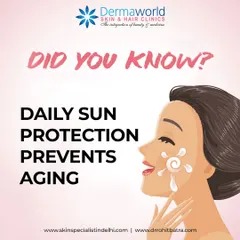

Sunscreen 101: Simple Steps for Real Protection


Sun Protection Essentials for Indian Skin
Sunscreen Guide: Find the Right Protection for Your Skin Type
Sunscreen School: Expert Guide for Indian Skin

Sun Protection Simplified: A Dermatologist's Daily Guide
 4
4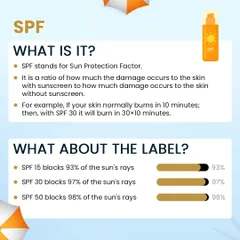
Sun Protection Guide: Expert Dermatology Advice
More from Pigmentation & Skin Brightening by Ankita Pant