Understanding Hair Loss: Causes & Diagnosis
Hair thinning is rarely just about one thing. Whether it is genetics, stress, or your styling habits, I help you cut through the confusion to find the real reason behind your hair fall.
Let's begin our discussion on Female Pattern Hair Loss, also known as FPHL. This is a very common condition I see in my clinic, and understanding it is the first step toward managing it.
FPHL is a specific type of hair thinning in women. It's primarily driven by a combination of genetic predisposition and hormonal changes that occur over time.
The classic presentation of FPHL is a gradual thinning of hair, most noticeably at the crown and along the hair partition. Unlike male pattern baldness, the frontal hairline typically remains intact.
Key symptoms of FPHL to watch for include diffuse thinning across the top of your head, an increase in daily hair shedding, and a visibly wider hair partition.
The two main causes of Female Pattern Hair Loss are genetics, meaning a family history of hair loss, and hormonal factors, such as the decrease in estrogen levels often seen post-menopause.
Certain factors can aggravate FPHL. These include underlying medical conditions like thyroid disorders or PCOS, nutritional deficiencies in iron or vitamins, and lifestyle factors like chronic stress or significant weight gain.
If you are experiencing symptoms of FPHL, a detailed evaluation with a dermatologist is crucial. I can provide a definitive diagnosis and create a personalized treatment plan for you.
It's normal to shed up to 100 hairs a day as part of the natural hair growth cycle. However, if you notice a consistent increase in shedding or visible thinning, it is time to investigate the underlying cause with a professional.
Are you noticing more hair shedding than usual? It could be a condition called Telogen Effluvium, where a significant number of hair follicles enter the resting phase at once.
Telogen Effluvium is a temporary form of hair loss often triggered by a shock to the system. Common triggers include significant stress, a recent illness, surgery, or nutritional deficiencies.
About Understanding Hair Loss: Causes & Diagnosis
Most people try to fix hair loss with a new shampoo or an oil, but that is rarely the answer. Hair fall is usually a symptom of an internal or external trigger—like hormonal shifts, nutritional gaps, or simple tension. My approach begins with a digital dermoscopy to look at your scalp up close, separating the root cause from the noise so we can build a treatment that works for your specific hair cycle.
Hair loss feels overwhelming because there is so much conflicting advice online. You might see ads for expensive oils or supplements, but without identifying if you are dealing with Androgenetic Alopecia (genetic pattern loss), Telogen Effluvium (stress-induced shedding), or Traction Alopecia (from tight hairstyles), you are likely just throwing money away.
The Diagnosis Process
When you come in for a consultation, we move past the guesswork. Using digital dermoscopy, I examine your scalp's health, hair shaft density, and follicular openings. This lets us distinguish between temporary shedding and permanent thinning. We also audit your internal health—checking ferritin, thyroid, and vitamin levels—and review your lifestyle factors like diet and stress management.
My Philosophy on Treatment
My goal is not to sell you a product, but to help you understand your hair. If it is genetic, we discuss FDA-approved management. If it is stress or nutrition-based, we fix the habit. We might use PRP therapy for regrowth, or simply correct your wash frequency and styling techniques. There is no overnight magic, but there is a clear path to healthier hair when you treat the root cause.
Similar work from other experts
Browse through Curated picks from other experts on mytribe
Identifying the Root Cause of Hair Loss
Understanding Hair Loss: Root Causes and Medical Solutions
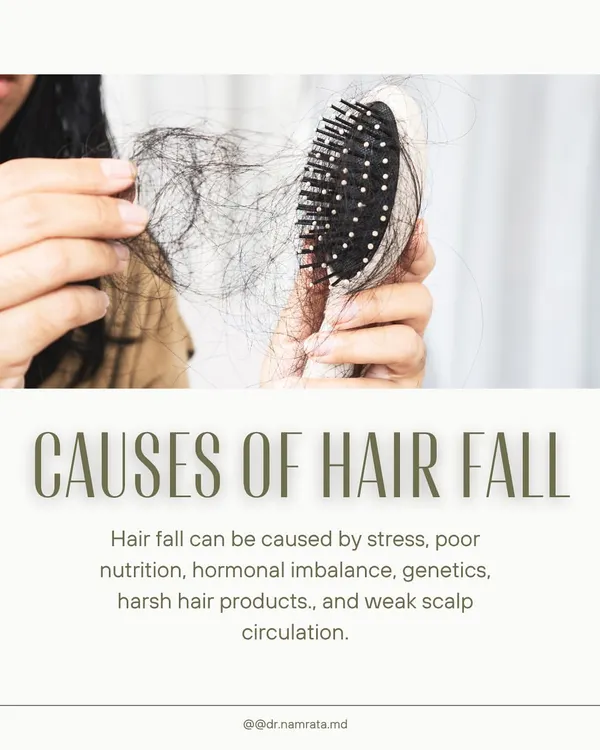 10
10Getting to the Root of Your Hair Loss
Finding the Root Cause of Hair Loss
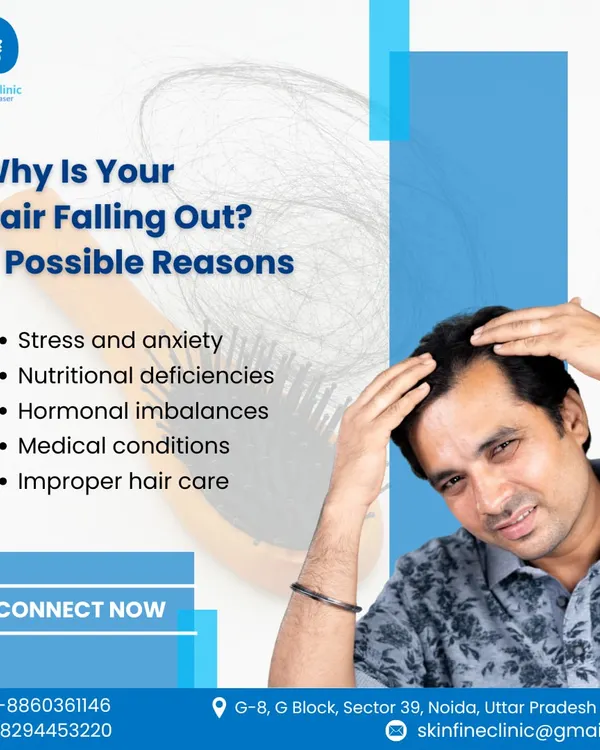 4
4
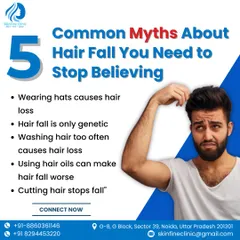
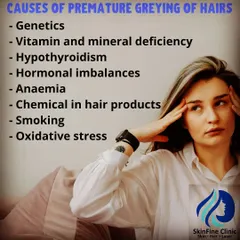
Understanding Hair Loss: Causes and Real Treatments
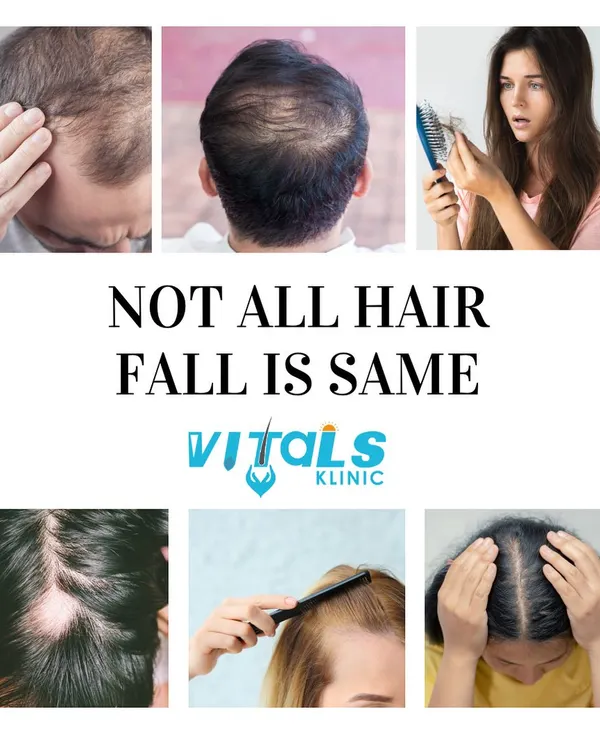 4
4
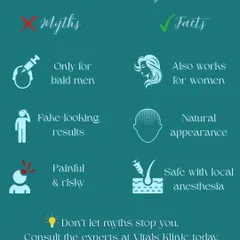
Understanding Hair Loss: Causes, Myths, and Solutions
More from Hair & Scalp Health Consultation (Trichology) by Preeti Havanur
More services by Preeti Havanur