Understanding Premature Greying: Science-Backed Advice
Finding grey strands in your twenties or thirties can be unsettling. Let's look at the science behind premature greying and determine what is actually manageable.
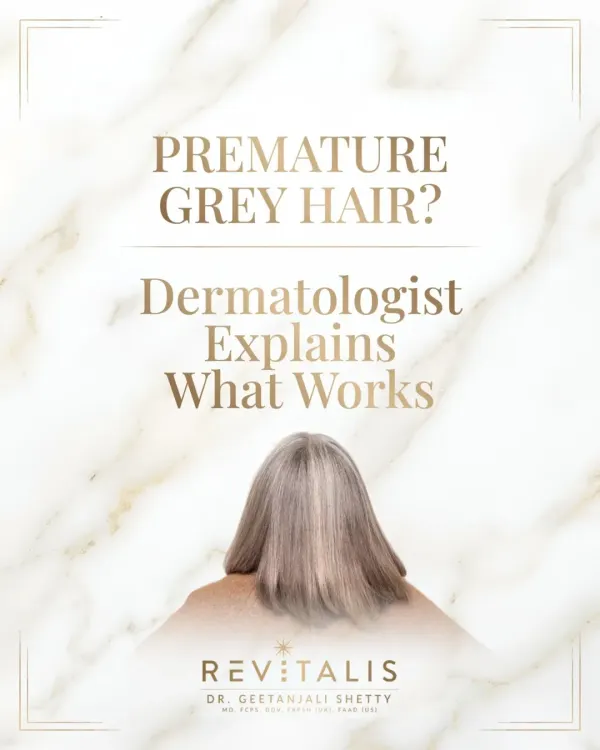
Spotting grey strands in your 20s or 30s? This is known as premature greying. I discuss the multiple factors that can cause this, including genetics, stress, nutritional deficiencies, and other health conditions, and explain how to approach it.
Can grey hair actually be reversed? The answer is complex. While age-related greying is permanent, greying caused by factors like extreme stress or specific nutritional deficiencies may sometimes be reversible once the underlying issue is corrected.
About The Science of Premature Greying
Finding grey hairs in your twenties or thirties often prompts a search for quick remedies, but the answer usually lies in your internal health. Whether it is a vitamin deficiency or a hormonal factor, we need to identify the specific trigger to manage it effectively. My approach focuses on accurate diagnosis rather than temporary cosmetic fixes, ensuring we address the root cause of your hair changes.
Why Premature Greying Occurs
Premature greying, defined as the appearance of grey strands before the age of 25 in Asian populations, is rarely caused by a single issue. It is often a complex interplay of internal and external factors:
- Nutritional Deficiencies: Low levels of Vitamin B12, Iron, Copper, or Vitamin D are common culprits that can disrupt melanin production.
- Genetic Factors: Your family history plays a significant role in determining when you start to grey.
- Lifestyle and Stress: Chronic stress and smoking are known to accelerate the ageing process of hair follicles.
- Underlying Health Conditions: Thyroid imbalances and autoimmune disorders can manifest as early pigment loss in hair.
Can It Be Reversed?
There is a common misconception that all premature greying is reversible. If the greying is driven by a reversible nutritional deficiency, correcting your levels through diet or targeted supplementation may help restore your natural color. However, if the cause is genetic, the process is generally permanent.
My Diagnostic Approach
Before recommending any treatment, I conduct a thorough assessment. This includes a review of your lifestyle, diet, and potentially a blood panel to check your internal health markers. My goal is to provide a clear, science-backed roadmap for your hair health, avoiding unnecessary products and focusing on what your body actually needs to function optimally.
Similar work from other experts
Browse through Curated picks from other experts on mytribe
 6
6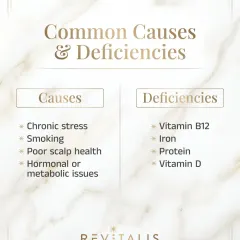


Managing Premature Greying: A Science-Backed Approach
Hair and Scalp Health: Evidence-Based Solutions
 10
10Getting to the Root of Your Hair Loss
Finding the Root Cause of Hair Loss
 11
11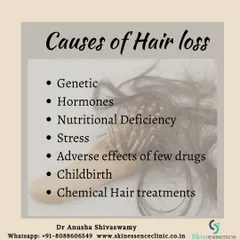
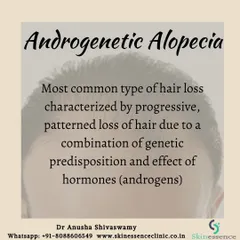
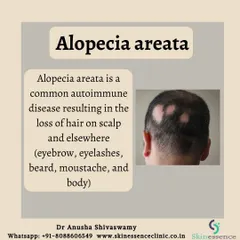
Understanding Your Hair and Scalp Health
 4
4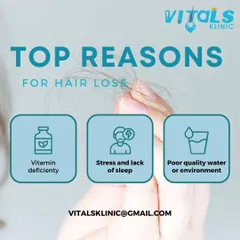
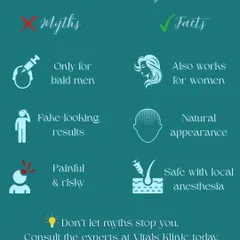
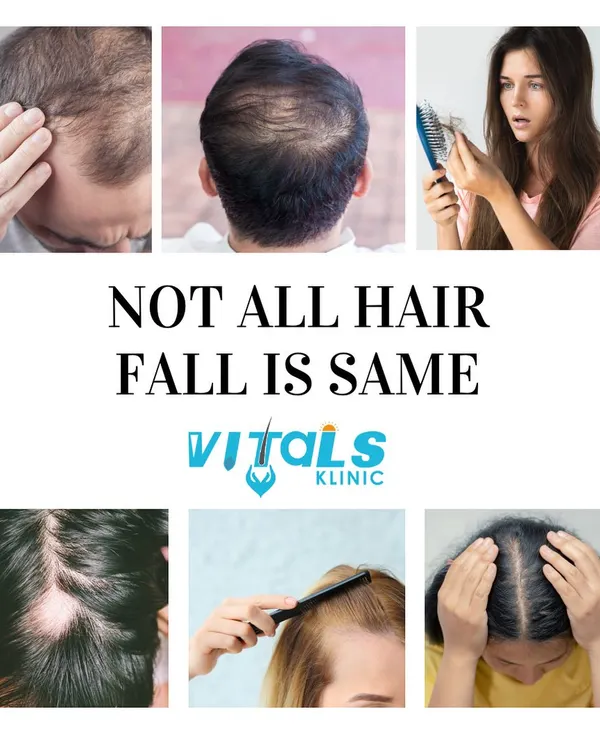
Understanding Hair Loss: Causes, Myths, and Solutions
More from Hair & Scalp Health Consultation (Trichology) by Preeti Havanur
More services by Preeti Havanur