Getting to the Root of Your Hair Loss
Hair loss is rarely just one thing. Before you try another oil or supplement, let us identify exactly why your hair is thinning.
Hair fall is complex and can be caused by many factors. This graphic provides a quick overview of common triggers, including stress, poor nutrition, hormonal imbalance, genetics, and weak scalp circulation.
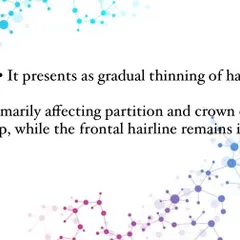
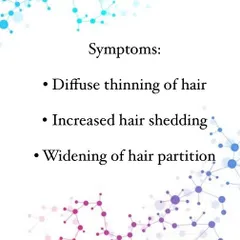
Female pattern hair loss often starts subtly. I demonstrate the key signs to watch for, such as a widening part, increased scalp visibility, and a receding hairline when you tie your hair back.
Your skin and hair can be windows to your internal health. This video explains how conditions like female pattern baldness or a sudden increase in facial hair can be signs of underlying hormonal issues like PCOD.
This video explains a condition called trichotillomania, or compulsive hair-pulling, often seen in children under stress. Early diagnosis and a supportive approach are key to preventing permanent scarring and hair loss.
Experiencing severe hair shedding a few months after an illness like dengue fever? This is a common condition called telogen effluvium. I explain that it is usually self-limiting and your hair will grow back.
If you are struggling with hormonal acne and hair fall, patience is key. Treatments like Myoinositol or Spironolactone can take 6 to 8 months to show results, so it is important to stick with your prescribed plan.
Quitting smoking can have amazing benefits for your hair and skin. Within months of quitting, you can expect improved skin complexion, reduced hair fall, and less visible fine lines as blood circulation is restored.
Are e-cigarettes or vapes a safer alternative for your hair? I explain that while they may have less nicotine, they are not nicotine-free and can cause similar damage to hair follicles as regular cigarettes.
The gels, waxes, and sprays you use to style your hair could be causing stubborn acne along your hairline. I explain what pomade acne is and share three simple ways to prevent it.
Sometimes, seemingly harmless habits can trigger skin and hair issues. I discuss four surprising triggers, including how hair oils dripping onto your face can clog pores and cause acne along the hairline.
About Understanding Hair Loss Triggers
Most people confuse sudden shedding, like after a viral fever, with permanent pattern baldness. These conditions are completely different. While stress-related shedding often corrects itself once your health recovers, pattern thinning requires early, targeted intervention. Identifying the root cause with dermoscopy is not just a clinical step; it is the only way to save you months of trial-and-error treatments that simply will not work for your specific hair type.
Finding the solution starts with understanding the problem. In my practice, I see patients who have spent years using the wrong products for the wrong type of hair loss.
Why Diagnosis Matters
Every scalp is different. We often rely on guesswork, but hair loss requires a clinical approach. Using a dermatoscope allows me to see follicle health and distinguish between transient issues, like telogen effluvium (common after illnesses like dengue or typhoid), and hormonal or genetic patterns like female or male pattern hair loss.
Common Triggers to Watch For
- Lifestyle & Habits: Smoking reduces blood flow to your hair roots, while common habits like using hair oils overnight or improper helmet use can clog pores along the hairline, leading to 'pomade acne.'
- Hormonal Factors: Conditions like PCOD or insulin resistance often manifest as thinning hair or excess facial hair. Treating the hair alone without addressing the internal hormonal balance is often ineffective.
- The 'Quick Fix' Trap: The internet loves DIY garlic, lemon, or onion juice hacks. Please avoid these. They can cause scalp irritation and delay the treatment you actually need.
My Approach
My goal is to stop you from hoarding products. We look at your health history, diet, and lifestyle to create a routine that actually works. Whether you need a medical prescription, a non-surgical GFC treatment, or a hair transplant, we start by ensuring it is necessary and effective for you. Don't wait until the thinning becomes significant—early diagnosis is the best way to preserve your hair density.
Similar work from other experts
Browse through Curated picks from other experts on mytribe

Identifying the Root Cause of Hair Loss
Finding the Root Cause of Hair Loss
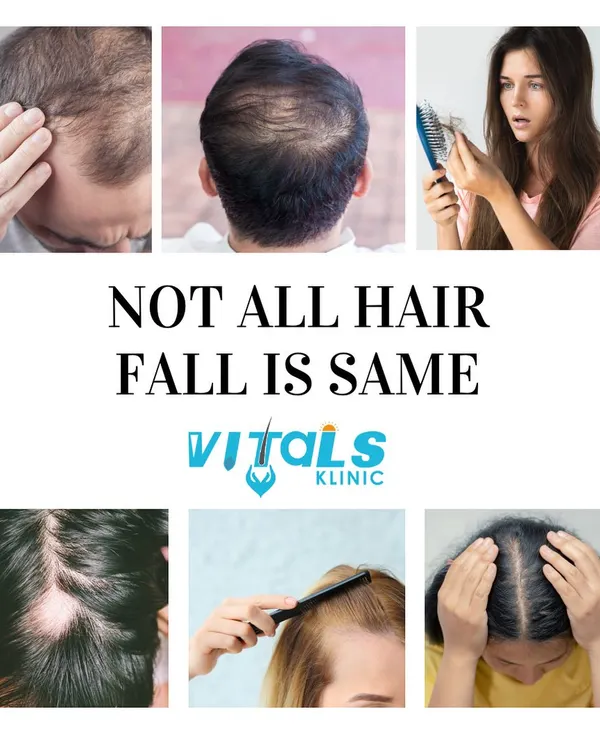 4
4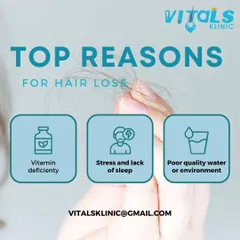
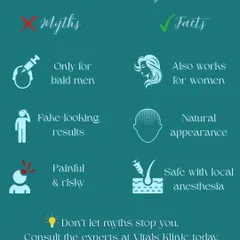
Understanding Hair Loss: Causes, Myths, and Solutions
Understanding Hair Loss: Root Causes and Medical Solutions
 5
5

Understanding Hair Loss: Causes, Solutions, and Expert Care
 24
24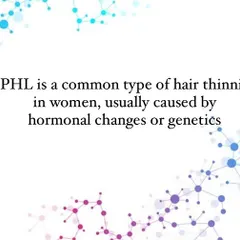
Understanding Hair Loss: Causes & Diagnosis
More from Hair Transplant & Hair Loss Treatment by Namrata Singh
More services by Namrata Singh