Daily Hair Care Tips and Science-Backed Routines
Your hair deserves more than just a random shampoo choice. Here are the daily habits, seasonal adjustments, and simple routines that actually protect your scalp and hair health.
To achieve healthy hair, it's crucial to avoid these four common mistakes. I explain why tight hairstyles, washing with very hot water, blow drying without a heat protectant, and sleeping with wet hair can all lead to significant damage and breakage.
Protecting your hair from UV damage is just as important as protecting your skin. Wearing a hat or using hair products with SPF can maintain the health of your hair strands, prevent color fading, and promote healthy growth.
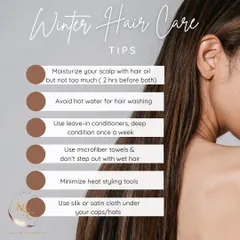
Winter air can be harsh on your hair, leading to dryness and brittleness. I provide my top tips for winter hair care, including using hydrating masks, avoiding hot water, and protecting your hair from cold winds to keep it nourished and happy.
The monsoon season brings high humidity, which can lead to frizzy hair, scalp infections, and increased hair fall. I discuss the top challenges for skin and hair during this season and which products you might want to avoid.
Love swimming but not what chlorine does to your hair? This is my ultimate guide to swim care. Learn pre-swim prep to minimize chlorine absorption and post-swim steps to remove residue and restore moisture.
About Your Daily Hair Care Playbook
Most people assume their hair is failing because of the products they use, but the real issue is often how they wash it—specifically using hot water or skipping the pre-wash prep. Start by switching to lukewarm water. It is a small, science-backed change that stops you from stripping your scalp of the natural oils it needs to stay healthy and prevents unnecessary frizz.
Building a Sustainable Hair Routine
Hair health is not about finding the most expensive product on the shelf. It is about understanding the biology of your scalp and hair shaft. When you tie your hair too tightly, you create traction alopecia, a form of hair loss that is entirely preventable. Similarly, sleeping with wet hair creates a damp environment on your scalp, which invites fungal issues and dandruff. My goal is to help you build a routine that respects these biological realities.
Seasonal Adjustments
Your hair needs change as the environment changes. During the monsoon, humidity causes the hair shaft to swell, which leads to increased frizz and breakage. In these months, I recommend focusing on gentle, sulfate-free cleansers. When winter arrives, the dry air strips away moisture, making deep conditioning and limiting heat styling essential to prevent brittleness.
Practical Tips for Daily Protection
- Swim Care: Chlorine acts like a chemical peel for your hair. Wetting it with fresh water before you enter the pool prevents the hair from absorbing chlorinated water, a simple but effective barrier method.
- Heat Protection: Never blow-dry hair without a heat protectant. Excessive heat alters the protein structure of your hair, leading to textural changes that are hard to reverse.
- The Scalp First Rule: A clean, balanced scalp is the foundation of growth. If you are dealing with persistent itchiness or flaking, it is usually a sign of an unbalanced microbiome, not just a need for a different conditioner.
Consistency beats intensity. You will see better results from a simple, disciplined routine followed daily than from occasional, aggressive hair treatments.
Similar work from other experts
Browse through Curated picks from other experts on mytribe
Daily Habits for Stronger, Healthier Hair
Essential Hair & Scalp Care Science
Essential Hair & Scalp Care


Your Daily Hair Care Routine: Science-Backed Advice for a Healthy Scalp


Your Guide to Healthy Hair: Simple Tips for Stronger Strands
 7
7

Understanding Your Hair Basics and Routines
More from Hair & Scalp Health Consultation (Trichology) by Preeti Havanur
More services by Preeti Havanur