Understanding Hair Loss: Causes and Real Treatments
Stop guessing why your hair is thinning. Dr. Abhinav Singh explains the science behind hair fall, separates common myths from facts, and details how professional diagnosis is the first step toward visible results.
Hair loss is often a symptom of an underlying issue. The most common reasons I see in my practice include stress, nutritional deficiencies like low iron or Vitamin D, hormonal imbalances from conditions like PCOS or thyroid, and improper hair care routines.
If you are experiencing sudden or excessive hair loss, noticing bald patches, or seeing no improvement from home remedies, it is time to seek a professional diagnosis. These are clear signs that an underlying medical cause may need to be addressed.
There is a lot of misinformation about hair fall. Believing myths like "cutting hair stops fall" or that "oiling alone is a cure" can delay effective treatment. I help my patients understand the real science behind hair health.
Premature greying can be caused by more than just genetics. Factors like vitamin deficiencies, thyroid issues, anaemia, and even stress can play a significant role. Identifying the cause is the first step in managing the condition.
About Understanding Hair Loss: Causes & Myths
When you visit my clinic, we do not start with treatments. We start with a 15-20 minute trichoscopy analysis. Using digital magnification, I look at your scalp to see follicle health directly on screen. This tells us exactly if your hair loss is due to hormonal changes, nutritional gaps, or lifestyle factors, so we can build a plan that actually addresses the root cause instead of just applying random products.
Why hair loss happens
Most people come to me after trying endless oils, shampoos, or home remedies. While oiling is fine for softness, it rarely fixes the underlying issue. Hair fall is often a symptom of something deeper. In my practice at Sector 39, I frequently see cases linked to thyroid issues, PCOS, nutritional deficiencies like low iron or Vitamin D, and chronic stress. Genetics play a role, but they are not the only factor.
Separating fact from myth
There is a lot of misinformation online. Cutting your hair shorter does not stop it from falling, and excessive shampooing is not the primary culprit for most. Believing these myths often delays the right diagnosis. My goal is to help you stop the guesswork.
The diagnosis process
We do not guess. My diagnostic process includes:
- History: A detailed conversation about your lifestyle, diet, and family history.
- Physical Assessment: A manual check for density and a pull test to assess current shedding.
- Digital Trichoscopy: High-magnification imaging to visualize your scalp health and identify follicle miniaturization.
- Lab Recommendations: If needed, I recommend specific blood panels to check your iron, B12, and hormone levels.
What happens next?
Once we identify the 'why,' we create a custom plan. This might include topical prescriptions like Minoxidil, oral supplements, or advanced therapies like GFC and PRP to stimulate growth. You will need patience, as hair cycles take time to respond, but the results are based on science, not temporary fixes.
Similar work from other experts
Browse through Curated picks from other experts on mytribe
 7
7


Understanding Hair Loss: Causes & Science-Backed Care
Identifying the Root Causes of Your Hair Loss
Finding the Root Cause of Hair Loss
Understanding Hair Loss: Expert Guidance on Causes & Care
 4
4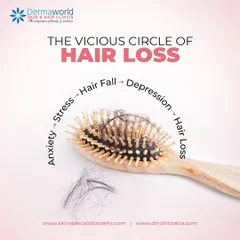
Understanding Hair Loss: Causes, Diagnosis & Real Solutions
Hair Care Questions Answered: Science-Backed Truths
More from Hair Loss Management by SkinFine Clinic
More services by SkinFine Clinic