Scalp Health and Dandruff Treatment Guide
Your scalp is the foundation for healthy hair. I help you move past marketing trends and address common issues like dandruff and seborrheic dermatitis with science-backed diagnosis and care.
Do you think dandruff only affects your scalp? Think again. This condition, known as Seborrheic Dermatitis, can also cause flaking and redness on eyebrows, in the beard area, and even on the chest. Treating the root cause is essential.
Ketoconazole is an antifungal medication primarily used for dandruff, but it has a powerful secondary benefit. It can help improve hair growth by lowering levels of DHT, a hormone linked to hair loss, making it a useful adjunctive treatment.
Here are some quick, targeted hair care tips. For an itchy, flaky scalp, I often recommend a ketoconazole-based shampoo. For hair loss, a peptide serum can help strengthen follicles, while a moisturizing conditioner is best for frizz.
About A Healthy Scalp is a Happy Scalp
Before you buy another anti-dandruff product off the shelf, stop and consider what your scalp is actually asking for. Is it flaking from seborrheic dermatitis, or is it just dry from over-washing? Many patients come to me having spent weeks using harsh scrubs that only irritate the skin further. Let’s identify your specific triggers so we can use the right ingredient—like ketoconazole—only where and when it is actually needed, rather than guessing your way through your hair care routine.
Understanding Your Scalp
Scalp health is frequently misunderstood. We often treat the hair strand when the root cause lies in the scalp's microbiome. If you are dealing with persistent flaking, redness, or an itchy scalp, it is rarely just 'dryness.' It is often seborrheic dermatitis—an inflammatory condition that requires a medical approach, not just a cosmetic one.
Why Ingredients Matter
I prefer using targeted therapies rather than generic products. For example, ketoconazole is a powerful tool in my kit. It does more than fight the fungi that cause dandruff; it also helps lower DHT levels on the scalp, which is a key factor in androgenetic hair loss. Using it correctly—twice a week, as an adjunctive treatment—can significantly boost your scalp health and hair density. However, it is not a 'one-size-fits-all' solution, and misuse can lead to dryness.
The Diagnostic Approach
My consultation process is designed to cut out the guesswork:
- Symptom Identification: We differentiate between simple dandruff, oily buildup, and scalp inflammation.
- Routine Analysis: I look at your current shampoo and conditioner choices, as ingredients like sulfates and parabens often worsen scalp irritation.
- Lifestyle Factors: Your stress levels, diet, and even the water quality in your area play a massive role in scalp health.
My Philosophy on Hair Care
I do not offer overnight miracles. My goal is to help you build a sustainable routine. Whether we are managing a flare-up or establishing a preventative regimen, the focus is always on consistency and using scientifically validated ingredients. If you are tired of the cycle of trying products that don't work, let's look at your scalp's specific needs and build a plan that delivers results.
Similar work from other experts
Browse through Curated picks from other experts on mytribe
Scientific Guide to Scalp Health and Hair Care
Scalp Health: The Foundation for Hair Growth
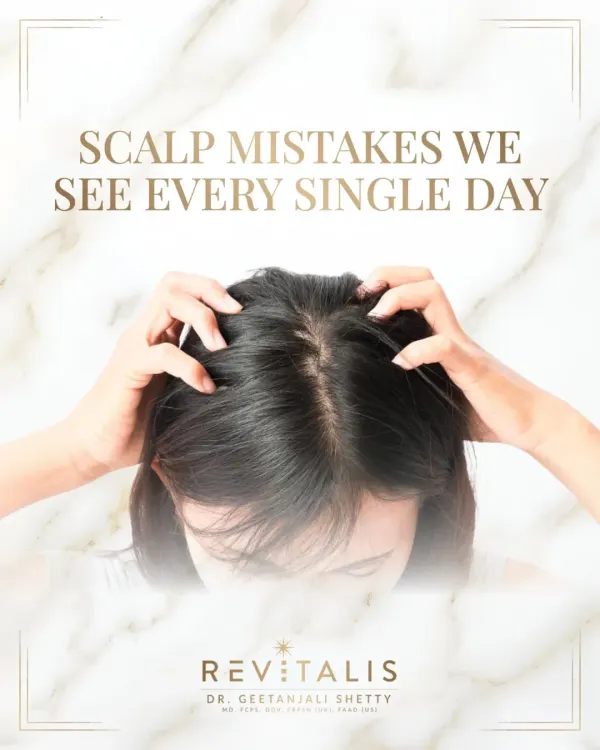 12
12
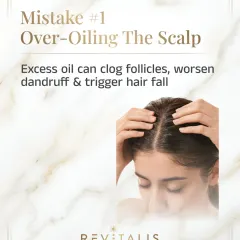

The Scalp-First Approach to Healthy Hair
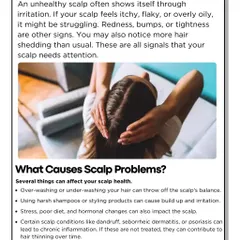
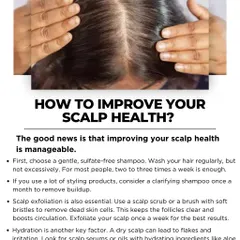
Expert Solutions for a Healthy Scalp and Hair
Hair and Scalp Health: Evidence-Based Solutions
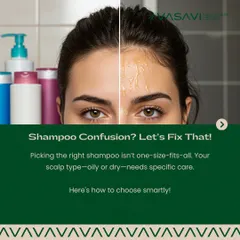
Expert Hair and Scalp Health Treatment
More from Hair & Scalp Health Consultation (Trichology) by Preeti Havanur
More services by Preeti Havanur