Expert Hair and Scalp Health Treatment
Healthy hair begins with a healthy scalp. I help you move past trial-and-error products to identify the root cause of your hair loss, dandruff, or scalp irritation.
A complete haircare routine involves more than just shampoo. This visual explains the role of each step: hair oil for nourishment, shampoo for cleansing, conditioner for smoothing the hair shaft, and a hair mask for deep treatment. Using the right products in the correct order is key.
Dandruff is a common scalp condition, but what actually causes it? This animation shows how an overgrowth of the Malassezia fungus, combined with excess oil, can lead to the formation of flakes. I offer treatments that target the root cause, not just the symptoms.
For healthy, strong hair, it is important to follow a consistent care routine. This includes gentle oil massages, using the right shampoo for your scalp type, getting regular trims to prevent split ends, and limiting heat styling. For persistent issues like hair fall, I offer advanced treatments like PRP and GFC.
Choosing the right shampoo can be confusing. The most important factor is your scalp type, not your hair type. This guide helps you determine if your scalp is oily or dry so you can select a product that provides the specific care you need.
The first step in choosing the right hair products is to know your scalp type. A dry scalp often feels tight, flaky, or itchy, while an oily scalp may feel greasy within a day or two of washing. This simple distinction is fundamental to building an effective haircare routine.
If you have an oily scalp, look for a clarifying or balancing shampoo. Ingredients like salicylic acid, tea tree oil, or charcoal can help control excess oil. It is best to use light, non-creamy formulas that cleanse effectively without weighing your hair down.
When you have an oily scalp, it is important to avoid certain habits. Heavy or creamy shampoos can worsen buildup, and frequent, heavy oil massages can sometimes clog pores. I help my patients find the right balance for their scalp health.
For a dry, itchy, or tight scalp, a moisturizing shampoo is essential. I recommend looking for sulfate-free formulas with hydrating ingredients like aloe vera, glycerin, or shea butter to nourish the scalp without stripping its natural oils.
If you have a dry scalp, it is important to avoid products and habits that can worsen the condition. This includes clarifying shampoos, products with strong fragrances or alcohol, and washing your hair too frequently. Sticking to 2-3 times per week is usually sufficient.
Many believe that oiling the scalp is the secret to healthy hair, but there are many myths. This series debunks common misconceptions, such as the idea that more oil equals more growth or that leaving it on overnight is always best. Proper technique is crucial.
About Hair & Scalp Health
You might be treating symptoms while the real issue goes unnoticed. Whether it is persistent dandruff, unexplained hair thinning, or a dry scalp, the answer rarely lies in just switching your shampoo. In my clinic, we perform a dermatoscope-aided scalp analysis to look past the surface and identify triggers like hormonal imbalances, nutrient deficiencies, or environmental factors.
Moving Beyond Trial and Error
Many patients come to me having tried multiple shampoos, oils, and home remedies, only to find their condition remains unchanged. Hair health is complex. It is governed by internal factors like your hormone levels, nutrition, and stress, as well as external factors like the hard water in your locality or the specific ingredients in your hair products.
Why Clinical Diagnosis Matters
When you visit my clinic in Thanisandra, I do not guess. I use specialized diagnostic tools, including a dermatoscope, to examine your scalp and hair density at a microscopic level. This allows me to differentiate between conditions that look similar but require opposite treatments. For example, excessive oiling can worsen dandruff in some patients while providing necessary moisture for others. Using a generic product without understanding your specific scalp type can lead to product buildup, clogged pores, and increased hair fall.
Debunking Hair Care Myths
- Oiling: Many believe oiling is a universal cure for hair growth. In reality, over-oiling or leaving oil on your scalp overnight can attract dirt, clog follicles, and feed the yeast responsible for dandruff.
- Shampooing: The common mistake is choosing products based on hair length rather than scalp type. If you have an oily scalp, you need a clarifying product. If you have a dry scalp, you need hydration without stripping natural oils. There is no one-size-fits-all solution.
My Approach to Treatment
My goal is to restore the balance of your scalp. After we determine the root cause, I work with you to build a routine that is sustainable and effective. This might include medical-grade treatments, adjustments to your daily regimen, or dietary guidance. If your condition requires advanced intervention, I provide options like GFC or PRP therapy, always explaining the science behind why it is the right choice for your specific hair and scalp health.
Similar work from other experts
Browse through Curated picks from other experts on mytribe
Hair and Scalp Health: Evidence-Based Solutions
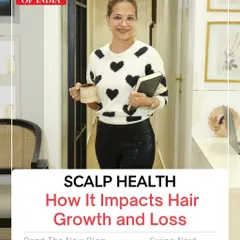
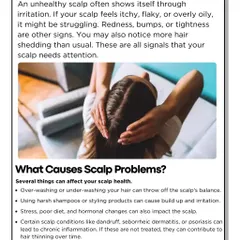
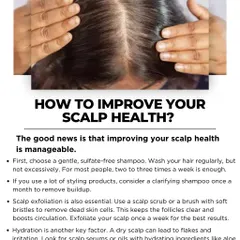
Expert Solutions for a Healthy Scalp and Hair
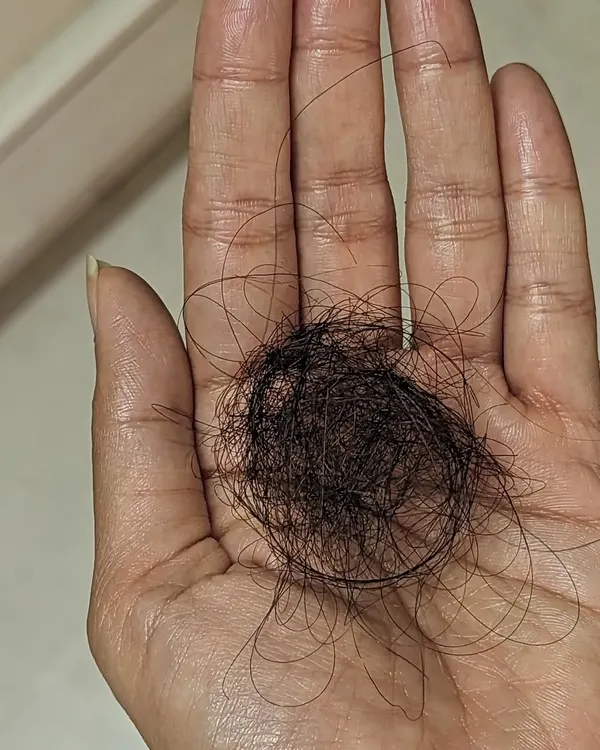 5
5
Hair & Scalp Health: Moving Beyond Common Myths
Understanding Hair & Scalp Health in Delhi and Gurugram
Holistic Hair Care and Root Cause Analysis
Expert Hair & Scalp Health Consultation
More from Dermatology Consultation by Sree Vasavi