Guru Kripa and My Musical Lineage
Music is a journey that begins with a teacher. Here is the foundation of my art, the tradition passed down by my father, and the moments that shaped my path.
The first time sharing a video playing with my father and Guru. This is the essence of the Guru-Shishya tradition, learning directly from the master.
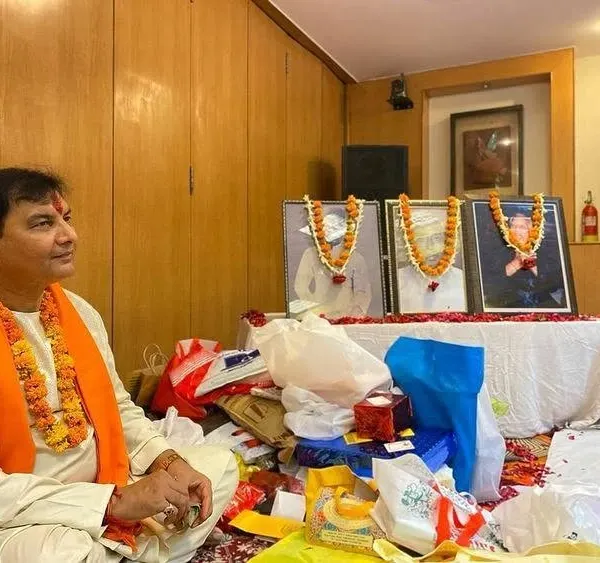
A sacred moment during Guru Purnima, a day for honoring the guru. This tradition of respect and devotion is at the heart of my teaching.
The 'Ganda-Bandhan' ceremony, where the guru ties a thread around the disciple's wrist, symbolizing the formal acceptance into the musical lineage.
Seated beside my Guru with our tablas after the Guru Purnima ceremony.
A moment from the Guru Purnima ceremony in 2023, continuing the tradition.
Receiving the sacred thread from my Guru during the 2023 Guru Purnima.
Applying a tilak to my Guru's forehead as a mark of respect and gratitude.
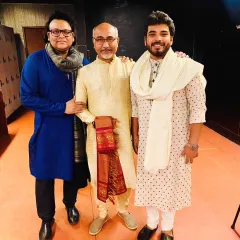
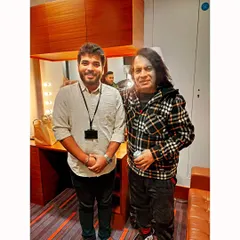
Then and now. Re-creating a photo with the God of Music, Ustad Zakir Hussain ji, after 19 years. His artistry is a constant source of inspiration for every tabla player.
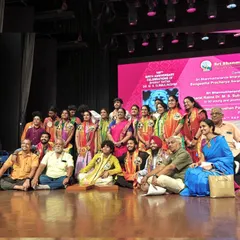
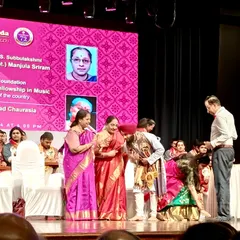
A cherished, unexpected moment meeting Ustad Zakir Hussain ji after a concert. His humility and kindness are as legendary as his music.
A selfie with Ustad ji. A million-dollar picture for me and a memory I will always treasure.
About Guru Kripa: My Lineage and Inspirations
In music, we say that the path is just as important as the destination. The Guru-Shishya parampara is not just a concept, it is how I learned every stroke. When you join my class, we spend time on the basics, ensuring your hand placement (nikas) and the sound quality are correct before we move to complex compositions. It is about building a foundation that stays with you, rather than just rushing through a syllabus.
My journey with the Tabla and Pakhavaj is rooted in the lessons I received from my father and Guru, Shri Naveen Kumar. This lineage is the heart of everything I teach in my Delhi studio and across the NCR region.
Learning the Traditional Way
When you start learning with me, we focus on the oral tradition. You will learn to recite the rhythms (padhant) before you play them. This builds a deep connection between your mind and your hands, helping you understand the grammar of Indian classical music. Whether we are practicing Teentaal or working on intricate Kaidas, the goal is always clarity and precision.
What You Get Out of Our Classes
- Individual Correction: Even in group batches, I keep the size small so that every student gets personal attention. I check your posture and finger alignment, ensuring you do not pick up habits that are hard to fix later.
- Theory and Practice: We do not just play instruments. We cover the grammar—Laya, Matra, and Vibhag—so you understand why a composition is structured the way it is.
- Flexible Learning: Whether you want to perform solo, accompany a vocalist, or just find peace through the sound of the Tabla, the lessons are tailored to your goals. You can opt for 1-on-1 sessions for intense, undivided attention, or join our group modules to learn how to play in an ensemble.
I believe that music is a constant practice. While I provide the path and the techniques, your daily riyaaz is what turns the lessons into your own expression. If you are ready to start this journey, I am here to help you take the first step.
Similar work from other experts
Browse through Curated picks from other experts on mytribe
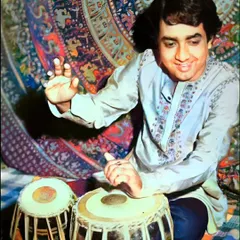
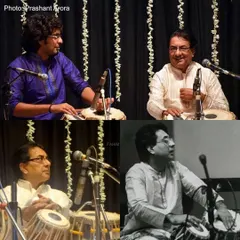
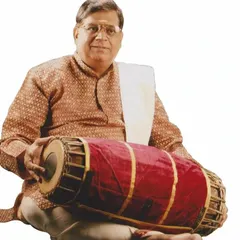
My Musical Lineage and Artistic Inspirations
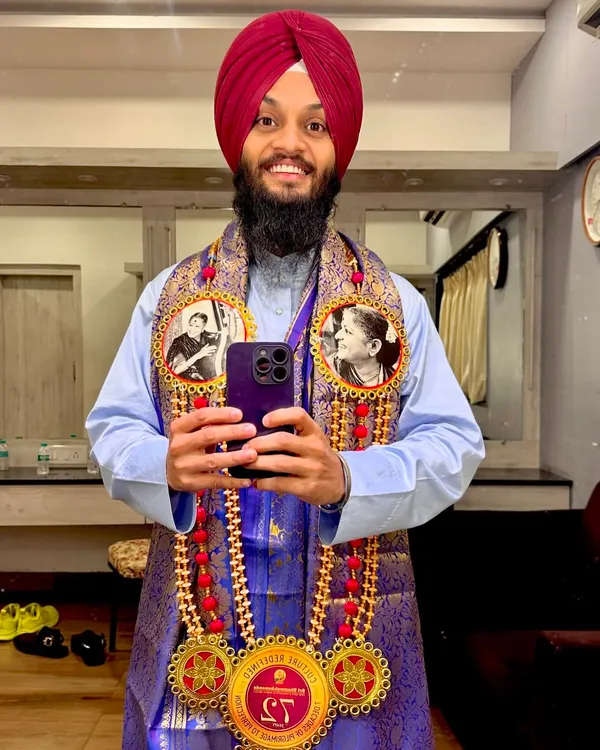 14
14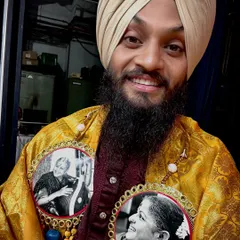
My Musical Journey & Lineage: Learning from the Masters
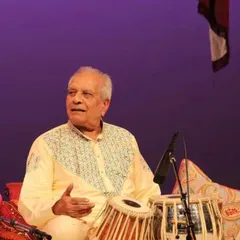
My Gurus and the Rampur Senia Gharana
 5
5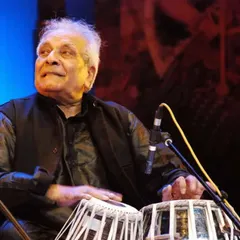
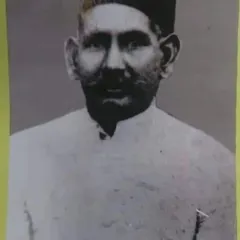
The Ajrada Gharana Lineage: Preserving Our Tabla Heritage
 4
4
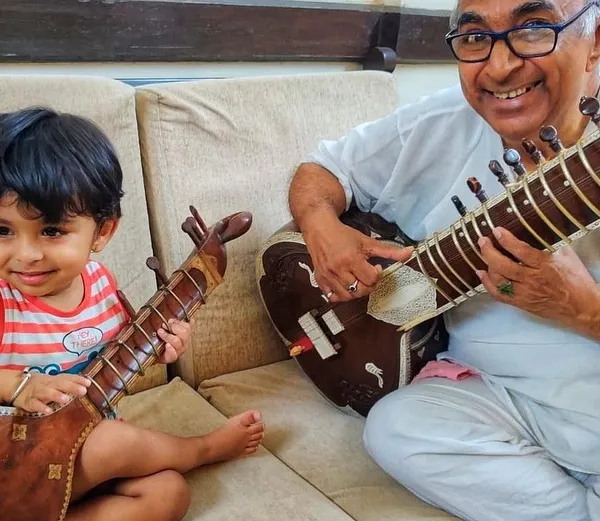
Learning Sitar the Traditional Way
 4
4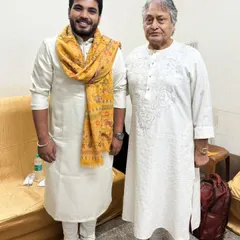
Performances with Musical Legends
More from Tabla & Pakhavaj Instruction by Divyanshu Kumar
More services by Divyanshu Kumar