Zines and Narrative Art Illustration
I explore complex, non-linear stories through experimental print and sequential art, blending the surreal with the intimately familiar.
The cover of my experimental zine on nostalgia. The melting, distorted portrait and retro typography set the stage for a journey through oddly personal and surreal memories, printed using the unique Risograph technique.
A spread from the "Nostalgia" zine, focusing on sensory memories. This page visualizes how smells and tastes can transport us back in time, using imagery of food, drink, and intimate moments to evoke a feeling of bittersweet recollection.
This page from my zine delves into the comforting and sometimes regressive nature of nostalgia. The imagery of a figure in a womb-like state juxtaposed with a cup of tea explores the feeling of wanting to retreat to a safer, simpler past.
Another spread from the zine, this time touching on the technology and media of the past. A classic walkman and a flip phone are used as symbols of a bygone era, exploring how objects can trigger powerful nostalgic feelings.
This illustration from the zine deals with the more cynical and toxic side of nostalgia. The imagery of venus flytraps, melting popsicles, and a broken heart on a phone screen captures the feeling of being trapped by past relationships.
A layered paper sculpture I created to explore reflections and perceptions of the self. This three-dimensional piece uses cut-out layers to create depth and illusion, showing how I experiment with physical media to tell narrative stories.
About Zines & Narrative Art
Working with Risograph printing for these zines changed how I approach narrative art. Because it uses a three-color layering process, you get vivid, textured outcomes that feel inherently handmade. It is a slow, tactile medium that forces you to think about every layer of the page, moving away from the clinical perfection of digital design to something with real weight.
The Art of the Story
My approach to narrative art isn't just about making something look good. It is about how we process memories and emotions. The 'Nostalgia' zine featured here, for instance, uses a non-linear structure to mirror how we actually remember things—in fragments, sensations, and recurring symbols like a melting popsicle or an old flip phone.
Why Risograph?
I often recommend Risograph printing for zines and independent publications because of its unique aesthetic. It produces rich, vibrant spot colors and textures that digital offset printing simply cannot replicate. It’s perfect for projects that need a punk, tactile, or artistic edge. If you are looking to create a narrative booklet or a series of art prints, this medium adds a layer of depth that changes how the reader interacts with the work.
Beyond the Zine
While I love the tangible nature of zines, the storytelling principles here apply to all my illustration work. Whether it is an editorial spread for a publication, a book cover, or a series of posters, I look for the 'liminal'—those spaces between things where the real story lives.
Common Questions:
- Can you handle custom narrative projects? Yes, I thrive on projects that require conceptual depth, from fiction contest posters to long-form storytelling.
- Do you only do print? No, while I love print and zines, I work extensively with digital illustration and motion graphics. My narrative style is adaptable to any format.
- How do we start? We begin by discussing the mood and the 'emotional ecosystem' of your project, rather than just the visual assets.
Similar work from other experts
Browse through Curated picks from other experts on mytribe
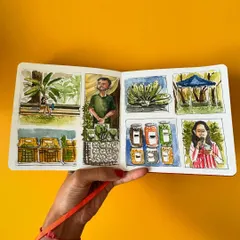
My Sketchbook Stories
Creative Art Experiments and Custom Sketching
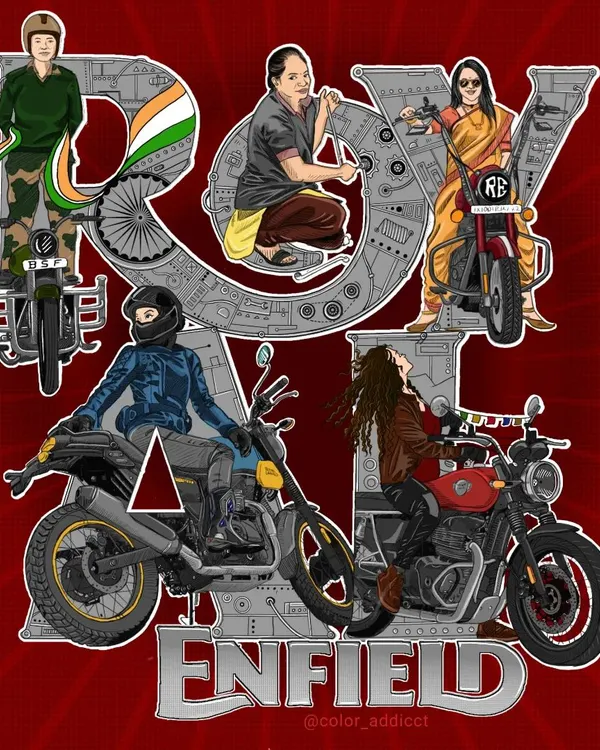 31
31
Vibrant Digital Illustrations That Tell Your Story
 19
19
Story-Driven Conceptual Art & Cultural Paintings
 11
11
Custom Digital Illustrations & Creative Coffee Art
 8
8
My Favorite Custom Art Projects
More from Animated Illustration by Noopur Choksi
More services by Noopur Choksi