Coding for a Cause: Our Community Outreach Initiatives
I believe technology education should be accessible to everyone. Here is how my students and I collaborate with schools and foundations to bring coding skills to new learners.
This image marks our inspiring collaboration with STEAM Vision Foundation, where my students taught the basics of coding to learners at Nai Disha. It was a powerful experience of peer-to-peer mentorship.
A summary of what our mentorship workshop with Nai Disha was about. Over multiple sessions, students built their own games and designed flyers, many experiencing coding for the very first time.
Meet Abhayudaya, one of our student mentors who taught Scratch to learners at Nai Disha. His session focused on building interactive Maze Puzzle Games, exploring the power of block-based coding together.
This is Avi, an 8th-grade coding enthusiast who served as a mentor in our outreach program. He taught the basics of block-based coding in a fun and interactive way to his peers.
Navya, another one of our student mentors, guided learners through a Scratch game-making session. Her experience highlights the confidence and joy that comes from sharing knowledge through code.
Saksham led a fun and interactive Canva workshop as part of our mentorship program. It was amazing to see the creativity and eagerness to learn as students designed their own flyers.
A snapshot from my inspiring coding session at Spandan Academy, where I introduced students to animation and storytelling through Scratch. It was a deeply enriching experience filled with curiosity and connection.
The students of Spandan Academy are seen here, fully engaged and collaborating during our Scratch coding session. It was wonderful to see them light up with ideas and work together on their projects.
A closer look at the students' work during the Spandan Academy workshop. This image shows the Scratch interface on their laptops, where they are building logic for their animations and stories.
About Coding for a Cause: Community Outreach
I have found that the most effective way to teach coding is not top-down, but through peer mentorship. My advanced students, such as Abhayudaya and Navya, take the lead in these outreach sessions, explaining concepts like Scratch and Canva to younger learners. This approach builds confidence in the student mentor while making complex logic feel approachable and fun for the participants.
Bridging the Tech Gap
At Code Minors, our outreach philosophy is simple: tech education should not be a privilege. We partner with organizations like the STEAM Vision Foundation, Nai Disha, and Spandan Academy to conduct workshops where my students teach younger peers the basics of programming and design.
How We Teach
We focus on two core areas during these sessions:
- Block-Based Coding (Scratch): We use Scratch to teach algorithmic thinking without the barrier of complex syntax. Students build maze games and interactive stories, learning about loops and conditionals in the process.
- Creative Digital Skills (Canva): We teach students how to design their own flyers and digital art. It introduces them to the practical applications of software, proving that creativity and technology go hand in hand.
Why Peer Mentorship Works
When I have students like Avi or Navya teach a session, the energy changes. The younger learners feel more comfortable asking questions, and the student mentors learn how to break down complex ideas into simple, actionable steps. It reinforces their own learning while fostering a community of empathy and support. Whether we are hosting a session in Mumbai or virtually connecting with students in Ladakh, our goal remains the same: proving that anyone can be a creator, not just a consumer, of technology.
Similar work from other experts
Browse through Curated picks from other experts on mytribe
 8
8
Coding and Robotics Classes for Kids
Our STEM Learning Community in Mumbai
Coding & Future Tech Skills for Kids
 11
11
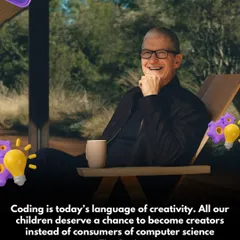
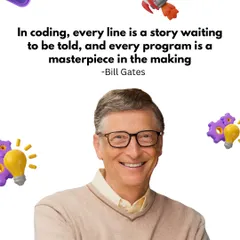
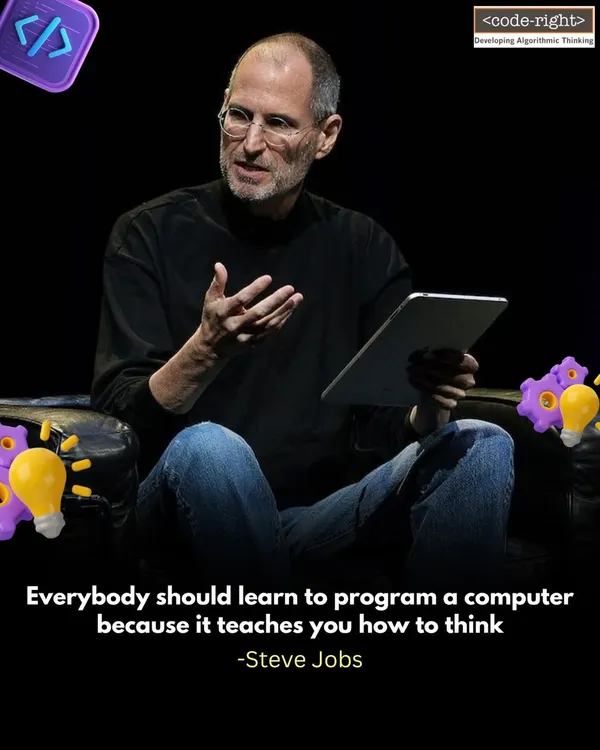
Lessons in Logic: How Tech Leaders View Coding
 7
7
Meet the Mentors Building India's Future Innovators
Meet the Vision Behind Roboprenr Robotics
More from Coding & Tech Programs for Kids (Ages 6-18) by Code Minors
More services by Code Minors