Celebrating Tech Milestones & Inspiring Young Coders
At Code Minors, we look beyond the syntax to see how coding shapes history. From lunar missions to visionary entrepreneurs, we use real-world wins to spark curiosity in every student.
Celebrating India's historic Chandrayaan-3 moon landing. This event is a monumental achievement for ISRO and a huge inspiration for young tech enthusiasts everywhere.
This graphic explains how coding was used in the Chandrayaan-3 mission. It breaks down how algorithms were used to identify trajectories, control systems, and program sensors.
Continuing the breakdown of coding's role in Chandrayaan-3, this post explains how it managed communication systems and controlled robotic rovers. It connects our lessons to real-world space exploration.
An introductory graphic for our International Women's Day series, celebrating 5 women programmers who changed the world. We honor the trailblazers who shattered glass ceilings in technology.
Celebrating Ada Lovelace, the world's first programmer. In the 1840s, she wrote the first machine algorithm, laying the groundwork for modern computing.
Honoring Radia Perlman, often called the "Mother of the Internet." Her algorithm for the Spanning Tree Protocol was fundamental to the operation of network bridges.
A tribute to Hedy Lamarr, a tech inventor who co-invented 'Frequency Hopping'. This ingenious technology prevented secret messages from being intercepted during WWII.
Celebrating Margaret Hamilton, the NASA tech genius who led the software team for the Apollo moon landing. Her work on error detection and recovery was critical to the mission's success.
Honoring Joan Clarke, the Enigma codebreaker. Her brilliant work with Alan Turing during WWII saved countless lives and showcased the power of logical problem-solving.
An introduction to our series on 5 business moguls who started with coding. This series aims to inspire young coders by showing them where their skills can lead.
About Celebrations & Inspirations
I do not just teach students to write code; I teach them to understand the logic behind global breakthroughs. When we look at how ISRO used algorithms for Chandrayaan-3 or how pioneers like Ada Lovelace laid the foundations for modern computing, students stop asking 'why do I need to learn this' and start asking 'what can I build with this'. It is about turning abstract concepts into tangible inspiration before we ever open an IDE.
Why History Matters in the Classroom
Many parents assume coding is strictly about typing syntax. At Code Minors, we believe it is equally about understanding the impact of technology. By dissecting historic moments—like the software ingenuity that landed Chandrayaan-3 on the lunar south pole or the groundbreaking math of early programmers—we help students connect their classroom work to reality.
The 'Coding Giants' Approach
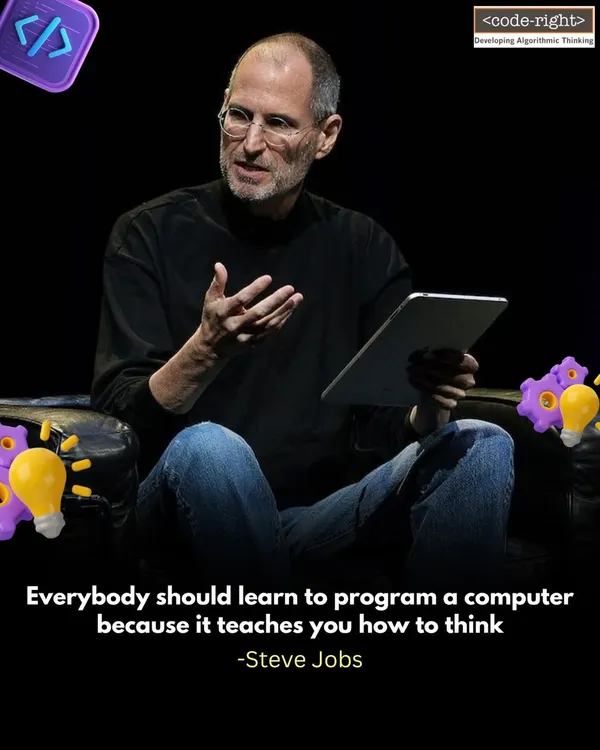
Our 'Celebrations & Inspirations' series is more than just a history lesson. It is a curriculum strategy. When a 10-year-old learns how Mark Zuckerberg or Elon Musk applied early coding skills to build something entirely new, they stop viewing programming as just another subject. They start seeing it as a toolkit for their own ideas.
Integrating Logic into Learning
We bridge this inspiration directly into our modular courses:
- For Beginners: While learning Scratch, we discuss the logic systems that control everything from space rovers to smart home devices.
- For Intermediate Students: During Python or Web Development modules, we analyze how those same languages power the platforms they use every day.
- For Advanced Learners: Our AI and App Development sessions focus on the same type of ethical hacking and neural network principles that have defined the tech giants we highlight.
Whether your child is just starting with block-based Scratch or moving toward professional Python certification, our goal remains the same: to ensure they understand that they are not just consumers of technology, but the creators of the next big breakthrough.
Similar work from other experts
Browse through Curated picks from other experts on mytribe
 8
8
Coding and Robotics Classes for Kids
 11
11
Lessons in Logic: How Tech Leaders View Coding
 4
4
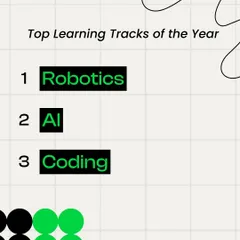
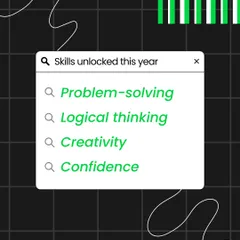
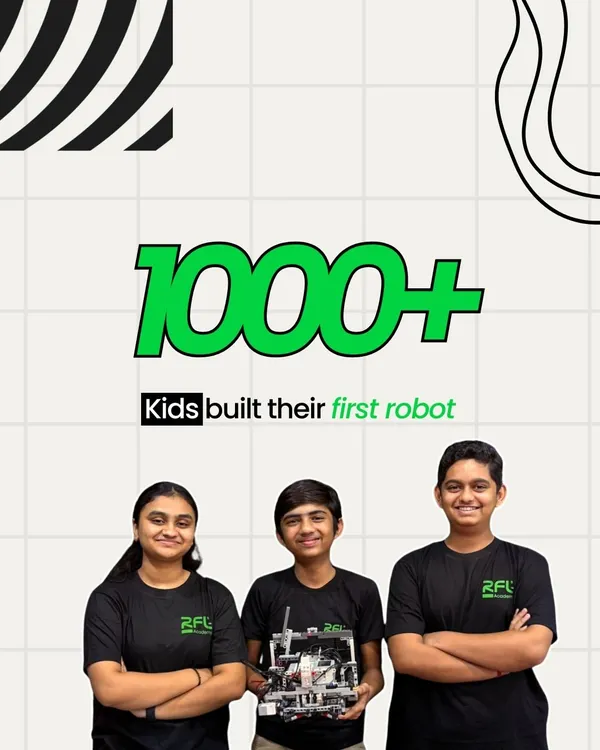
RFL Academy: Celebrating Our Milestones in Robotics
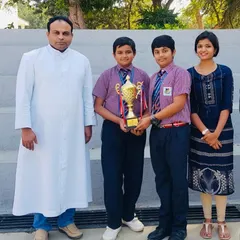
Our Journey in Robotics & STEM Education
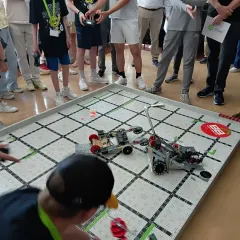
Our Competition Wins & Innovation Milestones
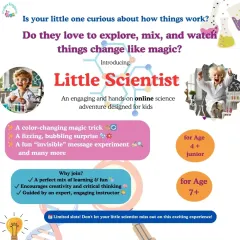
Fun Online Coding and Math Classes for Kids
More from Coding & Tech Programs for Kids (Ages 6-18) by Code Minors
More services by Code Minors