Apps, Games, and Websites Built by Students
At Code Minors, we believe in learning by doing. From functional websites to social-impact AI apps, see the real-world projects my students build from scratch.
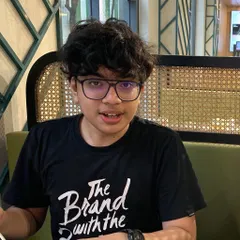
This is 14-year-old Sri, the creator of the 'Travel Express' website, working on her project. It shows the hands-on process of turning an idea into a functional website, a core part of my web development curriculum.
The homepage of the 'Travel Express' website, designed and built by one of my Grade 9 students. The site allows users to explore dream vacation spots, showcasing her skills in creating a visually engaging user interface with HTML and CSS.
A look at the 'Top Destinations' feature on the 'Travel Express' website. This section demonstrates the student's ability to structure information and create an interactive user experience, allowing visitors to navigate through different continents.
A quote from Sri, the student who built the travel website, explaining how the project helped her apply her HTML skills. Her testimonial highlights the supportive structure I provide to help students troubleshoot challenges and gain confidence.
Announcing our students' participation in the prestigious Technovation challenge, where they built an app from scratch. This is where young innovators turn their coding skills into real-world solutions.
This is the animated pitch video for 'Zero Spoils', an AI-powered app created by my students to combat food waste. The app helps users track expiry dates and find recipes, aligning with UN Sustainable Development Goals 2 and 12.
This graphic explains the mission behind the 'Zero Spoils' app. It highlights the problem of food wastage and introduces the app's goal of promoting mindful consumption, showing how we encourage students to use tech for social good.
A feature of the 'Zero Spoils' app that allows users to scan a product's barcode to automatically save its expiry date. This demonstrates the practical application of AI and mobile app development skills taught in my courses.
A preview of the 'JEDI' app, created by my students for the Technovation Girls competition. The app is an all-in-one platform to empower people with disabilities, featuring job opportunities and sign language interpretation.
Meet Riaana and Nitara, the brilliant students who used the Thunkable platform to build the 'JEDI' app. Their project is a perfect example of using block-based coding to create a powerful tool for inclusivity.
About Student-Built Apps, Games & Websites
When 14-year-old Sri built her 'Travel Express' website using HTML and CSS, she didn't just learn syntax; she solved real design and navigation challenges. Whether it is block-based Scratch games or AI-driven apps like 'Zero Spoils' designed to tackle food waste, every project here moves beyond theory. Your child learns how to break down complex problems and ship a working product, regardless of their starting experience level.
From Passive Users to Active Creators
Many parents assume coding is just about typing lines of text on a screen. My classes at Code Minors show students that it is actually about logic, architecture, and solving real-world problems. When a student creates an app, they aren't just memorizing code; they are managing a user journey, debugging errors, and iterating on their ideas until they work.
How We Approach Projects
- Foundation: For younger students (ages 6-12), we use block-based programming like Scratch. It is the best way to understand game logic and coordinate geometry without getting bogged down by syntax.
- Transition: For teens, we move to professional tools. Students learn HTML, CSS, and Python, setting up actual development environments like VS Code.
- Advanced Impact: Advanced students tackle AI and App Development. Projects like the Technovation 'JEDI' app or the 'Zero Spoils' food waste tracker show that students are capable of creating solutions for the UN Sustainable Development Goals when given the right guidance.
The Result: A Portfolio of Skills
By the end of a module, students don't just get a certificate. They walk away with a functional asset—a game they can play, a website they can host, or an app they can pitch. This process builds confidence that spills over into schoolwork, logic-based thinking, and eventually, university applications.
Similar work from other experts
Browse through Curated picks from other experts on mytribe
See What Our Young Creators Are Building
 5
5
Student Robotics Projects and Coding Innovations
 6
6
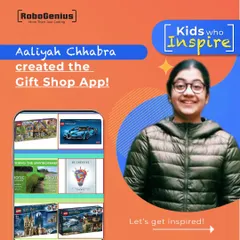
Student Coding Projects & App Portfolio
Our Young Innovators in Action
Student Robotics and Coding Projects
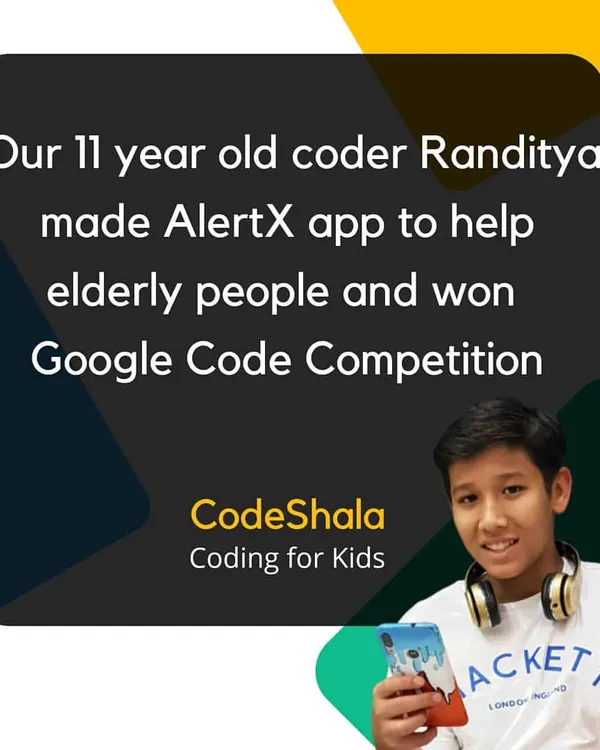 4
4
Student Coding Projects and Success Stories
More from Coding & Tech Programs for Kids (Ages 6-18) by Code Minors
More services by Code Minors