Nutrition Without The Nonsense
Stop chasing fitness fads and fear-mongering gurus. Here is the reality of fat loss: consistency, protein, and a sustainable deficit that does not leave you starving.
How often do you really need to track calories to lose weight? A recent study shows that consistency beats perfection. You can achieve significant weight loss even without tracking 100% of the time.
Counting calories but not losing weight? You're likely making one of these five common tracking mistakes, from guesstimating portion sizes to forgetting to log small snacks. Here's how to fix them.
You can determine if you're in a calorie deficit without tracking a single calorie. I explain three simple methods using your body weight, measurements, and progress pictures to monitor your fat loss progress.
If you're constantly hungry while in a deficit, try this simple tip: eat three large, protein-rich meals. This strategy helps increase satiety, reduces snacking, and makes sticking to your diet much easier.
Overeating is influenced by more than just willpower. I detail seven factors that impact your food intake, including energy density, eating rate, and even the texture of your food.
Have a sweet tooth? The secret to curbing cravings isn't restriction, it's permission. I explain my three-step method for enjoying a piece of chocolate without it turning into a binge.
Here's an unpopular opinion: after a long fat loss phase, you should allow yourself to eat more. I explain why increasing your food intake is crucial for better energy, performance, and a healthier relationship with food.
The phrase "I eat clean" can actually sabotage your fat loss. It creates a false sense of security, leading you to ignore calories and overeat "healthy" foods, preventing you from being in a deficit.
"I eat only home-cooked food" is another phrase that stops fat loss progress. While often healthier, home-cooked meals still have calories. If you're not in a deficit, you won't lose weight, no matter where the food is from.
Mindful eating requires paying a "fee" upfront: meal prepping, grocery shopping, and eating without distractions. The "fine" for not doing so is uncontrolled eating, weight issues, and a poor relationship with food.
About Nutrition Without The Nonsense
The biggest lie in the industry is that 'clean eating' automatically results in fat loss. It does not. Home-cooked food still has calories, and convincing yourself that something is healthy gives you a subconscious permission slip to overeat. Real fat loss isn't about avoiding 'bad' foods, it is about understanding energy balance, tracking what you actually consume, and managing your intake so you stay in a deficit without feeling like you are punishing yourself.
Most people cycle through yo-yo diets because they are looking for a quick fix or a 'magic' protocol. The truth is, nutrition is boringly simple, but it is not easy. It requires discipline, not restriction.
I focus on three non-negotiable pillars:
-
Energy Balance: You must be in a calorie deficit to lose fat. There is no way around this. If you are tracking your calories and the scale is not moving, you are likely either miscalculating or underestimating your intake—usually by 'guesstimating' portion sizes instead of using a scale.
-
Protein & Satiety: Protein is your best friend when you are in a deficit. It keeps you fuller for longer. If you find yourself constantly snacking, we look at your meal frequency. Eating three larger, protein-heavy meals often does a better job of managing hunger pangs than grazing throughout the day.
-
Psychological Flexibility: Stop labeling food as 'good' or 'bad.' That binary thinking is a direct path to binge eating. When you give yourself permission to enjoy a piece of chocolate occasionally, you stop feeling the urge to 'gobble the whole bar.'
We don't do 'all or nothing' plans here. We look at your lifestyle, your TDEE (Total Daily Energy Expenditure), and your actual behavior. My goal is to teach you how to track, how to adjust, and how to understand your own body's signals so that one day, you won't need a coach at all. If you are ready to stop guessing and start using an evidence-based approach, let's get to work.
Similar work from other experts
Browse through Curated picks from other experts on mytribe
 9
9
Practical Nutrition Coaching for Sustainable Fat Loss
 33
33
Nutrition Science, Simplified: Practical Facts for Weight Loss

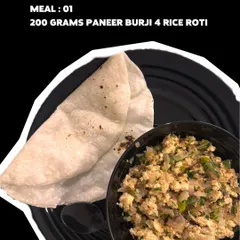
Practical High-Protein Meal Plans for Fat Loss & Muscle Gain
 6
6


Nutrition Coaching for Sustainable Fat Loss and Muscle Gain
Nutrition Myth-Busting & Practical Fitness Facts
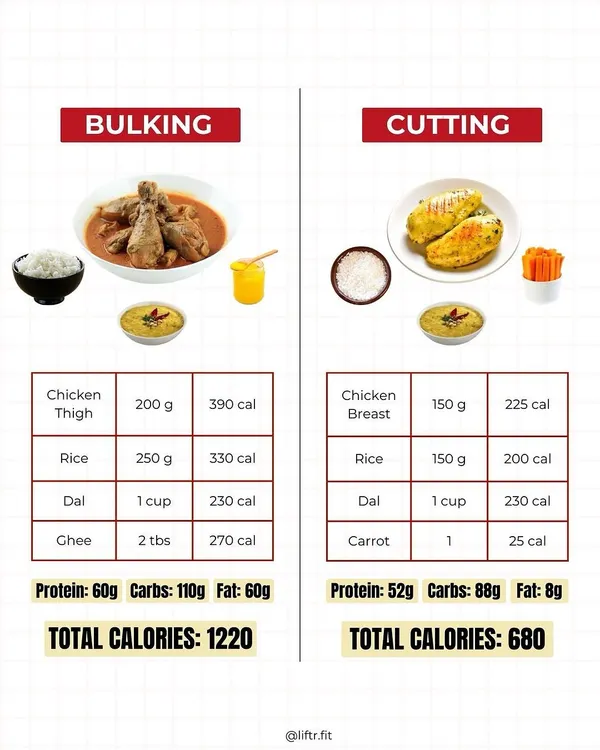 16
16
Smart Nutrition & Calorie Control: A No-BS Guide
More from Nutrition & Fat Loss Coaching by Pradyum
More services by Pradyum