Why I Question Everything: An Evidence-Based Approach
I was told I’d never lift again after a severe back injury. I didn't listen, and I'm still training today. Here is the reality of why you should always verify the advice you receive.
After a back injury, a prominent orthopedic surgeon told me to get surgery immediately and stop all lifting and sports, or I'd "walk like a cripple." I didn't heed his advice. Here's why.
Why did I ignore the advice of an expert? Because of all the doctors I consulted, his recommendation to give up strength training and sports entirely was extreme and unnecessary.
Twelve years and zero surgeries later, I lift six times a week, squat my bodyweight for reps, and run half-marathons. I do everything that doctor told me I couldn't or shouldn't do.
This experience was a lesson in the "Appeal to Authority" fallacy. Assuming something is true just because an authority figure stated it is a dangerous trap, especially in fitness and nutrition.
I've seen clients and friends get ridiculous, outdated advice that would have caused more harm than good. Luckily, they questioned it, probed deeper, and sought out other experts.
My experience with a physical injury applies to all fitness advice. Ask questions, go deeper on recommendations, and understand the "why" behind them. "Trust me" is never good enough.
To be clear: doctors are great when they stick to their areas of expertise. When they stray into exercise science or nutrition without qualifications, take their advice with a grain of salt.
My core philosophy is simple: Trust, but verify. We live in an era of misinformation, and it's your responsibility to be a critical thinker about your own health.
Everything in life requires you to either pay a fee or pay a fine. This is the central concept that guides my approach to health and fitness. You either pay a small price upfront or a heavy one later.
The fee for a consistent sleep schedule is the joy of missing out (JOMO). The fine is disturbed sleep, premature aging, and impeded recovery. The fee is always cheaper.
About My Story: Why I Question Everything
When I was injured, the standard advice was to stop everything. That 'don't lift, don't move' directive was rooted in fear, not in exercise science. I chose to dig into the actual data, which led me to recover fully and keep lifting twelve years later. This is the core of how I coach: I don't give you a template to follow blindly. I teach you how to analyze your own fitness reality so you stop being a victim of bad, outdated, or lazy guidance.
This is where I break down the 'Appeal to Authority' fallacy that keeps so many people stuck. Just because a doctor, a trainer with a big following, or a random 'Dr.' on social media says something, doesn't make it true. My philosophy is 'Trust, but verify.'
I apply this to everything:
- Nutrition: If someone says 'carbs are evil,' ask for the evidence. Hint: there isn't any.
- Training: If you are told you cannot train with back pain, ask why the movement is being labeled as a villain rather than a tool for rehab.
- Lifestyle: I use the 'Fee vs. Fine' framework. You either pay the 'fee' upfront by doing the hard work—learning to track, training consistently, managing sleep—or you pay the 'fine' later with poor health, chronic pain, and yo-yo dieting.
My coaching isn't about selling you a dream. It's about giving you the tools to filter out the noise. When we work together, we stop guessing. We look at your TDEE, your protein intake, and your recovery protocols based on logic, not viral trends. If you are ready to stop outsourcing your health to people who don't have to live with the consequences of their advice, then we have a lot to talk about.
Similar work from other experts
Browse through Curated picks from other experts on mytribe
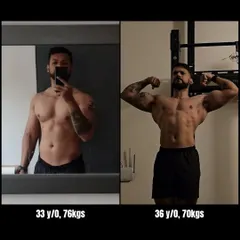
Evidence-Based Strength Training: My Personal Journey
 4
4


My Personal Fitness Transformation Journey
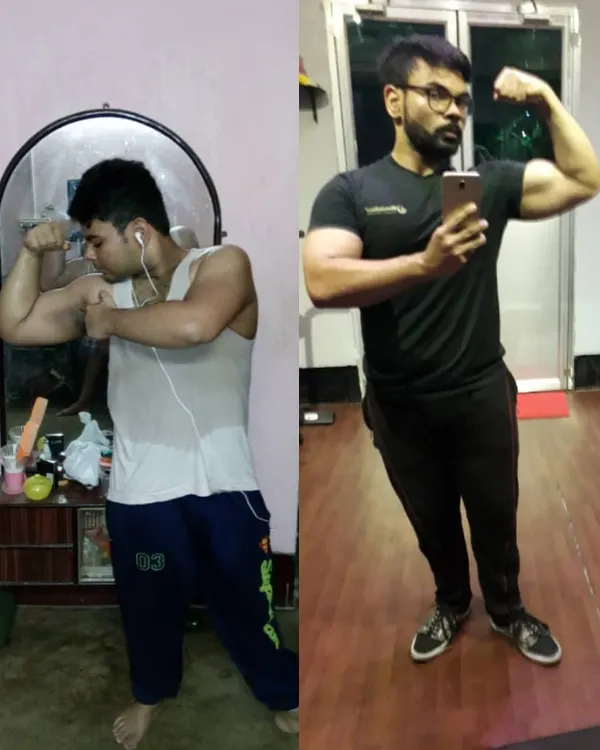 5
5
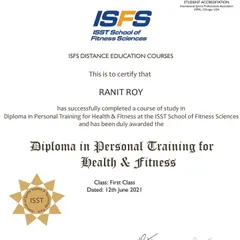
From Weakness to Strength: My Journey & Qualifications
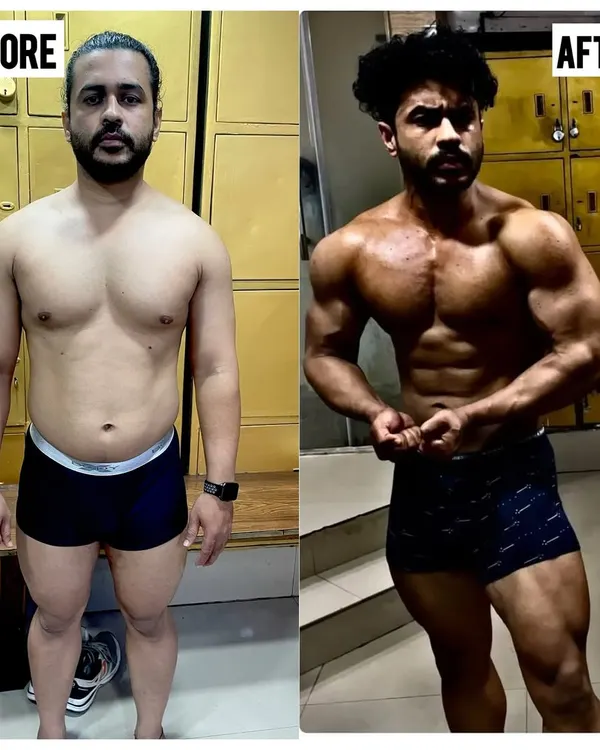 33
33My Fitness Journey: Building Strength Through Discipline
Science-Backed Strength & Conditioning Insights
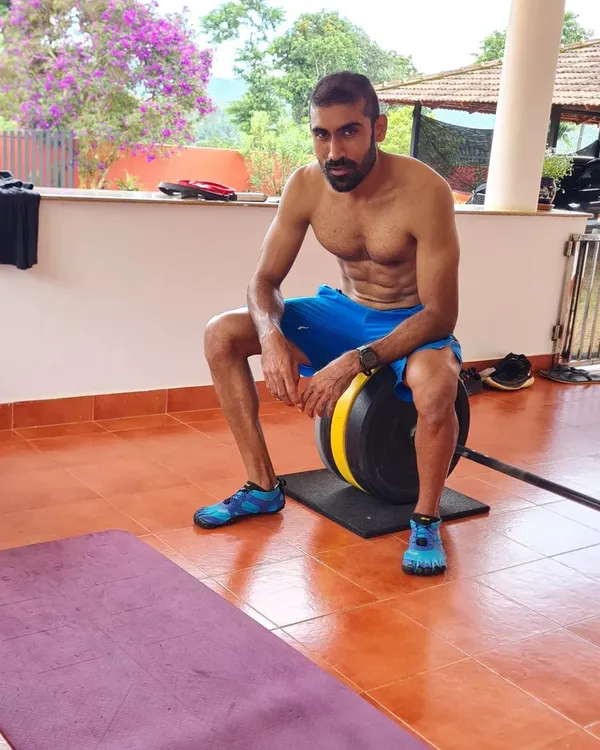 8
8


My Journey and Fitness Philosophy
More from Nutrition & Fat Loss Coaching by Pradyum
More services by Pradyum