Understanding PCOD and Your Hormonal Health
PCOD isn't just a diagnosis—it's a message from your body. Learn the real science behind your hormonal balance and why healing starts with lifestyle, not just pills.
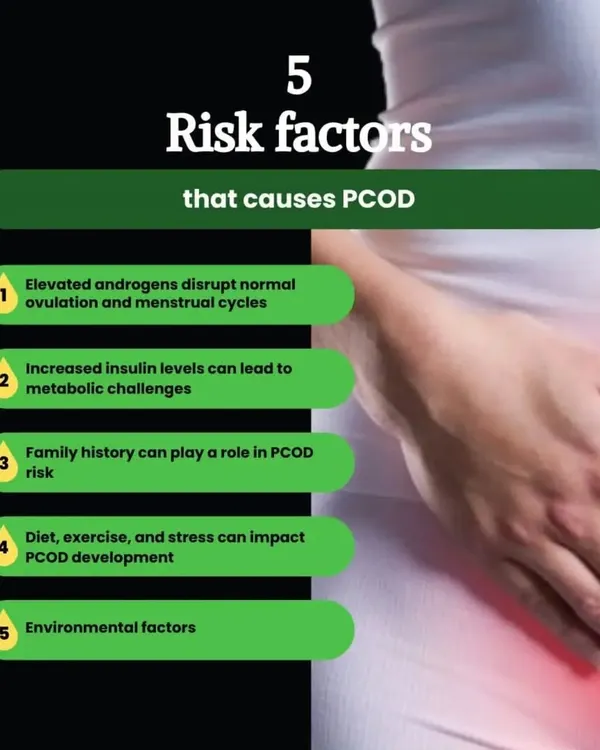
Don't expect results if you don't have a basic understanding of PCOD. I explain what Polycystic Ovarian Disease is, what causes it, and the common symptoms like irregular periods, weight gain, and acne. Management involves lifestyle changes, not just medication.
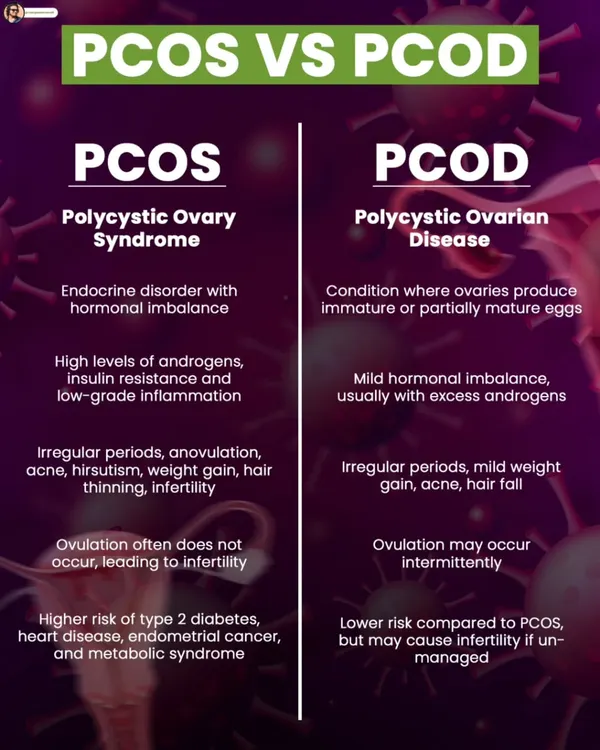
PCOD and PCOS are often used interchangeably, but they are not the same. I explain the key difference: PCOD is a condition where ovaries release immature eggs, while PCOS is a more serious metabolic disorder affecting the entire endocrine system.
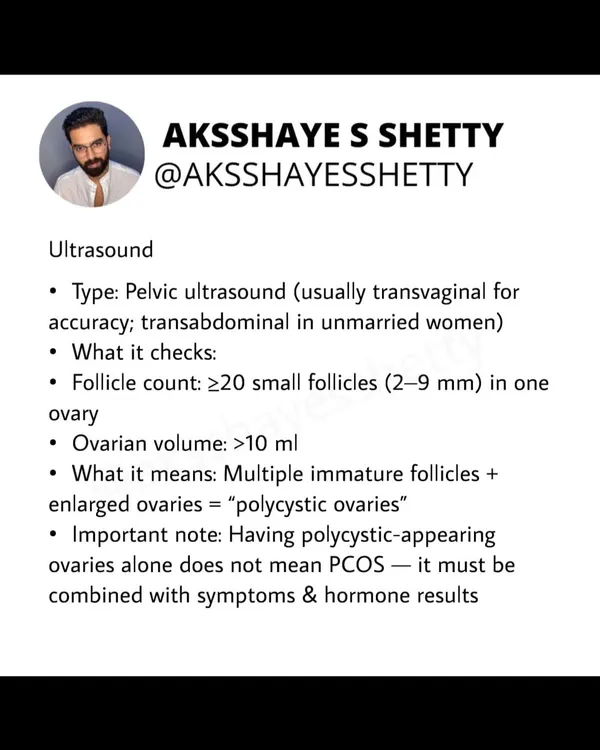
Not sure if you have PCOD? I break down the three key diagnostic criteria in under a minute: irregular periods, elevated male hormones (androgens), and polycystic ovaries on an ultrasound. You only need two of these for a diagnosis.
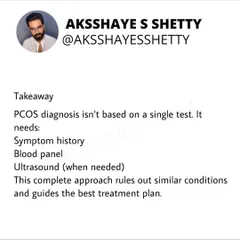
This is the first of a series explaining the essential blood tests for a PCOS diagnosis. Early diagnosis is crucial. I'm pointing to the tests that check hormone levels, thyroid function, blood sugar, and more.
Hormone Levels: An elevated LH-to-FSH ratio is often observed in PCOS. We also test for Prolactin, Sex hormone-binding globulin (SHBG), and Oestrogen to get a complete picture of your hormonal health.
Androgen Levels: We test for Testosterone, DHEA-S, and Androstenedione. Elevated levels of these male hormones can contribute to symptoms like acne and excess hair growth (hirsutism).
Ovarian Function: We look at Progesterone to check for irregular ovulation and Anti-Mullerian Hormone (AMH), where elevated levels can suggest increased ovarian activity common in PCOS.
Thyroid Function: We evaluate Thyroid-Stimulating Hormone (TSH), Free T3, and Free T4 because thyroid disorders can coexist with PCOS and have similar symptoms.
Insulin Resistance and Glucose Metabolism: We measure Fasting Glucose, Insulin Levels, and Hemoglobin A1c (HbA1c) to check for insulin resistance, a key driver of PCOS for many women.
Lipid Profile & Liver Enzymes: We assess cholesterol levels to monitor cardiovascular risk, which can be increased in women with PCOS. We also check liver enzymes as fatty liver is common.
About Understanding Your Body: PCOD & Hormones
You might be told that irregular periods or hair thinning are just 'normal' for PCOD, but they are actually your body signalling a deeper endocrine imbalance. Specifically, an elevated LH-to-FSH ratio is a common red flag that your ovulation cycle is being disrupted. We don't just help you manage these symptoms; we teach you how to read your body's signs so you can address the root cause, not just the side effects.
Beyond the Diagnosis
Most women are told to take pills to regulate their cycle, but medication often just masks the problem. Whether you are dealing with PCOD (Polycystic Ovarian Disease) or PCOS (Polycystic Ovary Syndrome), the root often lies in how your endocrine system is processing stress, insulin, and nutrition.
Why Your Hormones Are Struggling
It is rarely just one thing. Your body is a system. When we analyze bloodwork, we look for more than just the basics. We examine markers like:
- The LH-to-FSH Ratio: An imbalance here is a primary reason for failed ovulation and cysts.
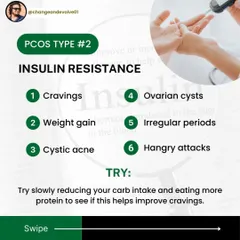
- Insulin Resistance: This is a hidden driver for many. If your blood sugar isn't stable, your hormones simply cannot find their rhythm.
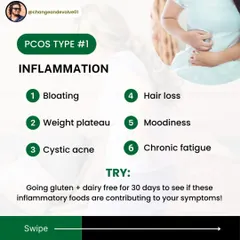
- Inflammatory Markers: Chronic stress and gut health issues increase inflammation, which directly interferes with your hormonal health.
A Natural Path Forward
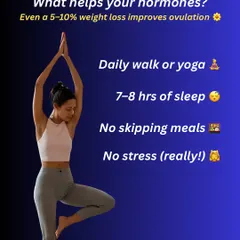
We don't believe in one-size-fits-all fixes because har kisi ka body alag hota hai (everyone's body is different). My approach combines therapeutic yoga, which helps calm the nervous system to prevent cortisol spikes, with home-style nutrition that nourishes you rather than restricting you. We have seen thousands of women shift from struggling with infertility and hair loss to regaining their energy and cycle health naturally.
If you are tired of the cycle of pills and want to start truly healing from within, I am here to help you get started.
Similar work from other experts
Browse through Curated picks from other experts on mytribe
 43
43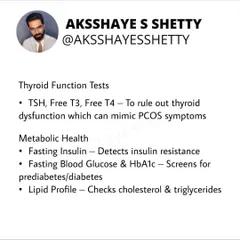
PCOS & Hormonal Health Explained
 4
4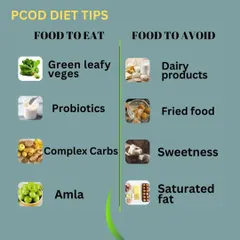
Natural PCOD Management and Hormonal Balance
 64
64
Natural PCOS and Hormone Management
 23
23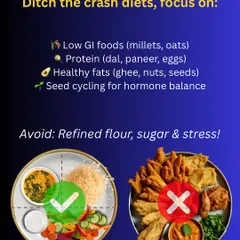

PCOS & Hormonal Balance Diet Plan
Natural Health Solutions for PCOD, Fertility, and Menopause
Yoga for Hormonal Health and PCOS Wellness
More from Holistic Women's Health & Fertility by Chaitanya Wellness
More services by Chaitanya Wellness