Food as Medicine for Chronic Inflammation
Persistent inflammation often stems from internal imbalances. I use evidence-based nutrition to help you move beyond symptom management and address the root causes of fatigue, pain, and digestive distress.
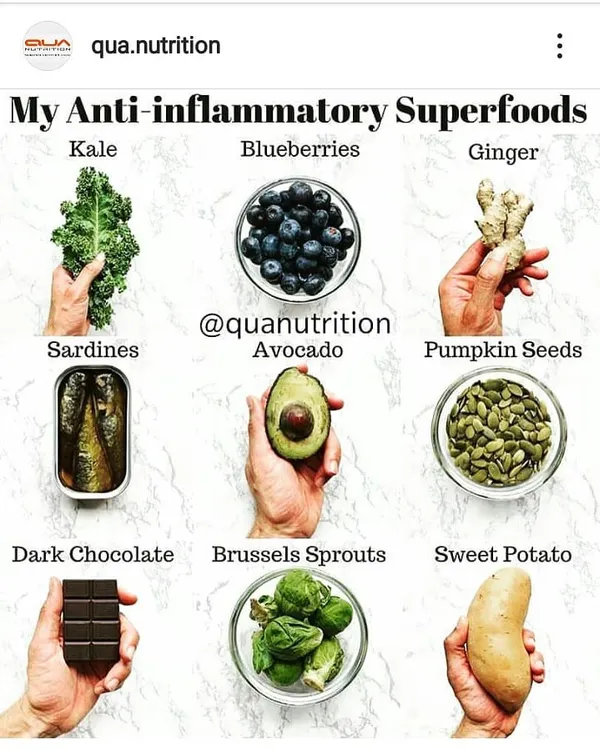
An anti-inflammatory diet is a cornerstone of my practice. Choosing the right foods is one of the most effective ways to manage chronic inflammation, which is a root cause of many diseases.
Let's explore the power of anti-inflammatory foods. By focusing on what you add to your diet, rather than what you restrict, you can take control of your health and reduce systemic inflammation.
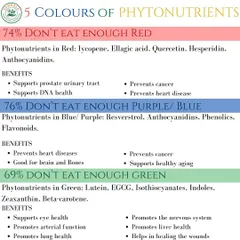
Fruits and vegetables like berries, cherries, and leafy greens are packed with vitamins, minerals, and phytonutrients. These compounds are essential for fighting inflammation and protecting your cells from damage.
A colorful plate is a healthy plate. Including a wide variety of fruits and vegetables such as grapes, broccoli, and spinach ensures you get a broad spectrum of antioxidants to support your body's healing processes.
Fatty fish like salmon, mackerel, and sardines are excellent sources of omega-3 fatty acids. These are potent anti-inflammatory nutrients that are crucial for brain health, heart health, and reducing joint pain.
I often recommend increasing intake of omega-3s through fatty fish. These healthy fats are a key component of a therapeutic diet aimed at lowering inflammation and supporting overall cellular function.
Nuts and seeds such as almonds, walnuts, and flaxseeds are rich in healthy fats, fiber, and antioxidants. They are a simple and effective addition to your diet for fighting chronic inflammation.
Incorporating a variety of nuts and seeds like chia seeds and walnuts provides a powerful combination of nutrients. Their fiber content also supports a healthy gut microbiome, which is key to managing inflammation.
Whole grains like oats, brown rice, and quinoa are rich in fiber, which helps reduce inflammation. Unlike refined grains, they provide sustained energy and support digestive health.
Choosing complex carbohydrates from whole grains is an important part of an anti-inflammatory lifestyle. The fiber in these foods feeds beneficial gut bacteria and helps regulate blood sugar.
About Food as Medicine
My approach to nutrition is strictly clinical. We start by reviewing your blood work, digestion, and stress markers to determine why your body remains in an inflammatory state. This is not about counting calories. It is about identifying if your cravings are signals of nutrient depletion, such as magnesium deficiency, and using specific food interventions to restore your physiological balance.
Moving Beyond Symptom Management
Many clients come to me after trying multiple diets without seeing lasting improvement in their energy or pain levels. This often happens because they are targeting the symptom rather than the source. My process is rooted in functional analysis, which means we look at your internal environment to understand what is driving your health issues.
The Assessment Process
When we begin our 60-minute initial clinical assessment, we do more than discuss what you eat. We analyze:
- Biomarkers: Your medical history and relevant blood work to identify specific nutrient gaps.
- The Gut-Brain Axis: Your digestion, sleep quality, and stress levels, which are often the primary drivers of systemic inflammation.
- Body Composition: Using objective data to understand your muscle mass and visceral fat levels.
Why This Approach Works
By focusing on therapeutic nutrition, we use food to trigger physiological changes. For example, rather than just suggesting 'healthy fats,' I might prescribe specific omega-3 sources to reduce inflammation in your joints or recommend magnesium-rich foods to stabilize blood sugar and improve sleep quality.
My programs are designed to evolve. We start with elimination to calm your system, move to reintroduction to test your tolerance, and end with a maintenance plan that works for your life in Bengaluru. Whether you are dealing with PCOD, arthritis, or chronic fatigue, the goal is to give you a clear, data-driven roadmap to help your body heal itself.
Similar work from other experts
Browse through Curated picks from other experts on mytribe
 8
8

Functional Medicine: Reversing Health Issues at the Root
 14
14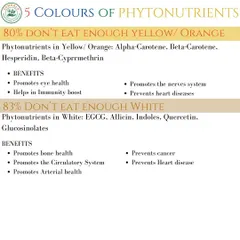

Functional Nutrition Toolkit: Using Food as Medicine
Gut Health, Inflammation, and Natural Detox
 7
7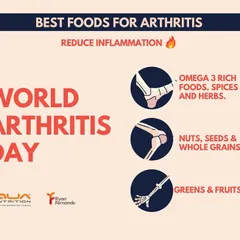


Anti-inflammatory and Pain Relief Nutrition Plans
 42
42

Functional Nutrition: How to Eat for Lasting Energy


Food as Medicine: Natural Healing Through Nutrition
More from Functional Nutrition Guidance by Body & Mind PhysioPilates Studio
More services by Body & Mind PhysioPilates Studio