Protecting Your Money: Loans, Cheques, and Scams
Getting your money back shouldn't be a nightmare. Whether it’s a bounced cheque or an unpaid personal loan, knowing your legal rights helps you take back control. Let's get your finances sorted.
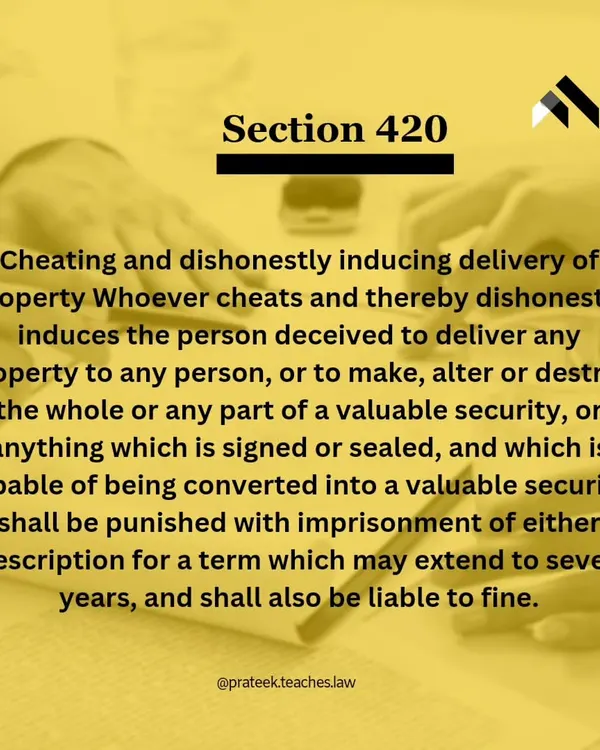
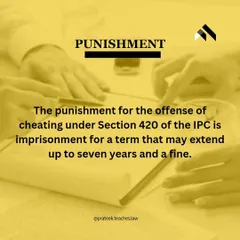
If someone owes you money and keeps delaying payment, you have legal options. I discuss how you can file an application under Order 37 of the Civil Procedure Code for a summary suit or even file a case under Section 420 of the IPC for cheating to recover your funds and legal expenses.
Never give a blank signed cheque as security for a loan without understanding the risks. If you've repaid your loan, always take your cheque back. I explain how a blank cheque can be misused and what steps you can take, including filing a police complaint, if someone refuses to return it.
A client asked if he could send a legal notice to his ex-girlfriend for an unpaid loan of just 30,000 rupees. The answer is yes. There is no minimum amount required to send a legal notice for money recovery. It is your right to claim what is yours, no matter the amount.
About Protecting Your Money: Loans, Cheques, and Scams
People often assume that legal action for money recovery is only for massive amounts, but that is not true. You can send a legal notice for any outstanding debt, even smaller sums, to formally demand your money back. My work involves drafting these notices and filing petitions under the Negotiable Instruments Act or Civil Procedure Code to ensure you have a solid, legally backed case before we even step into a courtroom.
When someone refuses to pay you back, it is frustrating. But you do not have to just walk away. Here is how we handle it:
The Cheque Bounce Reality
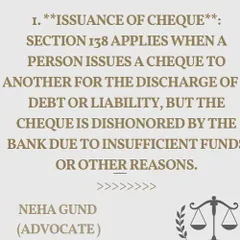
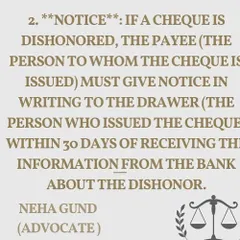
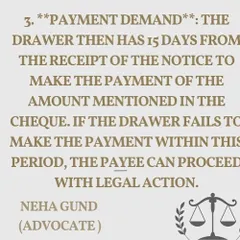
If you have a bounced cheque, you have a strong criminal case under Section 138 of the Negotiable Instruments Act. Many people ignore this or just keep calling the person. Do not do that. You need the bank's return memo and a formal legal notice sent through an advocate. This creates a mandatory record that the law takes seriously.
Dealing with Unpaid Loans
For personal loans or borrowed cash where no cheque was issued, we look at the Civil Procedure Code. Specifically, Order 37 allows for a 'summary suit.' This is a faster route for recovery because it limits the defendant's right to defend unless they can show a solid ground for it. It is designed precisely for cases like unpaid loans, property rent, or liquidated demands.
Why Evidence Matters
In any of these cases, your biggest hurdle is proving the money was transferred. Do you have chat history? WhatsApp messages? Bank transfer records? Even a simple handwritten acknowledgment works. Start gathering these documents now. If you are unsure if your proof is enough, bring it to a consultation. We can review what you have and decide whether a simple notice is enough to scare them into paying, or if we need to file a formal complaint.
Similar work from other experts
Browse through Curated picks from other experts on mytribe
Cheque Bounce Recovery: Legal Steps & Defense
 5
5
Legal Support for Cheque Bounce and Money Recovery
Legal Solutions for Financial Disputes & Money Recovery
Cheque Bounce: A Practical Legal Guide
 7
7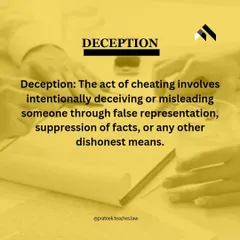
Financial Crimes and Fraud: Understanding Your Legal Options
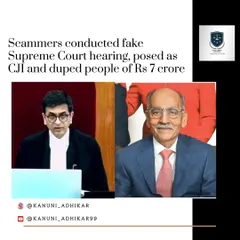
Legal Guidance for Financial Fraud and Cyber Scams
More from Consumer Protection Law by Arvind Maniam K
More services by Arvind Maniam K