Pigmentation and Uneven Skin Tone Treatment in Gurgaon
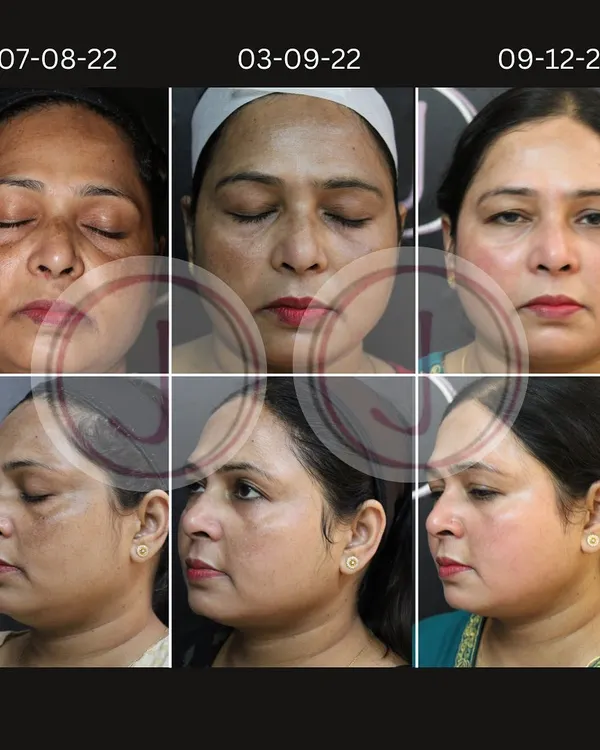
Pigmentation is not a single condition, and a generic cream will rarely solve it. My approach is to identify the root cause—be it metabolic, hormonal, or mechanical—before we begin any treatment.
Acanthosis Nigricans appears as dark, velvety patches in body folds and is often a sign of an underlying condition like insulin resistance, PCOD, or obesity. I explain that treating the root cause, along with using specific peeling creams, is essential for resolving this pigmentation.
Have you noticed a ripple-pattern of blackish lines on your arms, back, or neck? This could be Macular Amyloidosis, a condition where amyloid protein gets deposited in the skin. I explain its causes, including friction from waxing, and the effective peeling treatments available.
The blackish discoloration you see at the corners of your eyes and mouth may not be simple pigmentation. It could be Pigmentary Demarcation Lines (PDL), a distinct condition that requires a proper diagnosis from a dermatologist to determine the correct treatment path.
About Treating Pigmentation & Uneven Skin Tone
You might be tempted to pick up the latest trending cream, but pigmentation usually stems from internal factors like insulin resistance or mechanical friction. I use a clinical dermoscope to differentiate between conditions like Acanthosis Nigricans, Macular Amyloidosis, and simple sun damage, because each requires a specific medical strategy rather than a generic solution.
Understanding the Root Cause
The reason most over-the-counter products fail is simple: they treat the surface but ignore the biology. Pigmentation is often a symptom, not the disease itself.
Now, consider the different mechanisms involved:
- Acanthosis Nigricans: These dark, velvety patches in body folds are often tied to insulin resistance or hormonal imbalances. In these cases, correcting the internal metabolic state is as important as any topical treatment.
- Macular Amyloidosis: This ripple-pattern pigmentation is frequently caused by friction. If you have a habit of using rough loofahs or frequent, aggressive waxing, the skin responds by thickening and darkening to protect itself.
- Pigmentary Demarcation Lines: These are sharp lines of color change often influenced by genetics. Recognizing these lines prevents unnecessary, harsh treatments that would only irritate the skin.
My Diagnostic Process
When you visit my clinic in Sushant Lok, we do not guess. The consultation involves a physical inspection using a clinical dermoscope to analyze deep pigment and follicle health. We then look at your lifestyle and BMI, as these are often linked to the skin issues you see in the mirror.
The Treatment Reality
Patience is critical. Because we are dealing with biological mechanisms, there are no overnight miracles. Whether we use peeling creams, active ingredients, or in-clinic procedures, the goal is to align your routine with the specific needs of Indian skin. We adjust dosages, monitor for inflammation, and ensure your skin barrier stays healthy throughout the process.
Similar work from other experts
Browse through Curated picks from other experts on mytribe
 4
4

Effective Solutions for Pigmentation and Uneven Skin Tone
 7
7

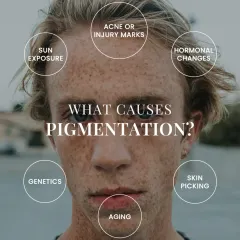
Pigmentation & Uneven Tone Treatment
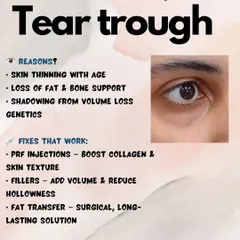
Targeted Pigmentation Solutions for Healthier Skin
 4
4

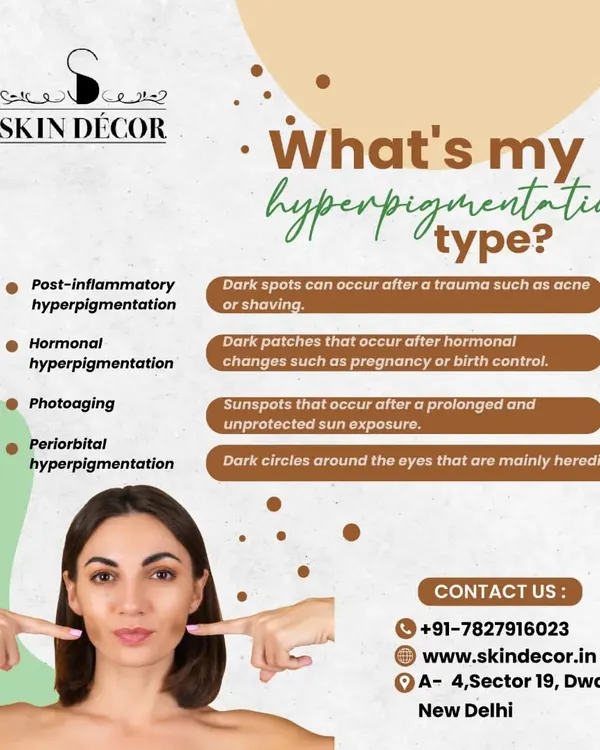
Understanding Pigmentation and Root Causes
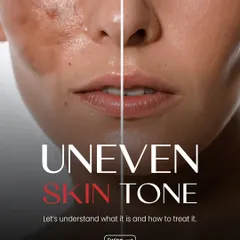
Pigmentation Treatment and Uneven Skin Tone Correction
 7
7
Treating Pigmentation and Dark Spots
More from Dermatology Consultation by Anwesha Poddar