Essential Daily Hygiene and Skin Protection for Indian Weather
Healthy skin relies on the accuracy of your daily habits, not just temporary fixes. I break down the science behind fundamental protection—from correct sunscreen application to preventing environmental infections.
Are you applying your sunscreen correctly? I demonstrate the two-finger rule for quantity and show the proper technique for even application on the face, neck, and ears, emphasizing the need for reapplication throughout the day for continuous protection.
Summer sweat and moisture create a perfect environment for fungal infections like ringworm. I share essential hygiene tips, such as wearing loose clothes and properly drying your body folds, to prevent these common and uncomfortable infections.
Pityriasis Versicolor is a common, non-communicable fungal infection that causes discolored patches on the skin, especially in summer. I explain its link to oily skin and dandruff, and outline the treatment protocol involving antifungal creams and shampoos.
Fungal nail infections are caused by prolonged exposure to moisture, from occlusive footwear to frequent household chores. I detail the common causes for both toenails and fingernails and stress the importance of keeping them dry to prevent infection.
Should you shower daily in winter? Yes, and I explain why. Daily cleansing is still necessary, but I recommend taking shorter showers and applying a good moisturizer immediately after to combat the dryness caused by cold weather.
A critical piece of advice: never apply disinfectants like Dettol directly to cuts, wounds, or bruises. These harsh surfactants can damage the skin barrier and worsen the injury. I recommend using simple saline water for cleaning wounds instead.
The groove on the side of the nose is a highly sensitive area prone to irritation, dryness, and acne. I explain why you should avoid applying active serums here and how to protect this delicate body fold during your skincare routine.
Salon facials, bleaches, and de-tan treatments often use harsh chemicals that provide a temporary glow but cause long-term damage and pigmentation. I explain why a dermatologist-led medi-facial is a safer and more effective way to genuinely care for your skin.
About Essential Daily Hygiene & Skin Protection
Most of us apply sunscreen like we are painting a wall—too thin and just once. If you are not using the two-finger rule, you are not getting the protection listed on the bottle. I see patients daily who believe they are sun-safe, but they unknowingly miss their ears, neck, and eye contours. You must reapply, especially if you are commuting or sitting near a window.
Protecting Your Skin Barrier
Daily hygiene mistakes often damage your skin barrier more than the environment itself. My goal is to help you build a routine that actually withstands our hot and humid climate.
Summer Hygiene & Fungal Prevention
Sweat and humidity create the perfect breeding ground for fungal infections. Drying your body folds—like the underarms, groin, and beneath the breasts—is as important as the treatment itself. Avoid tight synthetic clothing and remember that 'desi' remedies or non-dermatologist treatments often worsen these infections by introducing harsh chemicals. If you suspect an infection like ringworm, avoid over-the-counter steroid creams; they only mask the issue while the fungus thrives.
Winter Care Without Irritation
Even in winter, daily cleansing is essential. While the cold weather can strip your skin of natural moisture, skipping showers leads to bacterial buildup. The key is to take shorter, lukewarm showers and apply a fragrance-free moisturizer immediately after, focusing on areas like below the elbows and knees where oil glands are fewer.
Why Your Nose Groove is Sensitive
This area is a specific body fold prone to accumulation of dust and allergens. If you notice persistent redness or flakiness here, stop applying active serums like retinol or glycolic acid in this fold. These actives are often too strong for this delicate skin. Apply a thin layer of petroleum jelly to protect the area before using your serums on the rest of your face.
Stop Using Harsh Surfactants
Never apply disinfectants like Dettol or harsh surfactants on cuts, wounds, or bruises. These are designed for household surfaces, not your skin. They can damage the skin barrier, induce allergies, and delay healing. Clean minor wounds simply with saline water instead.
Similar work from other experts
Browse through Curated picks from other experts on mytribe
 13
13


Expert Skincare Advice for Healthy Results


Essential Skincare Advice for Healthy Skin


Expert Guide to Healthy Skin

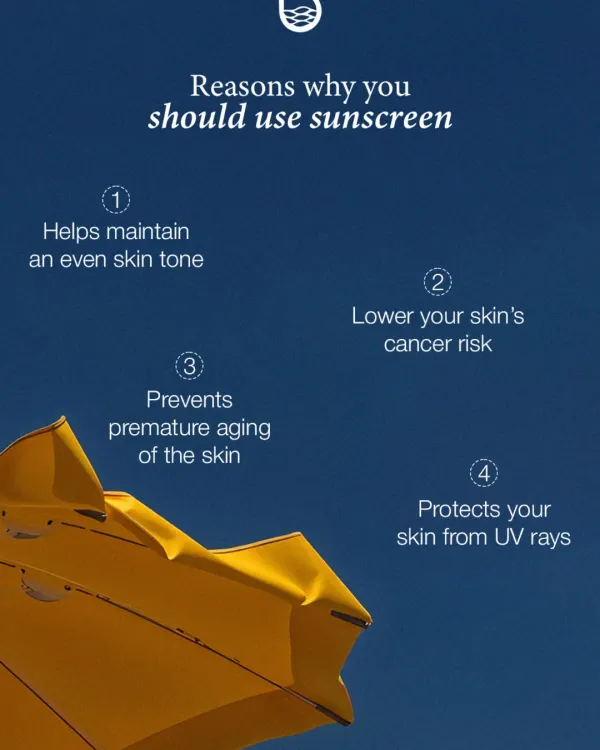
Your Guide to Daily Sun Protection
 17
17


Why Daily Sun Protection is Essential for Healthy Skin

Skincare Wisdom: Expert Advice and Daily Routine Tips
More from Dermatology Consultation by Anwesha Poddar