Scientific Solutions for Hair & Scalp Health
Hair loss and scalp irritation often stem from hidden causes like hard water, fungal growth, or improper product use. I analyze the biological triggers behind your hair concerns to provide clinical treatments that actually work.
Many people experience hair loss and don't realize hard water could be the culprit. I explain how mineral deposits from hard water make hair brittle and block nutrient absorption, and offer practical solutions like water softeners and simple home remedies.
Let's bust the myth about scalp oiling. I explain how applying oil directly to the scalp, especially in humid weather, can feed the fungus that causes dandruff and lead to more hair damage. Oiling should be limited to the hair strands for conditioning.
Dandruff often worsens in winter due to moisture retention on the scalp. I outline an effective routine using anti-fungal shampoos, proper hygiene for towels and bedsheets, and explain why you must avoid oiling the scalp to control this fungal issue.
Many hair dyes labeled 'natural' contain a dangerous chemical called PPD, which can cause severe allergic reactions. I explain how to identify the risk and why you should consult a dermatologist for safer, non-allergic hair color alternatives.
About Hair & Scalp Health
Many patients visit me having spent months using harsh, 'natural' shampoos or aggressive oiling routines that ironically worsen their fungal dandruff. Before you switch products again, understand that your scalp might be reacting to specific mineral deposits in your hard water or underlying chemical sensitivities to PPD in hair dyes. I do not recommend trial-and-error; I recommend a dermoscopic exam to identify the exact culprit—whether it is a fungal bloom or a structural hair shaft issue—so we can build a treatment protocol that is clinically sound.
Understanding Your Scalp Biology
The first step in treating hair loss or scalp inflammation is moving away from generic 'hair care' advice. In my practice, I often see patients dealing with two common, yet overlooked, factors: hard water and fungal colonization.
Hard water contains high concentrations of calcium and magnesium. These minerals do not simply wash away; they deposit on the scalp and hair shaft, preventing nutrient absorption, blocking moisture, and creating a rough, brittle texture. If you notice your hair quality deteriorating shortly after moving or during a change in water supply, this is a physiological response, not a lack of conditioner.
Why 'Natural' Remedies Often Fail
Now, let us discuss the myth of scalp oiling. While it is a common cultural practice, oiling provides a carbon source for Malassezia fungus. If you are prone to dandruff, applying oil—especially in our hot, humid climate—feeds the fungus, leading to inflammation and increased hair fall.
Similarly, many patients come to me with severe contact dermatitis caused by hair dyes labeled as 'natural' or 'ammonia-free.' These products often contain paraphenylenediamine (PPD). The reaction is frequently delayed, occurring days or even years after initial use, which makes it difficult for the patient to correlate the dye with the symptoms. The redness, itching, and potential blistering are serious, and they require immediate medical intervention.
My Diagnostic Approach
My clinical process is focused on diagnostic precision:
- Dermoscopic Examination: I use a dermoscope to examine the scalp, follicle density, and hair shaft integrity. This allows me to see what the naked eye cannot.
- Product Audit: I review your current regimen to eliminate substances that are disrupting your skin barrier.
- Science-Based Intervention: Whether the solution involves adjusting your water filtration, switching to medicated shampoos with ketoconazole or zinc pyrithione, or managing an acute allergic reaction, I provide a written protocol based on evidence, not trends.
Similar work from other experts
Browse through Curated picks from other experts on mytribe

Understanding Hair Loss and Scalp Health
Understanding Hair & Scalp Health in Delhi and Gurugram
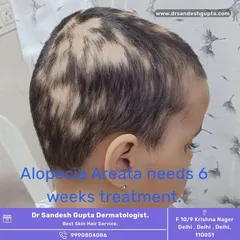
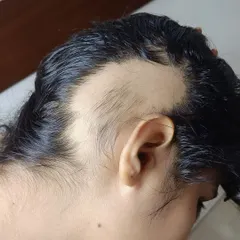
Expert Hair & Scalp Health Consultation
Holistic Hair Care and Root Cause Analysis
Expert Solutions for a Healthy Scalp and Hair
Science-Based Hair Loss and Scalp Treatments
More from Dermatology Consultation by Anwesha Poddar