Pigmentation & Uneven Tone Treatment
Pigmentation has many triggers, from hormonal shifts to sun damage. I focus on identifying the root cause behind your skin concerns to build a treatment plan that delivers real, lasting results.
Understanding the difference between hyperpigmentation (dark spots) and hypopigmentation (light spots) is the first step. This image highlights the visual characteristics of these common concerns.
This graphic defines hyperpigmentation, caused by excess melanin from factors like sun damage, and hypopigmentation, a loss of pigment. A correct diagnosis is crucial as treatment approaches differ significantly.
Hyperpigmentation has multiple triggers, including sun exposure, inflammation from acne, or hormonal shifts. While topical skincare can help, deeper or stubborn pigment often requires professional intervention.
This visual chart outlines the primary causes of pigmentation, from genetics and sun exposure to hormonal changes and skin picking. Identifying the cause is key to effective treatment and prevention.
While ingredients like Vitamin C and Niacinamide are excellent for mild spots, long-standing or stubborn pigmentation responds faster and more effectively to professional dermatological treatments.
It is a common misconception that all dark spots are the same. Different types of pigmentation, such as sun-induced tanning versus hormonal melasma, require distinct and tailored treatment strategies.
Your journey to clearer, more even-toned skin starts with a professional consultation. We can diagnose the specific type of pigmentation you have and create a targeted plan to address it.
About Pigmentation & Uneven Tone
A common mistake is treating all dark spots the same. Whether you are dealing with melasma or post-inflammatory hyperpigmentation, using the wrong topical product can often irritate the skin and worsen the issue. My consultation begins by using dermoscopy to determine the depth of your pigmentation, ensuring we choose the right path, whether that is targeted clinical peels, laser therapy, or adjusting your daily routine.
Understanding Pigmentation
Pigmentation issues like melasma, sun spots, and post-acne marks occur when melanin production is disrupted. While many skincare products promise quick fixes, they rarely reach the deeper layers of the dermis where stubborn pigment resides. My approach is to first diagnose the specific type of pigmentation before suggesting any intervention.
My Diagnostic Approach
Every consultation at my clinic in Safdarjung Enclave begins with a thorough assessment. We review your health history, stress levels, and lifestyle factors. Using a magnifying lens or dermatoscope, I evaluate the depth and density of the pigment. This is critical because a superficial spot requires a vastly different treatment than deeper dermal pigmentation.
Evidence-Based Treatments
Once we identify the cause, we build a phased roadmap. This may include:
- Clinical Chemical Peels: Controlled exfoliation to remove surface pigmentation and encourage cell turnover.
- Laser Therapy: Targeted light energy to break down pigment without damaging the surrounding tissue.
- Medical-Grade Topical Regimens: Formulations that actually address the mechanism of pigment production rather than just masking the symptoms.
Why Consistency Matters
Treating pigmentation is not an overnight process. It requires patience and a structured approach. We focus on long-term results, ensuring that the treatments we choose are safe for your skin type and sustainable for your lifestyle. If you are tired of trying random solutions that have not worked, I invite you to book a consultation for a clinical analysis of your skin.
Similar work from other experts
Browse through Curated picks from other experts on mytribe
Pigmentation and Uneven Skin Tone Treatments
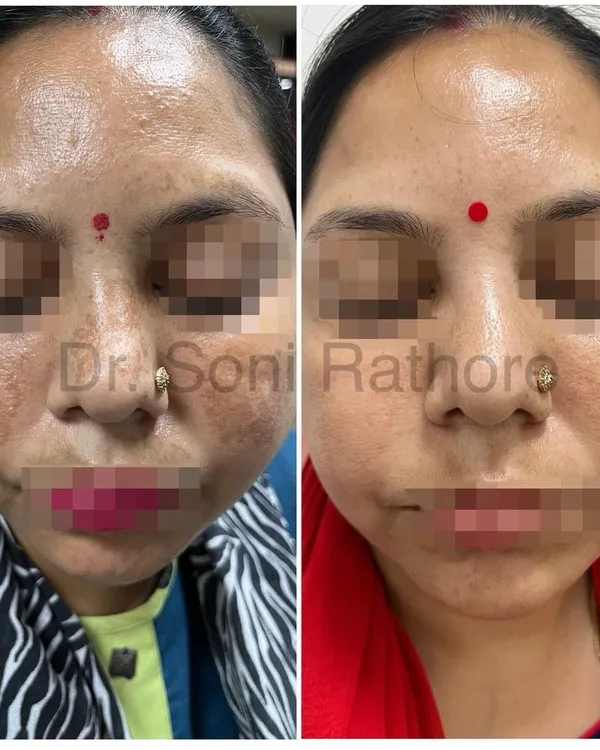 9
9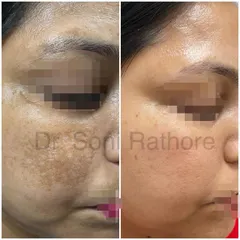
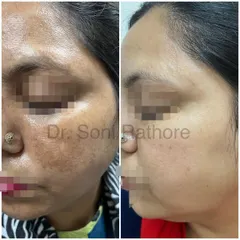
Melasma and Pigmentation Treatment in Noida
Pigmentation Treatment and Uneven Skin Tone Correction
Pigmentation and Skin Lightening Treatments


Pigmentation and Skin Brightening Treatments

Pigmentation and Uneven Tone Solutions
More from Dermatology Consultation by Ankita Pant