Clinical Acne and Scar Management
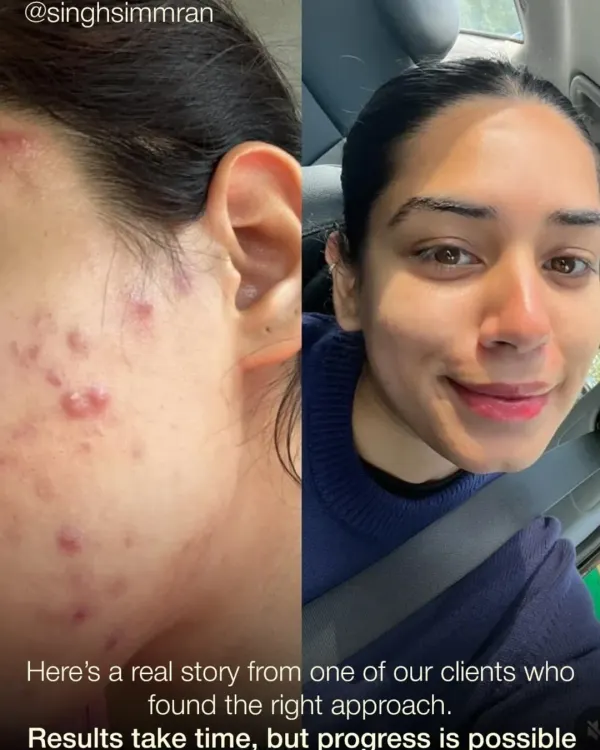
Acne is rarely just surface-level. I help you decode the root cause—be it hormonal, bacterial, or environmental—and build a clinical, science-backed roadmap to clear skin and effective scar management.
Understanding the basics is the first step. I explain the difference between whiteheads (closed comedones) and blackheads (open comedones), why you should never try to extract them yourself, and how a dermatologist can treat them safely to prevent scarring.
Summer can often bring on folliculitis, or boils, which are bacterial infections of the hair follicle. I provide practical tips for prevention, such as proper hygiene after workouts, and explain the correct way to manage a boil if one develops, including why you should use ice instead of heat.
Rosacea, particularly common in North India, is often mistaken for acne but requires a very different treatment approach. I detail the four types of rosacea, its common triggers like sun and stress, and the medical treatments available to manage this chronic inflammatory condition.
Keloids and hypertrophic scars are raised scars that form after an injury when the skin overreacts. I explain who is genetically predisposed, how to prevent them after an injury by avoiding scratching, and the various clinical treatments I offer, from injections to laser therapy.
About A Scientific Approach to Acne & Scars
Trying to extract a whitehead or blackhead at home often traps debris deeper or ruptures the follicle wall, which directly leads to permanent scarring. When you see these small bumps, understand that they are comedones—the follicle is blocked, not dirty. My approach focuses on safely clearing these blockages through prescription actives and targeted clinical procedures, rather than forceful removal that damages your skin barrier.
Understanding Acne Mechanics
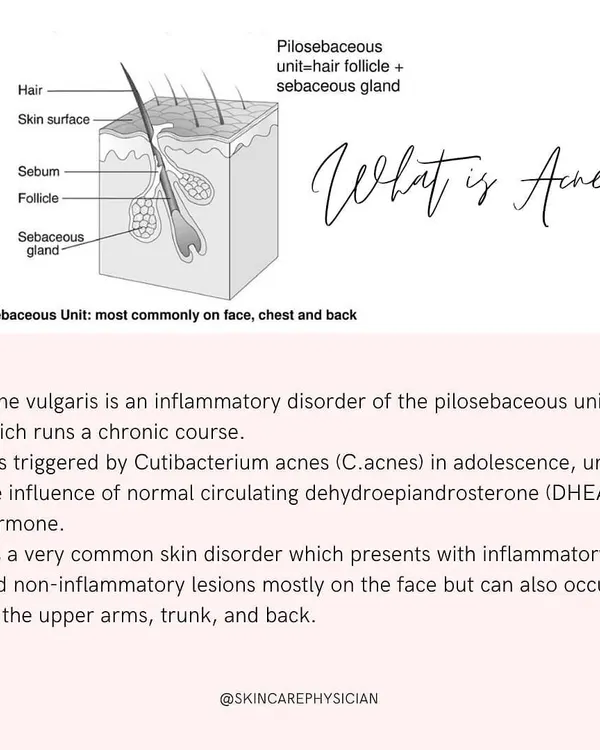
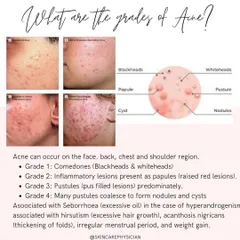
To treat acne, we must first categorize it. The condition typically begins with comedones—small, non-inflammatory bumps. Whiteheads are closed comedones where the pore is blocked, trapping dead cells and sebum inside. Blackheads are open comedones; the trapped contents oxidize upon exposure to air, turning dark. If these become inflamed, you move into papular or pustular acne, which carries a higher risk of scarring.
The Science of Scarring
Scarring occurs when the skin overreacts to inflammation or when trauma, such as picking, destroys the follicle wall. Whether you are dealing with keloids or atrophic scars, the treatment must be precise. We do not use a one-size-fits-all product here. Depending on your skin type and the depth of the scar, I may recommend:
- Chemical Peels: To resurface the top layer and encourage cell turnover.
- MNRF (Microneedling Radiofrequency): To stimulate collagen production deep within the dermis.
- Prescription Actives: Focused on pharmacy-grade ingredients like retinoids to regulate cell turnover and prevent future comedone formation.
Why Climate Matters
Living in a hot, humid climate like ours in Gurgaon requires specific adjustments. Heavy, occlusive creams often exacerbate acne by clogging pores and trapping sweat, leading to folliculitis. I analyze your current skincare routine to identify these 'barrier-damaging' products. We then build a regimen that balances hydration with the specific active ingredients your skin needs to heal, without triggering further breakouts.
Remember, the goal is not to clear your skin overnight, which is physically impossible without harsh side effects. The goal is to correct the biological mechanisms causing the acne and create a sustainable path to healthy, resilient skin.
Similar work from other experts
Browse through Curated picks from other experts on mytribe
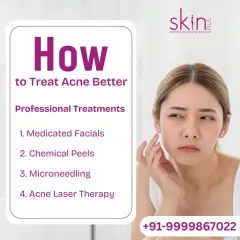
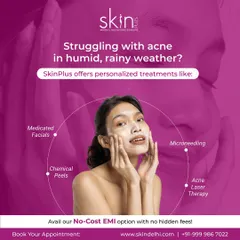
Targeted Acne Solutions
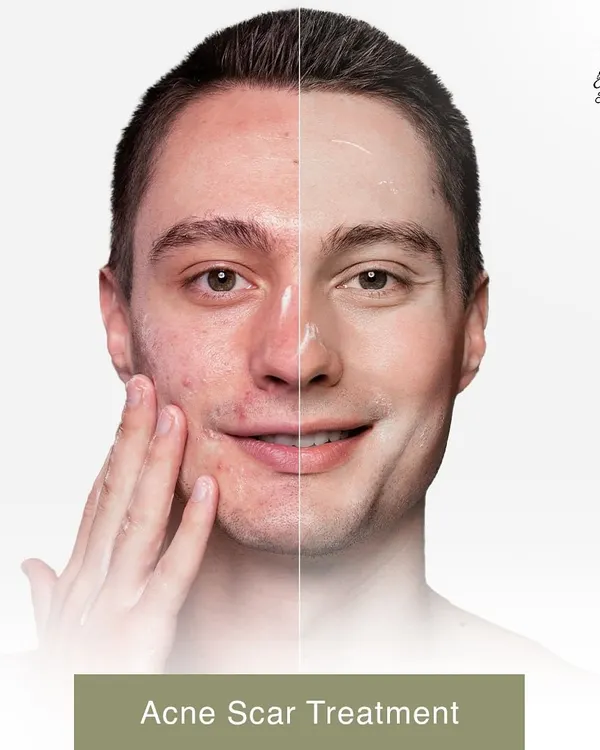 13
13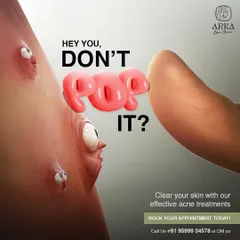
Acne, Pores, and Scar Treatments in Gurugram
 6
6
Acne & Scarring Solutions
Acne, Pores & Scarring: A Clear Skin Plan
 66
66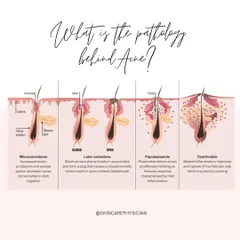
Understanding & Treating Acne: Evidence-Based Care
Effective Acne and Scar Treatment Solutions
More from Dermatology Consultation by Anwesha Poddar