Understanding Pigmentation and Root Causes
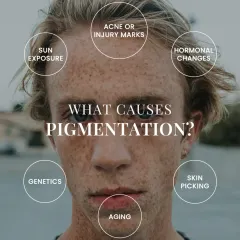
Pigmentation can be stubborn, but it is rarely random. Whether it is sun exposure, hormonal changes, or acne marks, finding the right solution starts with knowing the cause. Let us look at what your skin actually needs.
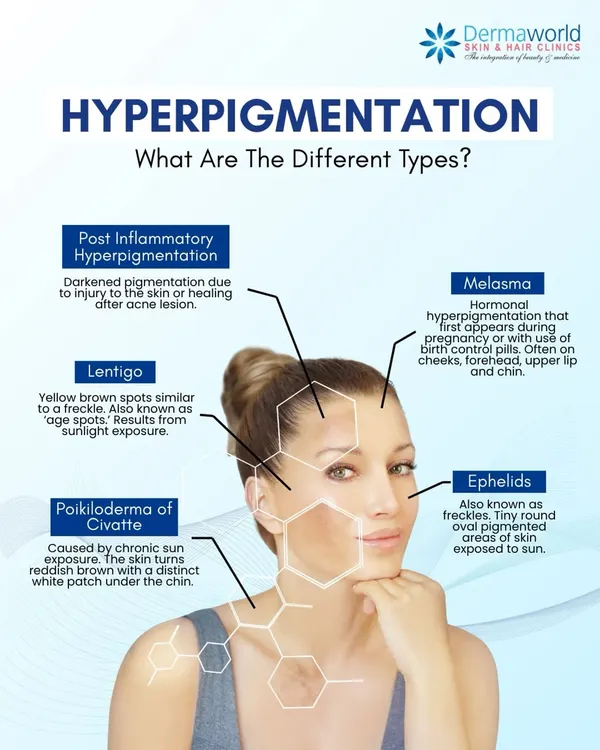
Hyperpigmentation is not a single condition. This graphic explains the different types I commonly see, from post-inflammatory marks left by acne to hormonal patches and sunspots. Knowing your type is the first step toward effective treatment.
Many people struggle with a dark neck or dark underarms, and often the cause is internal. *Aaj main baat karna chahungi* about how this can be linked to insulin resistance or other hormonal issues. It is very important to find the root cause, so I always recommend a proper consultation to rule out conditions like pre-diabetes.
Dealing with a persistent tan is a common concern, especially after summer. This is a form of pigmentation caused by sun exposure. If you are looking for a lasting solution, it is time to consult a dermatologist to go beyond temporary fixes.
Do any of these concerns sound familiar? From fine lines and sun damage to acne scarring and pigmented skin, I am here to help you find a solution. The first step is always a thorough consultation to understand your unique skin concerns.
About Understanding Pigmentation & Its Causes
You might think a dark neck or underarms just needs scrubbing, but often, the trigger is internal, like insulin resistance or hormonal shifts. Before we recommend any laser or peel, we look for these root causes. A treatment that works for one person might do nothing for your specific skin type, which is why we always start with a proper assessment rather than guessing.
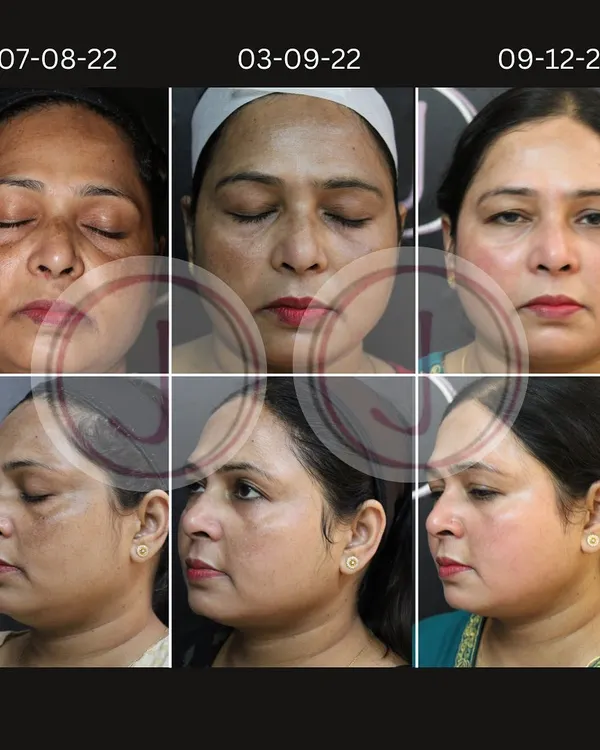
Pigmentation is not a single condition. It presents as melasma, sunspots, or post-inflammatory marks left behind by acne. Many people try to treat these with over-the-counter products for months, only to see no change because they are not targeting the origin of the pigment.
At my clinic, we categorize pigmentation based on your health history and skin assessment. If your pigment is hormonal, we address it differently than sun-induced tanning.
My treatment approach for pigmentation usually involves:
- ClearLift Laser: This is my go-to for deeper pigment and melasma. It is non-invasive, quick, and safe, often described as feeling like tiny rubber band snaps without needing downtime.
- Chemical Peels: For surface-level unevenness and dullness, I often use medical-grade peels to exfoliate dead cells and reveal brighter skin. We select the acid—like Salicylic or Glycolic—based on your specific concern.
- Medifacials: For an instant glow, we use technology like HydraFacial or OxyGeneo to hydrate and clear out pores. It is a step above a salon facial because we use clinical-grade serums and equipment.
However, in-clinic procedures are only part of the journey. If you are not using a broad-spectrum sunscreen and a simple, consistent routine, your pigmentation will likely return. Bas facial kar lo, kaam ho gaya—nahi hota. We will work together on a home care plan involving sunscreen and actives that fit your skin type. Consistency and identifying the trigger are the real secrets to clear, even-toned skin.
Similar work from other experts
Browse through Curated picks from other experts on mytribe
 17
17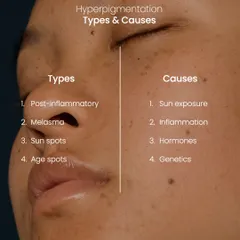
Understanding Your Pigmentation and Dark Spots
 5
5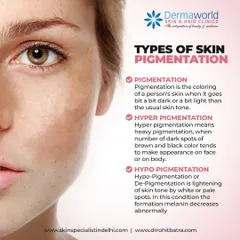

Understanding and Treating Skin Pigmentation
Understanding and Treating Pigmentation on Indian Skin
 4
4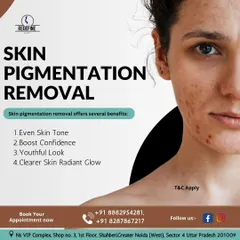

Effective Solutions for Pigmentation and Uneven Skin Tone
Expert Pigmentation & Melasma Care
 7
7

Treating Pigmentation and Dark Spots
More from Pigmentation and Skin Brightening by Monica Chahar