Adaptive Reuse: Transforming Traditional Spaces into Garden Pavilions
I turned this 70-year-old forgotten Mori into a breezy garden pavilion. Here is how I breathe new life into older structures while keeping their history intact.
This was the starting point: a 70-year-old 'Mori' or outdoor wash area. These spaces are part of our history, and my vision was to preserve that sense of utility while giving it a completely new life.
Every transformation begins with a sketch. This was my initial plan and elevation drawing, mapping out the new steel structure, Mangalore tile roof, and the division between the garden storage and the sit-out area.
The demolition and rebuilding phase. Here you can see the old, crumbling structure being cleared away to make room for a new foundation and framework, the first step in its revival.
With the new foundation set, the steel support columns and roof frame were erected. This modern structural choice provides durability while allowing for an open, airy design that the original structure lacked.
The roofing process is underway. I chose traditional Mangalore tiles for their timeless look and excellent weather resistance, which helps blend the new structure with the surrounding environment.
Nearing completion, with the roof tiles laid and the walls plastered. You can already see the new, clean form of the structure taking shape, ready for its final finishes.
The finished project. The once-derelict 'Mori' is now a functional and beautiful garden pavilion, providing a sheltered seating area to enjoy the garden view, along with practical, enclosed storage space.
About Adaptive Reuse: The 'Mori' Transformation
Deciding to keep a space's original footprint while completely stripping its function is the hardest part of adaptive reuse. For this Mori transformation, I used a lightweight steel-framed structure topped with traditional Mangalore tiles to balance the 70-year-old history with modern durability, ensuring the new garden pavilion stays cool and airy without losing its character.
Adaptive reuse is about more than just a fresh coat of paint. It requires a deep dive into what the structure was originally intended for and how we can pivot that utility for today’s needs.
The Process
- Site Assessment: We began by evaluating the structural integrity of the existing 70-year-old wash area. While the original structure was crumbling, the foundation offered the perfect footprint for a dual-purpose space.
- Structural Pivot: Instead of knocking everything down, we utilized the layout to create a hybrid zone: one side for enclosed garden storage and the other for a semi-open sit-out. This maintains the utility of the original area while making it a focal point of the garden.
- Material Selection: I opted for a mild steel (MS) framework for its longevity and slenderness. To keep the aesthetic rooted in tradition, I paired this with Mangalore clay tiles. These tiles are not just visually classic but are excellent for heat insulation, helping the structure stay cool throughout the day.
Sustainability in Practice Every time I approach a renovation in the Mumbai Metropolitan Area, I look for ways to maximize natural ventilation. By opening up this Mori, we turned a dark, forgotten corner into a space that catches the breeze, significantly reducing the need for artificial lighting or cooling. This approach is central to my work—making our homes more responsive to the environment by using materials that age gracefully and require minimal maintenance.
Similar work from other experts
Browse through Curated picks from other experts on mytribe
 5
5
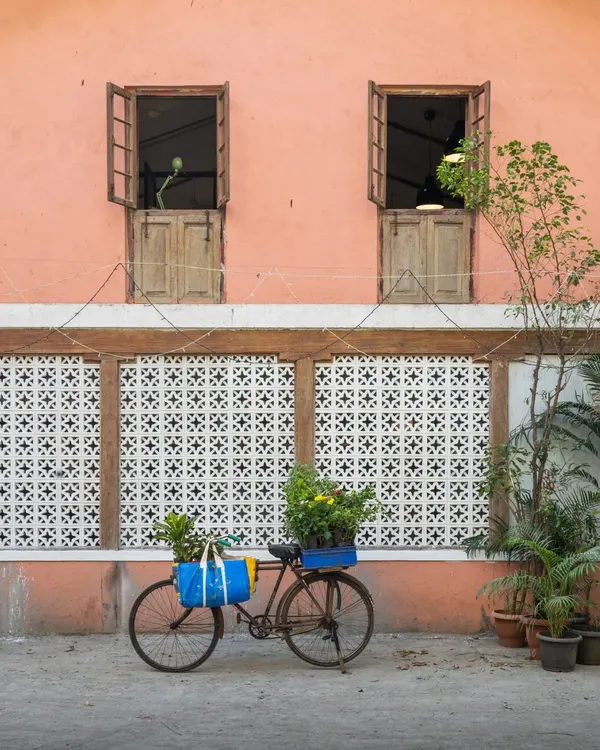
Adaptive Reuse Architecture: Breathing New Life into Old Spaces
 17
17
Restoring History: Our Studio's Story of Revival
 10
10
Adaptive Reuse and Heritage Restoration
 16
16
Adaptive Reuse Architecture: Transforming Heritage Spaces
 13
13
Heritage Restoration and Adaptive Reuse
 13
13
Landscape Design for The Valsad Bungalow
More from Architectural Design & Renovation by Anusha Nanavati
More services by Anusha Nanavati