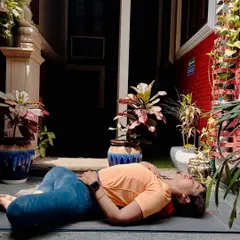
Therapeutic Yoga for Mental & Neurological Wellness
I guide you through trauma-informed, gentle yoga practices designed to calm the nervous system, support cognitive health, and manage symptoms of ADHD and PTSD.
This infographic explains what ADHD is and how yoga can serve as a powerful, non-medical tool to manage symptoms like restlessness and lack of focus by grounding your energy.
Discover the specific ways yoga helps manage ADHD, from enhancing concentration and impulse control to regulating hyperactivity and improving sleep.
A list of ADHD-friendly yoga poses and breathing techniques I use in my practice, including Tree Pose for focus and Alternate Nostril Breathing to harmonize the brain.
Practical tips for starting a yoga practice for ADHD, such as using calming music and setting a short, consistent routine to help ground your day.
This graphic outlines the ideal yoga practices for ADHD, focusing on how different techniques can enhance concentration, regulate energy, and reduce anxiety.
This is the introduction to my specialized yoga program for PTSD relief. My goal is to help you reclaim a sense of calm, restore trust in your body, and heal deeply through gentle, mindful practice.
Understanding PTSD is the first step. This graphic defines the condition and explains how yoga offers grounding, emotional regulation, and nervous system balance.
Learn how my trauma-informed yoga approach helps with PTSD by activating the parasympathetic nervous system, increasing body awareness, and reducing cortisol levels.
A selection of PTSD-friendly yoga poses I incorporate into sessions, such as Child's Pose for safety and Legs-Up-the-Wall for a nervous system reset.
I utilize specific yoga practices for PTSD, including trauma-informed movement, deep belly breathing, and restorative yoga to promote a sense of safety and relaxation.
About Yoga for Mental & Neurological Wellness
When I work with neurodivergence, trauma, or cognitive decline, we move away from traditional 'fitness' yoga. My sessions prioritize the nervous system over perfect alignment. We use props like bolsters, cushions, and blankets to create physical safety, and we incorporate specific breathing techniques—like Nadi Shodhana (Alternate Nostril Breathing)—to ground your energy and focus. This is not about pushing your limits; it is about finding a pace that lets your body feel safe enough to rest, heal, and process.
A Trauma-Informed Approach to Wellness
My practice is built on the understanding that neurological challenges like ADHD, PTSD, and early-stage dementia are often held in the body. When you work with me, we address this by creating a safe container where you are always in control. Whether we are practicing via a 1-on-1 virtual session or following a custom digital plan, the focus remains on regulation and safety.
Supporting Your Specific Needs
- For ADHD: We focus on grounding. Techniques like Tree Pose (Vrikshasana) improve balance and focus, while slow-flow sequences help regulate hyperactivity.
- For PTSD: My approach is strictly trauma-informed. We prioritize restorative poses like Child’s Pose (Balasana) and Legs-Up-the-Wall (Viparita Karani) to activate your parasympathetic nervous system, helping you reclaim a sense of safety and reduce cortisol levels.
- For Cognitive Health: In early-stage dementia support, we use gentle movement and pranayama to increase oxygen-rich blood flow to the brain, supporting neuroplasticity and daily clarity.
Why Virtual Therapy Works
I conduct all sessions online because your home is often the most comfortable environment for healing. You do not need to commute while dealing with anxiety or chronic fatigue. We use everyday household items as props to ensure you can replicate these therapeutic movements safely. My goal is to equip you with a toolkit—breathwork, asana, and mindfulness—that you can rely on long after our session ends. We do not look for quick fixes; we build consistent, daily habits that slowly soothe the nervous system and help you find calm in the midst of chaos.
Similar work from other experts
Browse through Curated picks from other experts on mytribe
 8
8
Yoga for Trauma and Emotional Healing
 7
7
Yoga for Your Mind: Therapeutic sessions for mental peace