The Philosophy of Yoga and the Eight Limbs
Yoga is far more than just the shapes your body makes. I explore the traditional philosophy and the Eight Limbs of Yoga that bring balance, breath, and meaning to our practice.
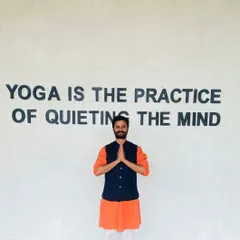
Yoga Sutra 1.2, "Yogas Citta Vritti Nirodhah," is the foundational definition of yoga. It means "Yoga is the control of the fluctuations of the mind-field," which is the ultimate goal of my practice.
The Yamas are the first limb of yoga, representing the external ethics or restraints we practice in our interactions with the world, including non-violence (Ahimsa) and truthfulness (Satya).
The Niyamas are the second limb, focusing on internal ethics and personal observances like purity (Saucha), contentment (Santosha), and self-study (Svadhyaya).
Asana, the third limb, is the physical practice of yoga postures. The goal is to strengthen the body and mind to cultivate stillness and prepare for deeper meditation.
Pranayama, the fourth limb, is the practice of breath control. I teach this to help you connect with your life force energy, manage emotions, and calm the nervous system.
Pratyahara, the fifth limb, is the withdrawal of the senses. This practice involves turning your attention inward to focus on your consciousness, away from external distractions.
Dharana, the sixth limb, means concentration. Here, we practice directing the mind's attention to a single point, which is the gateway to meditation.
Dhyana, the seventh limb, is meditation. It is an uninterrupted state of focus where your awareness becomes one with the object of your attention.
Samadhi, the eighth and final limb, is a state of profound oneness and complete absorption. It is the culmination of the yogic journey, representing enlightenment and bliss.
Breathing is our life energy and an essential component of yoga. This graphic explains why proper breathing methods, or pranayama, are so important for both physical and mental well-being.
About The Philosophy of Yoga
In my sessions, we do not just jump into postures. We use the philosophy as a framework, looking at the Yamas (ethical restraints) and Niyamas (internal observances) to build a foundation that supports your mental and emotional state. When you understand the why behind your breath and movement, your practice shifts from a simple workout into a tool for genuine, lasting relief.
Moving Beyond the Mat
Many people come to me looking for a quick physical fix, but true healing usually requires a change in perspective. My approach is rooted in the Eight Limbs of Yoga as outlined in Patanjali's Yoga Sutras. By integrating these limbs—from the ethical restraints of the Yamas to the meditative state of Dhyana—we create a practice that is sustainable and deeply personal.
Why Philosophy Matters for Healing
When we are dealing with conditions like chronic stress, insomnia, or PTSD, the body often holds onto trauma. This is where the philosophy provides a safe space for release:
- Yamas & Niyamas: These are not just rules but acts of self-care. Practicing Ahimsa (non-violence) starts with how you treat your own body on the mat. Santosha (contentment) helps us accept where we are in our recovery process.
- Pranayama (Breath Control): This is the bridge between the mind and the body. By regulating the breath, we calm the central nervous system, which is crucial for managing anxiety and inflammatory conditions.
- Asana as Preparation: We treat postures as a way to prepare the body for stillness, not as a goal in themselves. This makes yoga accessible for anyone with pain or limited mobility.
Whether we are working on specific breathing techniques to manage high blood pressure or using restorative poses to soothe the gut, the underlying philosophy keeps the practice focused on your long-term well-being rather than temporary performance.
Similar work from other experts
Browse through Curated picks from other experts on mytribe
Yoga Philosophy and Lifestyle: Integrating Tradition into Daily Living
The Philosophy of Yoga: Beyond the Asanas

The Yogic Path & Philosophy: Authentic Yoga and Meditation
 9
9
The Deeper Practice: Yoga Philosophy
The Logical Path to Understanding Yoga
Ancient Yoga Philosophy for Modern Life
More from Therapeutic Yoga by Anagha Yoga