Hair Loss Diagnosis: Why Root Cause Matters More Than Treatment
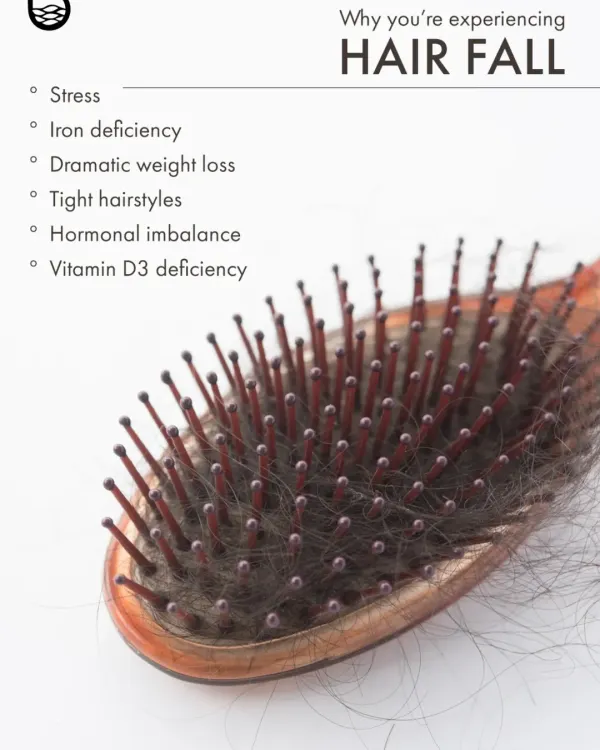
Hair loss is a symptom, not the disease. Before discussing treatments, we identify the exact root cause to ensure you don't waste time or money on the wrong solutions.
In male and female pattern baldness, hair doesn't just fall out, it gradually thins and disappears. Non-surgical treatments like PRP and medications are effective at strengthening existing hair. However, once more than 50% of hair is lost, a transplant is often needed to regain visible density.
Can yoga or shirshasana stop hair fall? Yoga is an excellent supportive practice. It improves blood circulation and reduces stress, which can help. But if your hair fall is due to a medical reason like an iron deficiency, you must treat that cause directly. Yoga alone is not a definitive treatment.
Hair oil does not stop hair fall because it cannot treat the underlying cause. If your hair loss is due to a thyroid issue or nutritional deficiency, how will an oil fix that? Oil can only provide some external nourishment to the hair shaft; it does not reach the root or solve the internal problem.
Your hairdresser or gym trainer may have good intentions, but they are not the right people for medical advice about hair loss. Just as a dietician should plan your diet, a doctor should diagnose your hair loss. Always consult a qualified dermatologist to get a proper treatment plan.
About My Treatment Philosophy: Diagnosis First
Dekhiye, jumping straight to PRP or GFC is often a waste. If your hair loss is due to an underlying iron deficiency or thyroid imbalance, no amount of expensive serum will fix the problem. We always start with a digital trichoscopy to check your follicle status and internal health markers—that is the only way to know if your hair loss is truly reversible or if it needs a different approach.
Why We Don't Start with Treatment
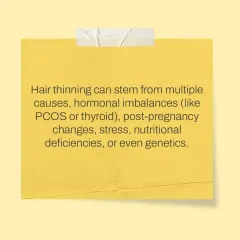
Many patients come to us asking for GFC or PRP because they saw it online. But treating a symptom without knowing the cause is like putting a bandage on a fracture. Hair loss is usually a reflection of internal health—thyroid issues, iron deficiency, or hormonal imbalances. If we ignore these and just inject your scalp, you will be disappointed with the results.
Our Diagnostic Process
At SkinQure, we follow a strict medical protocol:
- Digital Trichoscopy: We use a high-powered microscope to see the actual status of your hair follicles. Are they miniaturized? Are they dead? This tells us immediately if surgery is required or if we can save your hair medically.
- Internal Health Review: We look for nutritional deficiencies. Often, we find that a patient does not need an expensive therapy, but rather a simple, targeted supplement regime.
- Viability Assessment: We distinguish between temporary shedding and permanent loss. If the follicle is dead, we tell you clearly. We do not provide false hope.
Avoiding the Noise
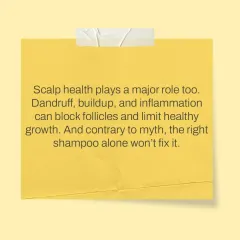
You will see many 'hair experts' on social media pushing oil blends or generic supplements. Remember, hair oil only affects the hair shaft, not the root. If the root cause is internal, surface-level treatments will not stop the process. We encourage you to seek a clinical diagnosis before spending your budget on treatments that aren't tailored to your unique biological profile.
Similar work from other experts
Browse through Curated picks from other experts on mytribe
 6
6
Diagnostic Approach to Hair Loss
Diagnosing the Real Cause of Your Hair Loss
The Science Behind Effective Hair Loss Treatment
 4
4
Understanding Hair Loss: Causes, Diagnosis & Real Solutions


My Evidence-Based Approach to Hair Loss Treatment
Understanding Your Hair Loss: Diagnostic Medical Care
More from Non-Surgical Hair Loss Treatments by Dr. Jangid
More services by Dr. Jangid