Navigating Cybercrime and Digital Law in Noida
Digital threats are evolving, and so are the laws protecting you. Learn how to identify online scams and understand your rights regarding electronic evidence and digital privacy.
A practical warning about the dangers of answering video calls from unknown numbers. I explain how these calls are used for sextortion and blackmail, and I advise on how to stay safe from these online scams.
Did you know recording someone's phone call without their permission is a serious offense? I explain how this violates the right to privacy under Article 21 and can lead to penalties under Section 72 of the IT Act, 2000.
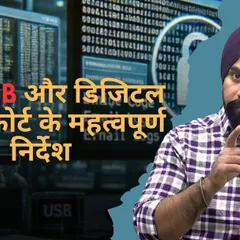
This graphic explains the landmark Supreme Court judgment in Anvar P.V. v. P.K. Basheer. It establishes the legal procedure under Section 65B of the Evidence Act for submitting electronic records like call recordings or messages as evidence in court.
About Navigating Cybercrime and Digital Law
Online scams often start with a simple call from an unknown number. If you are facing harassment, blackmail, or struggling with how to present digital evidence in court, remember that the law provides specific protections. Knowing the nuances of the IT Act and the requirements for electronic evidence can turn a confusing situation into a clear legal strategy.
Protecting Yourself Online
Digital safety starts with awareness. Many cases I handle involve sextortion or blackmail where victims are targeted through unsolicited video calls. My advice is simple: do not answer video calls from numbers not saved in your phone. These interactions are often traps designed to intimidate and extort money.
Your Rights and Privacy
We often record conversations without realizing the legal implications. Under Article 21 of the Constitution, every individual has a right to privacy. Recording someone without their permission is a serious violation that can lead to penalties under Section 72 of the IT Act, 2000. It is vital to understand that this action could result in legal consequences, including fines and potential imprisonment.
Using Electronic Evidence
When presenting electronic records in court—like call recordings, chat transcripts, or emails—you must follow the correct procedure. The Supreme Court, in the landmark judgment of Anvar P.V. v. P.K. Basheer, emphasized the necessity of Section 65B of the Evidence Act. Electronic forms are only admissible as secondary evidence if they are accompanied by the mandatory certification required by law. Without this, your evidence may be rejected, which can weaken your case significantly.
If you find yourself in a cybercrime situation, do not delay. Proper documentation and immediate legal guidance are essential to protect your rights and ensure that your digital records are handled according to the law.
Similar work from other experts
Browse through Curated picks from other experts on mytribe
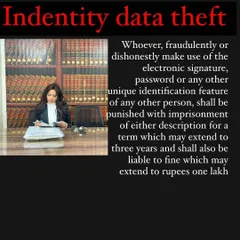
Legal Action Against Cybercrime, Fraud, and Defamation
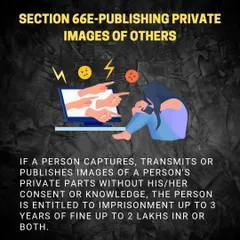
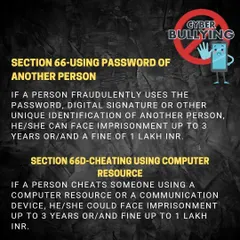
Protecting Your Digital Reputation and Identity
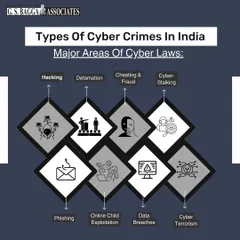
Cyber Law, Digital Fraud & Online Defamation Legal Help
Legal Advice for Cybercrime and Digital Fraud
 7
7
Cyber Crime and Digital Offense Legal Defense
Cyber Crime & Online Fraud Legal Help
More from Criminal Law Services by Ranpal Awana
More services by Ranpal Awana