Protecting Your Digital Reputation and Identity
Online harassment and identity theft can disrupt your life. I help you navigate the IT Act to secure your reputation, remove fake profiles, and hold perpetrators accountable.
Online defamation can ruin your reputation. While a police complaint is an option, it is often slow. I discuss a faster, more effective three-step legal approach, including filing a civil suit to get an interim injunction that forces the removal of defamatory content quickly.
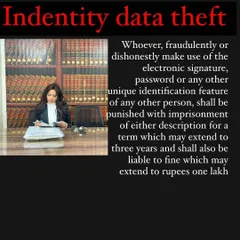
If someone has created a fake social media profile in your name or is misusing your photos, you are a victim of identity theft. I break down what you can do under Section 66 of the IT Act and how to file a complaint to get these fake profiles taken down and hold the culprit accountable.
This post explains Section 66E of the IT Act. Publishing or sharing someone's private images without their consent is a serious crime with penalties including imprisonment and a significant fine. Know your rights against this violation of privacy.
This graphic covers two important laws. Section 66 makes it illegal to fraudulently use someone else's password or digital signature. Section 66D deals with cheating using a computer, which covers many online scams.
This is a real case where a student was jailed for five years for celebrating the Pulwama attack on Facebook. It serves as a strong reminder that promoting enmity between groups online has severe legal consequences under the Indian Penal Code.
In this video, senior advocates and a judge discuss the problem of misleading memes and captions created from court live streams. This highlights the real world impact of online content on the reputation of legal professionals and the justice system.
This post details a real case where a lawyer was jailed under the IT Act and IPC for sending an inappropriate birthday message to a judge. It shows how online actions can cross the line into criminal harassment.
A follow up on the case of the lawyer jailed for sending an "indecent" birthday message. He had downloaded a picture from the judge's social media account, which highlights the legal risks of misusing personal images found online.
About Protecting Your Digital Reputation and Identity
Don't just wait for the police to act when your reputation is under attack. While a police complaint is a necessary first step, it is often a slow process. To stop ongoing defamation or harassment, I often recommend filing a civil suit alongside your complaint to secure an interim injunction. This court order can legally force platforms or individuals to take down the harmful content immediately, rather than waiting for the long wheels of a police investigation to turn.
Dealing with Cyber Defamation
Social media makes it easy for anyone to say anything, but that doesn't make it legal. If you are a victim of cyber defamation, you have options. Most people only think of filing a police complaint, but remember that many defamation cases are bailable offenses, which can slow down police action. I focus on a three-pronged approach: filing the police report, escalating with the Cyber Cell, and pursuing civil remedies for immediate takedowns.
Identity Theft and Fake Profiles
If someone creates a fake profile in your name or uses your photos, you are looking at identity theft under Section 66 of the IT Act. This is not just annoying; it is a crime. Whether it is a fake Instagram account, a WhatsApp number misusing your identity, or emails sent in your name, you must document everything. Take screenshots, save URLs, and ensure you have a digital trail before you file a complaint. I guide you on how to structure this evidence so it is admissible in court.
The Gravity of Private Content
Under Section 66E of the IT Act, capturing or publishing someone's private images without consent is a serious offense with significant penalties, including imprisonment. If you find your private content being shared, do not engage with the perpetrator. Instead, secure the evidence and seek legal counsel immediately to stop the circulation.
My Approach
I believe in practical, step-by-step guidance. Whether we are invoking specific sections of the IPC or the IT Act, the goal is always the same: get the authorities to take cognizance and stop the harm. You do not have to fight this alone.
Similar work from other experts
Browse through Curated picks from other experts on mytribe
Legal Action Against Cybercrime, Fraud, and Defamation
 11
11
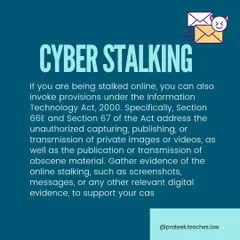
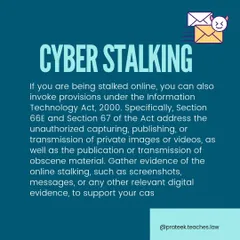
Legal Rights Against Online Stalking & Harassment
Online Legal Safety: Digital Suraksha & Cyber Laws
Cyber Law and Digital Safety Awareness
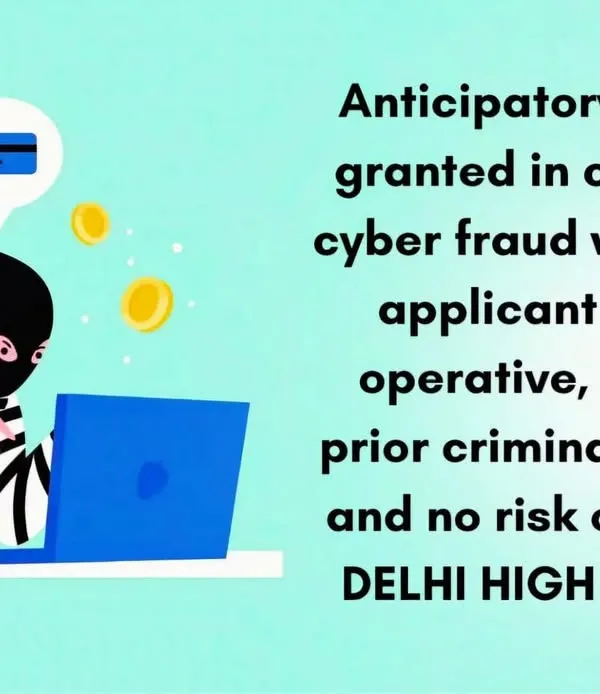 7
7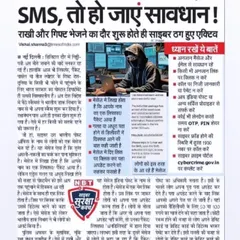
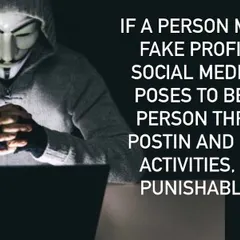
Cyber Crime and Digital Offense Legal Defense
Legal Advice for Cybercrime and Digital Fraud
More from Cyber Law & Online Fraud by Sushant Tripathi
More services by Sushant Tripathi