Understanding Court Procedures: Bail and Warrants
Court procedures like bail and warrants can feel overwhelming. I break down these complex legal processes into simple language, so you know exactly what is happening in your case and how to protect your rights.
This graphic explains the conditions under which a non-bailable warrant can be issued. It is not a routine procedure and should only be used for heinous crimes or when there is a risk of the accused evading the law.
A key Supreme Court ruling clarifies that an accused person cannot produce their own evidence at the stage of charge framing. The magistrate can only consider the material presented by the prosecution as per Section 227 of the CrPC.
This High Court judgment is a significant check on judicial power. It states that a judge cannot add new sections or charges while taking cognizance of a crime under Section 190 of the CrPC.
To combat fraud, the High Court has ordered mandatory biometric verification for all persons providing bail. This measure aims to stop the practice of using fake witnesses to secure bail for criminals.
A High Court ruling confirms an important legal principle: an accused person cannot be declared guilty simply because they were absconding. The prosecution must still prove its case beyond a reasonable doubt.
This image shows Section 243 of the new Bharatiya Nagarik Suraksha Sanhita (BNSS). It explains the legal provision for trying a person for multiple offenses in a single trial if the acts are connected.
About Understanding Court Procedures: Bail and Warrants
Courts often issue warrants when there is a risk of an accused evading the legal process. However, a non-bailable warrant does not automatically mean jail. It is a judicial order that must follow strict guidelines, and you have legal avenues to challenge it or secure anticipatory bail before the police take further action. Understanding the specific grounds for these warrants is essential for preparing a strong defense.
Navigating the Legal System
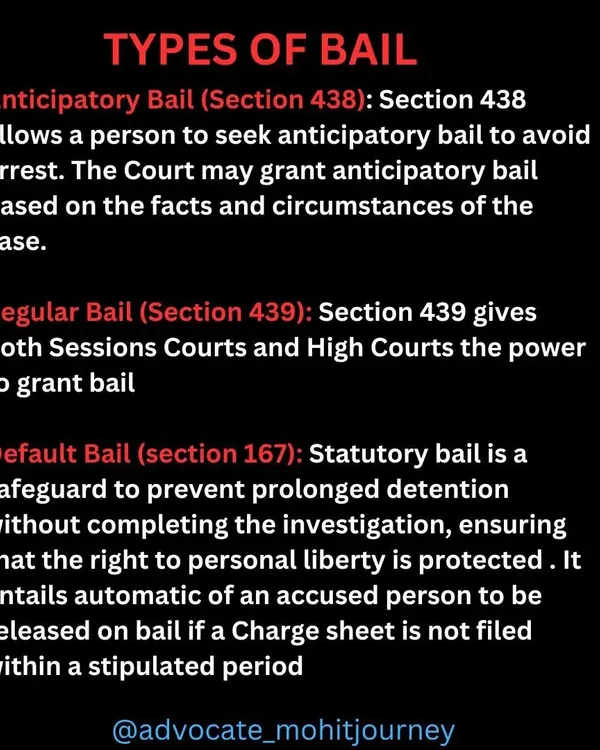
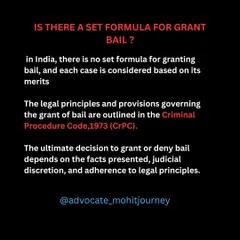
Many people are confused by the difference between regular bail, anticipatory bail, and the various warrants a court might issue. My goal is to demystify these steps so you can focus on your defense rather than living in fear of the process.
Bail and Verification
Recent High Court rulings have introduced strict measures, such as mandatory biometric verification for sureties. This is a critical step to prevent fake witnesses from facilitating bail for criminals. If you are applying for bail, ensure your surety documents are verified and accurate. The court is now closely monitoring bail data to ensure transparency.
Understanding Charges and Evidence
A common mistake defendants make is trying to produce their own evidence at the stage of charge framing. As clarified by Supreme Court rulings, the magistrate only considers material presented by the prosecution at this specific stage. Knowing this prevents you from wasting time on ineffective filings. Additionally, under the new Bharatiya Nagarik Suraksha Sanhita (BNSS), there are clearer provisions for trying multiple connected offenses in a single trial, which can streamline your defense strategy.
My Approach to Your Case
I don't just file papers. Whether it is challenging an unjustified warrant or ensuring your rights are protected during an arrest, I personally review the facts against current High Court and Supreme Court judgments. My process involves:
- Case Assessment: Evaluating the FIR or complaint to see if the warrant was issued based on the correct legal grounds.
- Strategic Planning: Deciding whether to move for bail, quashing of the FIR, or anticipatory bail based on your specific situation.
- Representation: Arguing your case in the Gautam Budh Nagar District Court or Sessions Court with a focus on your liberty.
Law is not just about rules; it is about knowing how to apply them to protect your interests. If you are dealing with police notices, warrants, or the fear of arrest, let us discuss the facts before you take your next step.
Similar work from other experts
Browse through Curated picks from other experts on mytribe
Navigating Criminal Law in India
Know Your Rights: Police & Court Procedures
Practical Bail Strategies and Arrest Protection
 6
6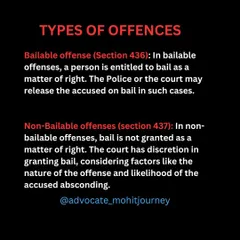
Decoding Bail: Your First Step to Freedom
Understanding the Legal Process: Simple Guide to Court Procedures
Criminal Law Defence: Know Your Legal Rights
More from Criminal Law Services by Ranpal Awana
More services by Ranpal Awana