Cyber Law, Digital Fraud & Online Defamation Legal Help
The digital world moves fast, and so do the threats. From digital arrest scams to online defamation, understand your rights and protect your reputation with clear legal strategy.
"Digital Arrest" is a new type of scam where fraudsters impersonating police or CBI officers try to extort money over the phone. I explain how this scam works, why it has no basis in Indian law, and what you must do to protect yourself from becoming a victim of this online fraud.
This infographic provides an overview of the major types of cyber crimes prevalent in India. It covers everything from hacking, phishing, and data breaches to more personal attacks like cyber-stalking and online defamation, which are covered under our cyber laws.
Digital evidence like emails, text messages, and call records are crucial in modern court cases. I explain the importance of Section 65B of the Indian Evidence Act, which sets the rules for how electronic records must be certified to be admissible as evidence in court.
The Digital Personal Data Protection (DPDP) Act and the Finance Bill 2025 are creating a conflict between the Right to Information (RTI) and the Right to Privacy. This thumbnail points to my detailed analysis of how these new laws could impact government transparency and your data privacy.
Defamation, or harming someone's reputation, can be a civil or criminal offense. I explain the two types, libel (written) and slander (spoken), and the legal remedies available to you, whether you want to seek monetary compensation for damages or pursue criminal charges against the person responsible.
Can a joke or political satire lead to a defamation case? I analyze the legal controversies surrounding comedians like Kunal Kamra and Samay Raina to discuss the fine line between freedom of speech and defamation under Indian digital content laws.
This thumbnail introduces the concept of the "Digital Arrest Scam," a growing form of cyber crime. It serves as a warning and directs you to information on how to identify and protect yourself from these fraudulent online schemes.
This humorous reel shows different ways to handle digital scammers. While entertaining, the core message is serious: do not engage with them or fall for their threats. The best defense is to hang up and report the number.
About Cyber Law, Digital Fraud & Online Defamation
Digital arrests do not exist in the Indian legal system. If you receive a call from someone claiming to be a police, CBI, or customs officer demanding that you turn on your camera or pay a fine, disconnect the call immediately. This is a common fraud. Do not transfer any money to these individuals. Your first step should be to secure all communication logs and screenshots before filing a formal complaint with the Cyber Crime Cell.
In the digital age, legal disputes have moved from physical courts to online platforms, making cyber law one of the most critical practice areas. We help clients navigate complex digital threats through clear, logical legal steps.
Dealing with Cyber Fraud
If you have fallen victim to phishing, hacking, or financial fraud, time is your biggest enemy. We assist in the preservation of digital evidence—crucial for any investigation. Whether it is tracking a transaction or coordinating with law enforcement agencies, we ensure your case is filed with the correct jurisdiction to maximize recovery chances.
Defamation: Libel and Slander
Your reputation is an asset. If you are facing online defamation, we distinguish between civil and criminal remedies. Libel (written defamation on social media, websites, or emails) and Slander (spoken defamation) both have specific legal avenues. We help you draft legal notices, initiate civil suits for damages, or pursue criminal charges against the perpetrator.
Electronic Evidence & Section 65B
Modern court cases often hinge on electronic records like WhatsApp chats, emails, and call recordings. However, these are inadmissible without strict compliance with Section 65B of the Indian Evidence Act. We ensure your digital records are certified and formatted correctly so they hold weight in court proceedings.
Our Approach in Delhi NCR
We operate from our chambers in Rajouri Garden, offering one-on-one consultation to map out a litigation roadmap. We do not use legalese to confuse you; we explain whether your case falls under civil or criminal jurisdiction and provide a realistic cost estimate for your legal recourse.
Similar work from other experts
Browse through Curated picks from other experts on mytribe
 7
7
Cyber Crime and Digital Offense Legal Defense
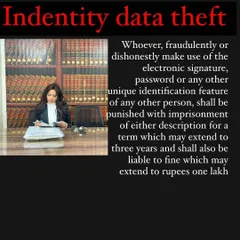
Legal Action Against Cybercrime, Fraud, and Defamation
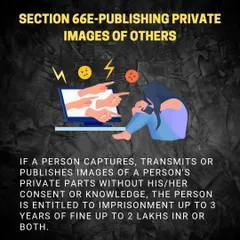
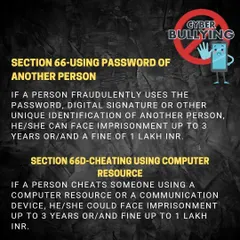
Protecting Your Digital Reputation and Identity
Legal Advice for Cybercrime and Digital Fraud

Cyber Kanoon: Protect Yourself from Online Fraud
Cyber Crime & Online Fraud Legal Help
More from Criminal Defense & Civil Law by G.S. Bagga
More services by G.S. Bagga