Navigating Divorce: Your Path Forward
Divorce is a major life transition, not just a court case. I strip away the myths and legal jargon to show you exactly how the process works, from filing to the final decree.
Many people think divorce is a long, messy fight, but it doesn't have to be. I explain the straightforward process for a mutual consent divorce under Section 13B of the Hindu Marriage Act, from filing a joint petition to the final decree. This is often the smoothest path forward if both parties agree to separate.
There is a myth that all divorce proceedings take years. This is not true. I always suggest mediation as a practical alternative to lengthy court battles. It is a private, collaborative, and less stressful way to resolve disputes and reach a settlement faster.
About Navigating Divorce: Your Path Forward
People often think the six-month cooling-off period in a mutual consent divorce is mandatory, but it is not. If your situation meets specific criteria, we can file a waiver application to accelerate the second motion. This is the kind of practical detail that saves you time and reduces emotional stress—not all lawyers will prioritize this.
Many come to me after spending months in anxiety because they followed advice from online reels. Divorce law is structured, but it is not magic.
The Two Paths
Mutual Consent: This is the most efficient route under Section 13B of the Hindu Marriage Act. Both parties agree on alimony, custody, and asset division. My role here is drafting a watertight Memorandum of Understanding (MOU) to ensure that the terms are clear and that the agreement cannot be reopened later.
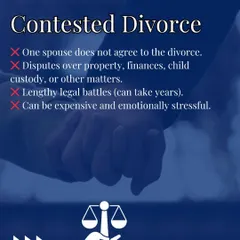
Contested Litigation: When reconciliation is impossible and agreement cannot be reached, we enter the contested space. This involves drafting detailed petitions or written statements to counter allegations of cruelty or desertion. Whether you are filing or defending, our focus is on building a record based on evidence—financial documents, chat logs, and verifiable facts.
Why Mediation Matters
Before we commit to the courtroom, I strongly advise considering mediation. It is private, collaborative, and keeps the decision-making power in your hands rather than the judge's. It is faster than litigation and significantly less damaging to your mental health.
Documentation is Your Foundation
Whatever path you take, documentation is your armor. Whether it is an FIR, a maintenance notice, or property papers, having your records organized is the difference between a dragged-out dispute and a timely resolution. Do not wait until the court date to get your paperwork in order.
Similar work from other experts
Browse through Curated picks from other experts on mytribe
 8
8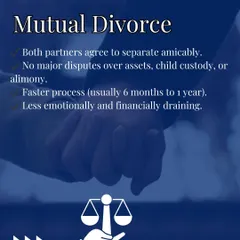
Navigating the Divorce Process in India
Navigating the Divorce Process: From Filing to Decree

Divorce and Separation: Finding a Path Forward
Divorce Legal Advice: Mutual, Contested & Ex-Parte
Navigating the Divorce Process: Mutual and Contested Options


Practical Mediation and Divorce Legal Support
More from Family Law & Matrimonial Disputes by Karan Sharma