Defending Against False Matrimonial Allegations
Legal battles involving cruelty and harassment charges are complex, but the truth is your strongest evidence. Here is how you can navigate these allegations and protect your rights with solid documentation.
It has become a common practice to make vague and unprovable allegations against a husband and his family in matrimonial cases. I explain a Supreme Court ruling that holds this as an abuse of the legal process, which can weaken the wife's case.
This legal update from my office details a Supreme Court judgment where an FIR filed by a wife under Section 498A was dismissed due to vague and unsubstantiated allegations. It reinforces that criminal complaints cannot be used to settle civil claims.
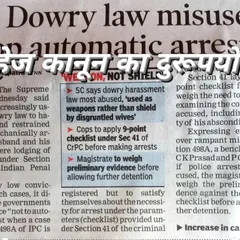
The Supreme Court has cautioned lower courts to ensure that a husband's distant relatives are not over-implicated in exaggerated cases under Section 498A IPC. This image highlights the court's stance against "general and omnibus" allegations.
Being truthful is your strongest asset in court. If a husband can prove that the allegations made against him in various cases are false and fabricated, the court may consider this mental cruelty. This itself can become a valid ground for seeking a divorce.
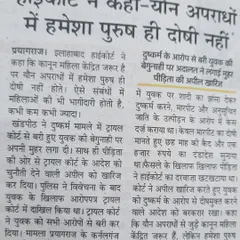
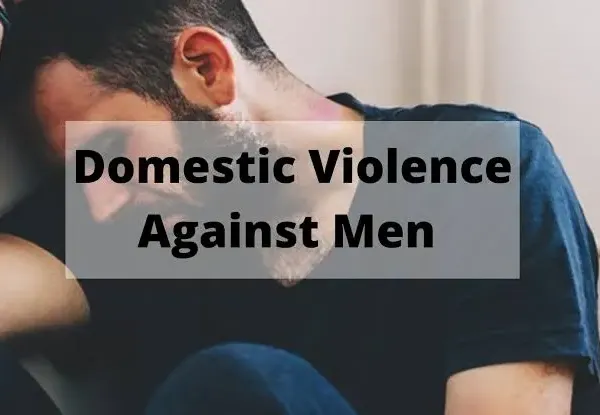
This video discusses a Delhi High Court judgment that acknowledged that husbands can also be victims of cruelty in a marriage. In this specific case, a wife's violent act led to the dismissal of her anticipatory bail application.
I explain the legal presumption under Section 113A of the Indian Evidence Act, where a wife's suicide within seven years of marriage can imply cruelty by the husband. However, I also clarify the Supreme Court's view that strong evidence of prior cruelty is necessary to invoke this section.
Many believe that live-in relationships are free from the legal complexities of marriage. However, the law sees it differently. I explain how the Domestic Violence Act applies to couples in a shared household, even without a marriage certificate, making such cases maintainable in court.
This video covers a landmark Karnataka High Court ruling on the issue of marital rape. While not criminalizing it, the court stated that a serious offense like rape should not be exempted just because of the marital relationship, emphasizing that a wife's complaint must be heard.
About Cruelty & Harassment: Legal Protection for All
Do not let vague and unprovable allegations define your case. Courts increasingly demand cogent evidence for claims under Section 498A or domestic violence laws. If your spouse or partner has filed complaints lacking specific details, that is often where your defense begins. We need to audit these notices and FIRs immediately to identify gaps and build your counter-strategy.
Decoding Matrimonial Litigation
Many clients come to me assuming that an FIR or a legal notice is the end of the road. That is rarely the case. In India, matrimonial law is frequently misused, with vague and omnibus allegations against husbands and their families becoming a common practice. My work focuses on deconstructing these claims using the latest Supreme Court rulings.
The Reality of Section 498A
Section 498A of the IPC is intended to protect victims of genuine dowry harassment. However, when it is used to settle scores, it often lacks the substance required for a conviction. I help clients demonstrate to the court that these criminal complaints are frequently attempts to settle civil disputes. If you have been implicated in a case with no specific timeline, no specific incident, or no supporting evidence, we challenge that lack of substance directly.
Building Your Defense
- Document Audit: We review every notice and FIR received. We look for inconsistencies in dates, claims, and allegations.
- Evidence Compilation: Whether it is chat transcripts, financial records, or recordings, we structure your evidence to counter Section 113A presumptions.
- Legal Strategy: We assess whether you need to file for anticipatory bail, draft a detailed written statement, or initiate a counter-divorce petition based on mental cruelty.
Live-in Relationships and the Law
There is a common misconception that live-in relationships are immune to domestic violence laws. The High Court has clarified that if you reside in a shared household as a couple, you can be subject to the same protections and liabilities as married individuals. If you are facing a notice in this context, it requires a distinct approach that addresses the validity of the relationship and the specific allegations raised.
Every case is different. Whether it involves maintenance claims, domestic violence, or false dowry allegations, the goal is to stop the emotional toll and start a proactive legal defense.
Similar work from other experts
Browse through Curated picks from other experts on mytribe
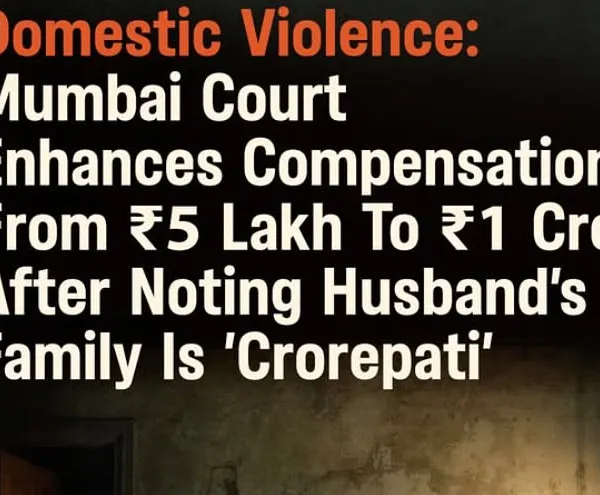 19
19

Domestic Violence and Cruelty Cases Legal Advice Delhi
 9
9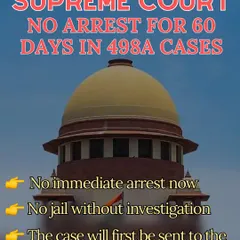

Legal Protection from Domestic Violence and False 498A Cases
Defending Against False Matrimonial Cases
Matrimonial Legal Defense and 498A Support
 9
9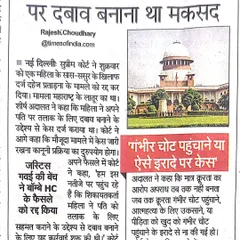
Legal Defense for False 498A and Matrimonial Cases

Defending Your Rights: Legal Help Against False Allegations
More from Family Law & Matrimonial Disputes by Karan Sharma