Navigating the Divorce Process: From Filing to Decree
Ending a marriage is a complex life transition, but the legal pathway does not have to be overwhelming. I guide you through the procedural stages, helping you decide whether mutual consent or contested litigation is the right path to regain your peace.
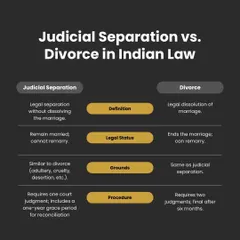
Divorce vs. Judicial Separation: What's the Difference? These terms are not interchangeable. I explain that judicial separation is a temporary, court-ordered separation where reconciliation is still possible, whereas divorce is the final legal dissolution of the marriage.
Understanding Ex-Parte Divorce Decrees. An ex-parte divorce is granted when one spouse is absent from court proceedings. I explain the legality of this decree, how the court ensures the absent party is notified, and its implications on property rights and child custody.
Is Mediation Mandatory in Divorce Proceedings? While often encouraged, mediation is not always required. The Allahabad High Court has ruled that if a marriage has irretrievably broken down, the court should not insist on a mandatory mediation session.
Using a Restitution of Conjugal Rights (RCR) Notice. If your spouse has left the matrimonial home and you wish to save the marriage, an RCR notice is your first step. I explain its benefits, including understanding your spouse's intentions and demonstrating your effort to reconcile to the court.
What is Restitution of Conjugal Rights (RCR)? Section 9 of the Hindu Marriage Act allows you to file a petition if your spouse leaves without a reasonable excuse. This legal notice asks them to return and helps clarify their reasons for leaving the matrimonial home.
How to Avoid Matrimonial Disputes Before They Start. The rise in family court cases shows that disputes are common. I believe many can be avoided through better communication and, if needed, engaging seniors or mediators early to resolve issues before they escalate to court.
About The Divorce Process: From Mediation to Decree
I often see clients rush into filing without a clear strategy. Before you initiate any legal action, we must determine if your case qualifies for mutual consent under Section 13B of the Hindu Marriage Act. This route is typically faster and far less emotionally draining than a contested divorce, and it often allows us to request a waiver of the standard six-month cooling-off period to finalize your decree sooner.
The legal journey to dissolve a marriage varies significantly based on whether both parties are in agreement or if the conflict requires court intervention.
Understanding the Two Paths
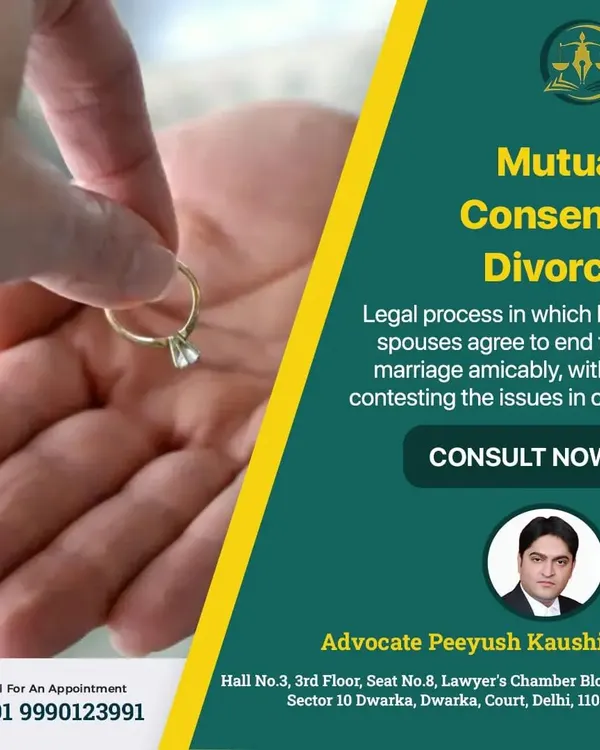
Mutual Consent Divorce: This is the most efficient route. Both parties agree on key terms such as alimony, child custody, and asset division. We draft a comprehensive Memorandum of Understanding (MoU), which acts as the bedrock of your settlement. We then file the first motion, and depending on the court and specific circumstances, we move to the second motion to secure the final decree.
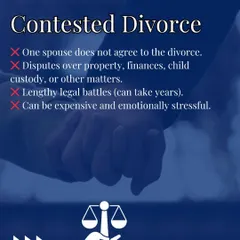
Contested Divorce: If one spouse refuses to consent, we must proceed with a contested petition. This involves filing for divorce on specific grounds like cruelty, desertion, or adultery. My role here is to manage the litigation, represent you in hearings, and defend your rights against potential false counter-claims.
The Role of Mediation
Many clients ask if mediation is mandatory. While the law encourages it to preserve marriages, courts recognize that some relationships have irretrievably broken down. If a marriage is beyond repair, we focus on moving the court to bypass redundant mediation stages.
Why Strategy Matters
Whether you are based in Bengaluru, Delhi, Mumbai, Hyderabad, Pune, or Mangaluru, the court procedure remains rooted in established legal frameworks. However, local court practices can vary. My approach is to ensure you are prepared for every hearing, from statement recording to final decree procurement. If you are dealing with property division or sensitive custody issues, we address these as part of the total settlement to prevent future disputes. You do not just need a lawyer, you need a roadmap that protects your financial interests and mental well-being.
Similar work from other experts
Browse through Curated picks from other experts on mytribe
 8
8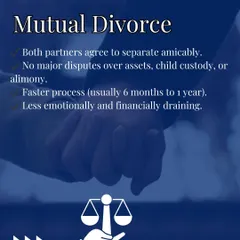
Navigating the Divorce Process in India
 7
7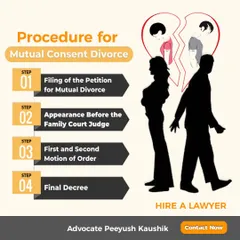


Mutual Consent Divorce: A Smoother Legal Path
Navigating the Divorce Process: Mutual and Contested Options
 6
6

Divorce and Legal Separation Support in Delhi NCR

Divorce and Separation: Finding a Path Forward
Divorce Legal Advice: Mutual, Contested & Ex-Parte
More from Family & Matrimonial Law by Kamaluddin Ahmed
More services by Kamaluddin Ahmed