Legal Advocacy for Women's Rights
I fight to ensure the law works for you, not against you. Whether you are dealing with domestic violence, workplace harassment, or dowry-related claims, I help you assert your rights with clear, fact-based legal strategy.
On NDTV, I discussed the horrific rape and murder of a trainee doctor in Kolkata. The case highlights systemic failures in ensuring workplace safety for women, especially those in demanding professions. I argue for accountability not just for the perpetrator but for the entire system, including the police and hospital administration, that allowed this to happen.
In the private sector, Internal Complaints Committees (ICCs) for sexual harassment are often ineffective because members fear retaliation from management. I share the story of an ICC chairperson who was terminated after finding a senior executive guilty, which prompted me to file a PIL to ensure these committees can function without fear.
Every woman must be aware of the laws designed to protect her. This includes rights against unlawful arrest, protections under the Domestic Violence Act, the anti-dowry law (Section 498A), and laws against stalking and workplace harassment. Knowing your rights is the first step to claiming them.
Outside the Supreme Court with a former law intern after a hearing for our PIL on strengthening Internal Complaints Committees (ICCs) under the PoSH Act. It is a long journey to ensure women are safe at their workplace, but every step in the highest court brings us closer to that goal.
With my Advocate on Record, Munawar Naseem, at the Supreme Court. We appeared to argue for our PIL seeking to make Internal Complaints Committees in the private sector independent and free from corporate pressure. This is crucial for ensuring fair redressal for women facing workplace harassment.
Speaking at Oxford University about the grim reality of dowry in India. Despite the Dowry Prohibition Act of 1961, thousands of women are killed every year. I explain how these murders are often disguised as "accidental kitchen fires" and how police corruption prevents the law from being effective.
The debate on criminalizing marital rape is complex. While I am a fierce advocate for women's rights, as a lawyer, I must also consider the practical challenges of proving such a case within the four walls of a home. The discussion needs to focus on how to establish evidence without creating a law that could be difficult to implement fairly.
The Domestic Violence Act is a powerful tool that gives women the right to live with dignity in their shared household. I explain how the law protects a woman from being thrown out of her home and how police corruption, not the law itself, is often the reason for its misuse.
The statistics are horrifying: every day, 23 married women in India die due to dowry-related violence, often reported as "kitchen fires." I discuss how Section 498A was created to prevent these deaths and argue that misuse of the law by a few should not discredit its importance for countless genuine victims.
A screenshot of a Hindustan Times article covering our PIL to strengthen the probe mechanism for PoSH complaints. I have always said I am the voice of the silenced women, and this legal battle is a testament to that commitment.
About Fighting for Women's Rights
When you are fighting for your dignity, facts are your most powerful weapon. I don't just offer sympathy; I build your case by identifying where the system is failing you. Whether it is ensuring your FIR is filed correctly under the latest statutes or challenging ineffective Internal Complaints Committees (ICCs) at your workplace, my work focuses on holding the authorities accountable.
Building a Strong Case
Legal battles for women often get buried in procedural apathy and police negligence. My practice focuses on cutting through that noise. If you are facing domestic abuse, remember that the Domestic Violence Act gives you the right to live with dignity in your shared household—you cannot simply be thrown out. I have personally fought cases where clients were denied this basic right, and we successfully secured their living space within their in-laws' homes.
Workplace Safety & PoSH Compliance
Sexual harassment at work is a serious violation. I have taken Public Interest Litigations (PILs) to the Supreme Court specifically to highlight how Internal Complaints Committees (ICCs) are often compromised by corporate pressure. If you are a member of an ICC or a victim seeking redressal, I help you navigate the power dynamics that companies often use to silence complaints. My goal is to ensure these committees function independently and without fear of retaliation.
Tackling Dowry and Harassment
Section 498A and the Dowry Prohibition Act are critical tools, yet they are often undermined by corruption. When cases of 'kitchen fires' or unexplained deaths are dismissed as accidents, I work to re-establish the facts. It is not enough to have a law; you need to know how to use it, how to document the harassment, and how to track the investigation so it doesn't get derailed.
How We Work Together
I do not believe in endless delays or 'taarikh pe taarikh.' My team and I focus on:
- Case Merit Assessment: We review your FIRs and notices to determine if your case is winnable under current IPC or BNS provisions.
- Reality Checks: I provide a blunt, honest assessment of timelines and success probability. You deserve facts, not false hope.
- Statutory Rigor: Every document we draft is backed by current precedents and data, making it difficult for the opposition to dismiss your claims.
Similar work from other experts
Browse through Curated picks from other experts on mytribe
Legal Support for Protecting Women's Rights



Championing Women's Rights and Legal Support
 12
12

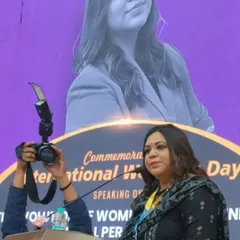
Advocacy for Women's Rights and Legal Safety

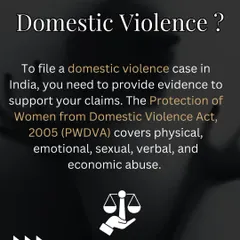
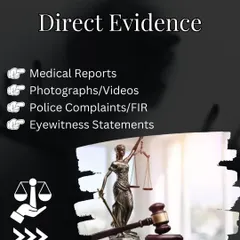
Legal Help and Protection Against Domestic Violence in Delhi
Advocating for Women: Legal Rights & Equitable Justice
 6
6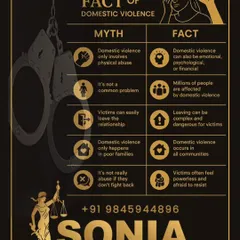


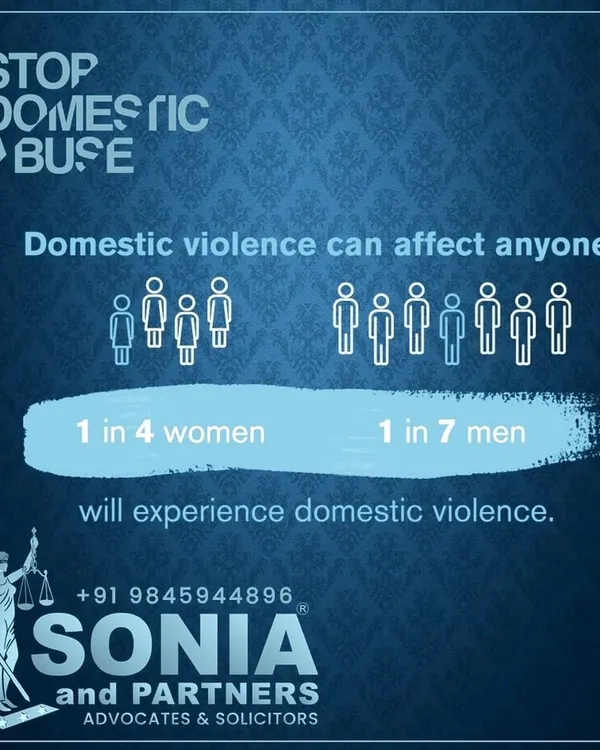
Domestic Violence Legal Defense & Support
More from Litigation & Dispute Resolution by Abha Singh
More services by Abha Singh