Behind the Lens: My Authentic Photography Process
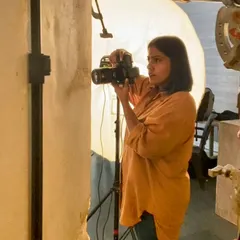
I don't just click people, I shoot 'hoomans'. Here is the raw process behind the cinematic mood, lighting, and natural edits I use to create images that actually feel real.
In this video, I break down why over-editing can ruin a good portrait. I show my approach to natural retouching in Photoshop to prove that "real" is always better.
Think you can't get great photos at night? Watch this. I demonstrate my technique for using off-camera flash to achieve dramatic, professional-quality portraits in complete darkness.
This reel gives a peek at the "moment" versus the final "photo." It shows how I direct models and compose a shot in a real-world environment to create a polished editorial image.
A quick look at my essential gear, the Sony A7III and Tamron 28-75mm lens. The video then transitions into a fast-paced showcase of the kind of images this setup helps me create.
From a black and white behind-the-scenes clip to the final, color-graded golden hour shots. This video shows the process and the beautiful results of a rooftop saree shoot.
A simple demonstration of "What You See" versus "What I Get." This shows how I use my lens and perspective to frame a subject and create a compelling set of portfolio images from a basic location.
This reel is all about the feeling of creating, the "photos lene ki sensation." It's a compilation of final shots that represent my passion for capturing authentic moments.
About Behind the Lens: My Process
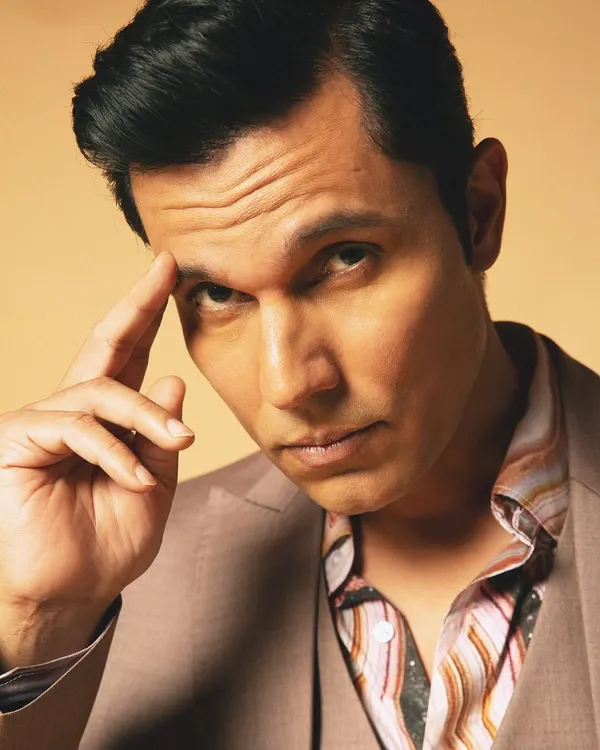
People often ask why my portraits look different. It comes down to one thing, I stop caring about perfection. Whether I am shooting a saree editorial on a rooftop or a street portrait in Colaba, I am looking for texture, real skin, and the mood created by the available light. If I use a flash, it is to define a character, not to hide flaws. You will not find heavy airbrushing or plastic-looking filters in your final gallery because I believe a photo should look like the person in it.
The Technical Side of 'Real'
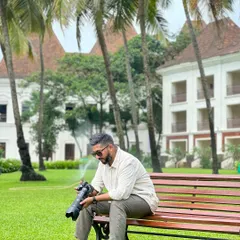
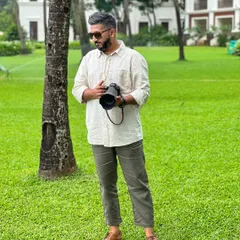
I shoot primarily on the Sony A7III paired with a Tamron 28-75mm lens. This combo gives me the sharpness for editorial work and the versatility to handle low-light environments in Mumbai, from Dadar Market to quiet home studios. When you see those high-contrast, moody portraits, that is usually a mix of golden hour natural light and a precise off-camera flash setup. I do not rely on heavy post-processing to fix mistakes made on set.
Why I Avoid Heavy Retouching
The industry standard for model portfolios often involves aggressive frequency separation that makes skin look like plastic. I do the opposite. I use Photoshop for essential color grading, fabric fall adjustments, and lighting, but I leave your skin texture exactly as it is. Real pores, subtle imperfections, and actual skin tone are what make a portrait authentic.
My Directing Style
The biggest bottleneck in a shoot is stiffness. You will see me talking, moving, and sometimes playing music to break the awkwardness. We do not do 'plastic posing' here. I focus on micro-expressions and body language. If we are shooting a cinematic saree editorial, we are focusing on movement and mood. If it is a street portrait, we are capturing the interaction between you and the city. My goal is to get you comfortable enough to forget the camera is even there.
Similar work from other experts
Browse through Curated picks from other experts on mytribe
Behind the Lens: My Portrait Photography Process
 7
7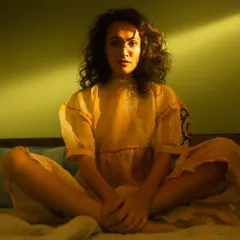

Professional Portrait Photography
 5
5
Behind the Scenes of My Photography
 27
27
Behind the Scenes of My Photography Process
Behind the Scenes: The Magic of a Mumbai Studio Shoot
Behind the Scenes: The Making of Your Portrait
More from Portrait & Fashion Photography by Aakash